







Introduction:Want to explore high-quality Panamanian coffees beyond Geisha? Diamond Mountain is a refined flagship offering from Finca La Esmeralda, based on the Catuai variety, combining sun-dried processing with high-altitude cultivation to deliver balanced acidity and sweetness with a deep aftertaste. This article will guide you through the variety’s origins, farm environment, processing details, roasting, and V60 pour over recommendations, helping you fully appreciate this premium coffee with rich flavor layers.
In the global specialty coffee landscape, Panama has long secured its place with consistently high-quality output. When people think of Panama, many immediately think of the renowned Geisha, but in fact, another exceptional and more balanced offering from Finca La Esmeralda is Diamond Mountain. This coffee is primarily the Catuai variety, grown at the famous Jaramillo and Cañas Verdes farms at altitudes between 1400 and 1700 meters, and certified by the Rainforest Alliance. It's an excellent choice for coffee lovers seeking balanced flavors and reliable quality.
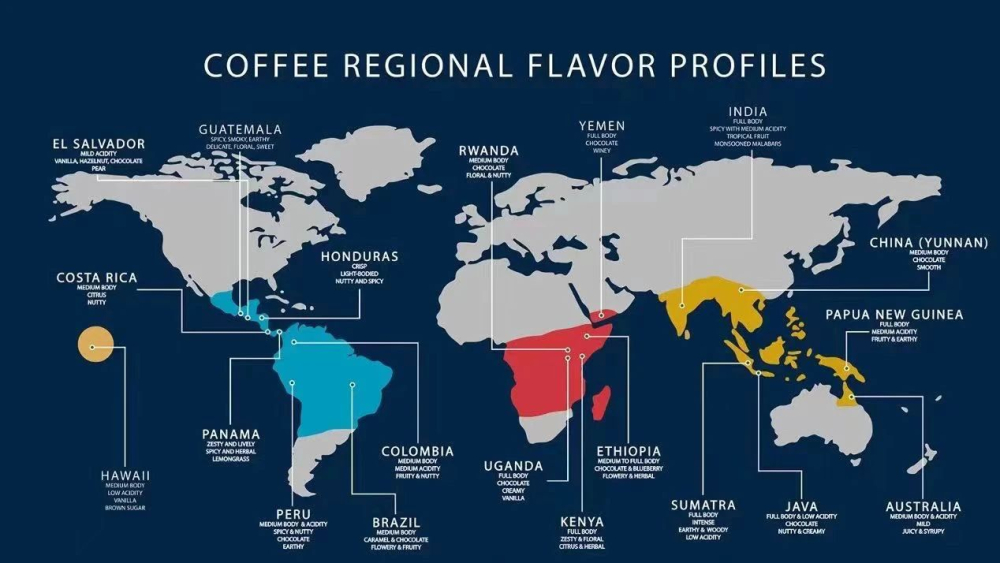
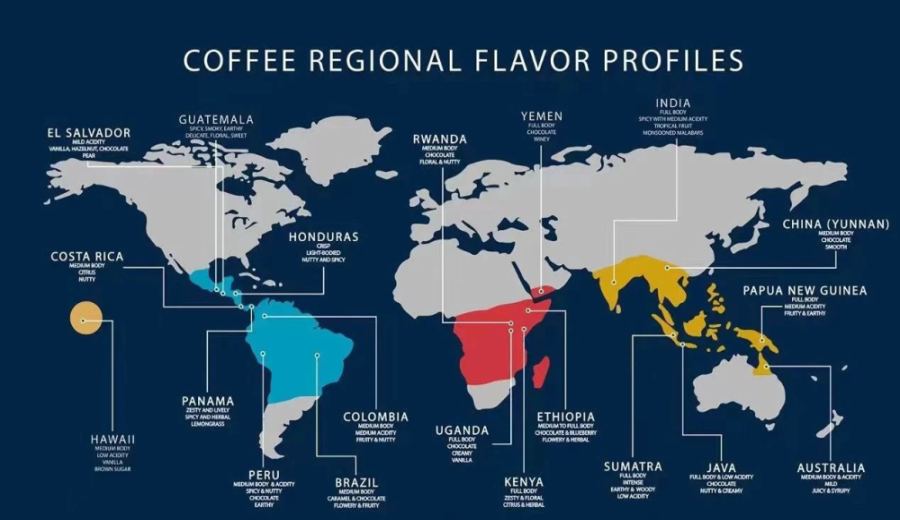
To truly understand Diamond Mountain, we must start with the development history of Panamanian coffee. Global coffee cultivation is roughly divided into three major regions: Central and South America, Africa, and Asia. Among them, Panama, along with countries like Colombia and Costa Rica, is one of the key producing areas in the Americas. As early as 1780, Europeans introduced the first Typica seedlings to Panama, marking the beginning of local coffee cultivation.
During the construction of the Panama Canal, a large number of European technical and intellectual elites flocked to the area. After the canal was completed, many engineers chose to settle in the Boquete region due to its pleasant highland climate and began managing coffee farms, indirectly contributing to the early formation of Panama’s coffee industry. Initially, locals were both unfamiliar with and fascinated by this beverage, and soon coffee trees spread across Panama.
However, what truly put Panamanian coffee on the world map wasn’t the early-introduced Typica, but Geisha from Ethiopia. Geisha was introduced to Panama in 1970, but due to its low yield, disease susceptibility, and tall plant stature, it was initially only used as a windbreak. It wasn’t until 2004 that Finca La Esmeralda planted Geisha separately, carefully cultivated it, and won the Best of Panama (BOP) competition that year, propelling the variety to overnight fame and making it a legend in the specialty coffee world.
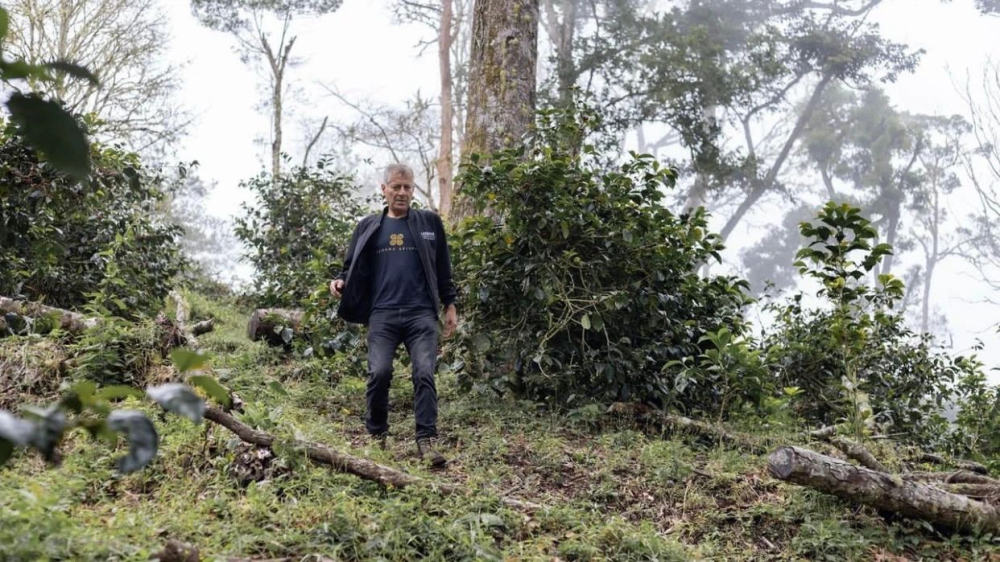
But the star of today’s story isn’t Geisha—it’s another representative brand under Finca La Esmeralda: Diamond Mountain. Diamond Mountain belongs to the Catuai variety series, alongside the Geisha series (Red Label, Green Label, and Blue Label). Catuai has a long planting history in Panama, favored by coffee farmers and roasters alike for its stable yield, strong disease resistance, and clean, bright flavor profile.
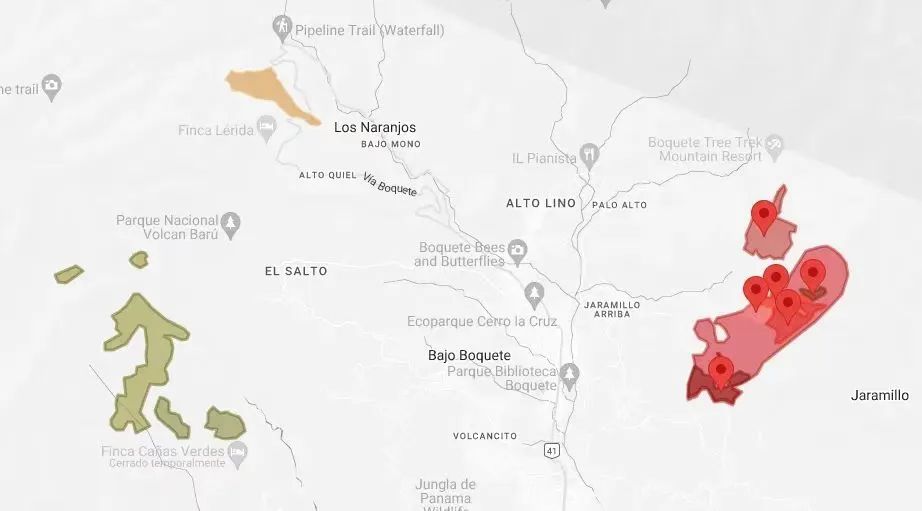
The beans of Diamond Mountain come from two of the most iconic high-altitude farms under Finca La Esmeralda: Jaramillo and Cañas Verdes. These farms are located at elevations of approximately 1400 to 1700 meters, with cool climates and significant day-night temperature differences—ideal conditions for growing specialty coffee. Additionally, Diamond Mountain coffee is certified as environmentally friendly and Rainforest Alliance certified, with a focus on sustainability and ecological protection during cultivation.

The Jaramillo farm receives an annual rainfall of about 4000 mm, with average daytime temperatures of 19-25°C and nighttime temperatures of 11-15°C, and an average altitude of 1600-1700 meters. This is also the birthplace of the 2004 BOP champion Geisha. The farm is further divided into several small plots, such as Mario, Noria, Reina, Bosque, and Buenos Aires, each with unique microclimates that may contribute to different flavor nuances.
The Cañas Verdes farm is even higher, at around 1600-1800 meters, with an annual rainfall of about 3500 mm and similar day-night temperature variations. This farm is divided into nine small plots, including Lino, Coronado, Fundador, Leon, Montaña, Trapiche, Chinta, Cabaña, and Tumaco, each with distinct microclimates and soil conditions that lay the foundation for the diversity of coffee flavors.
Diamond Mountain uses the Catuai variety, which is a hybrid of Yellow Caturra and the Mundo Novo variety, originally named H-2077. The name Catuai comes from the Guaraní language, meaning “very good.” It boasts advantages such as high yield, strong disease resistance, and clear, bright flavors. Compared to Bourbon, Catuai plants are shorter, allowing for higher planting density, making it a common choice for farmers seeking a balance of efficiency and quality.
The typical flavor characteristics of Catuai include bright citrus acidity, a solid body, and the sweet aftertaste characteristic of the Bourbon family—all of which are vividly expressed in Diamond Mountain coffee. Moreover, the stability of Catuai allows coffee farmers to achieve more reliable harvests in the face of climate change.
Another highlight of Diamond Mountain coffee is Finca La Esmeralda’s mature sun-dried processing method. After harvesting, the coffee cherries are not immediately depulped but are instead placed directly on concrete patios to sun-dry. This allows the pulp and seeds to remain in close contact during drying, enabling the coffee beans to absorb more fruit sugars and fermentation aromas, resulting in a rich fruity flavor profile.
The sun-drying process usually lasts 3 to 5 days, around 8 hours per day, depending on weather conditions. Once the cherries reach the appropriate level of dryness, they are transferred to a Guardiola dryer for 72 hours of rotary drying to ensure stable moisture content and avoid the risk of over-fermentation. Only after drying is the outer pulp mechanically removed. Notably, the dried coffee beans are then rested in nylon bags for 30 to 45 days for a so-called “reposo” maturation period, which helps stabilize and round out the flavors.
For roasting and extraction, it is recommended to use a medium-fine grind (80% passing rate through a Chinese standard 20-mesh sieve) to showcase the multi-layered flavors of Diamond Mountain. When using a V60 filter, it is suggested to maintain a water temperature of 90-91°C, with a coffee-to-water ratio of 1:15 and about 15 grams of coffee. Specifically, a three-stage extraction method can be employed: start with a 30-second bloom using 30 grams of water, then pour in a slow spiral to reach 125 grams for the first pour, wait for the water level to drop, then pour to 225 grams, and finally remove the filter just before the water level exposes the coffee bed, with a total extraction time of about 2 minutes.
These parameters help fully highlight Diamond Mountain’s bright citrus acidity, honey-like sweetness, and the black cocoa and berry notes in the aftertaste. The overall flavor is balanced and layered, making it an excellent choice for coffee enthusiasts who enjoy the flavor profile of medium roasts.
The above content is compiled by CoffeeHunters, a coffee news website.


