







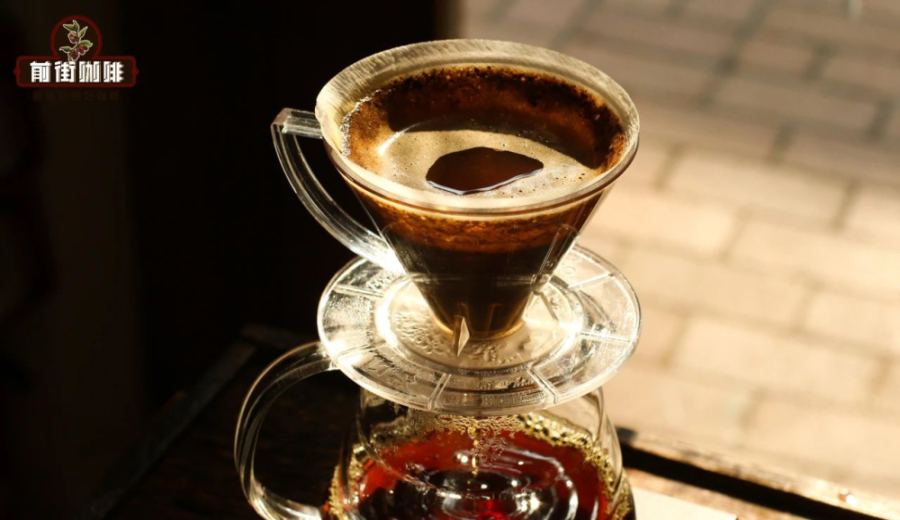
Introduction:The essence of pour over coffee lies in precisely controlling the extraction rhythm through pulsed pouring, unlocking the multi-layered flavors of coffee beans. This article delves into the core logic of the three-pour method, covering everything from grind-to-water ratio calculations and blooming techniques to water distribution across each stage, providing a practical guide suitable for both beginners and advanced enthusiasts. It also includes key details like filter cone selection and grind size adjustments to help you consistently brew balanced and rich coffee flavors.
The allure of pour over coffee lies in its ability to delicately adjust extraction conditions at each stage through pulsed pouring, allowing the coffee to showcase layered changes in bright acidity, sweet fruitiness, and mellow aftertaste. This article will systematically break down the operational principles of the three-pour method, from basic equipment preparation and grind-to-water ratio formulas to the scientific distribution and practical application of water volume at each stage, guiding you to master the key techniques for stable extraction.
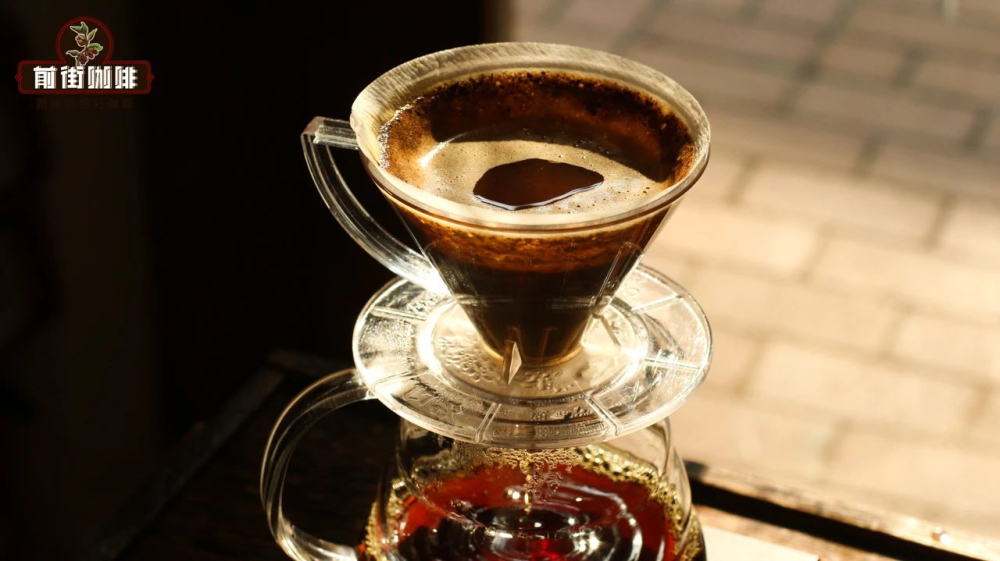
The essence of pour over brewing is dissolving the soluble flavor compounds within coffee beans into water through the contact of hot water and ground coffee. This process is influenced by multiple factors: from the roast level and grind size of the coffee beans to the pouring temperature, water flow rate, and even the degassing state of the coffee bed—all can alter the final flavor profile. Beginners are advised to prepare a basic toolkit, including a gooseneck kettle (for precise water flow control), a V60 or Kalita Wave filter cone (for even drainage), a high-precision digital scale (for accurate grind-to-water ratio measurement), a thermometer (to monitor water temperature), and high-quality filter paper that filters out odors.
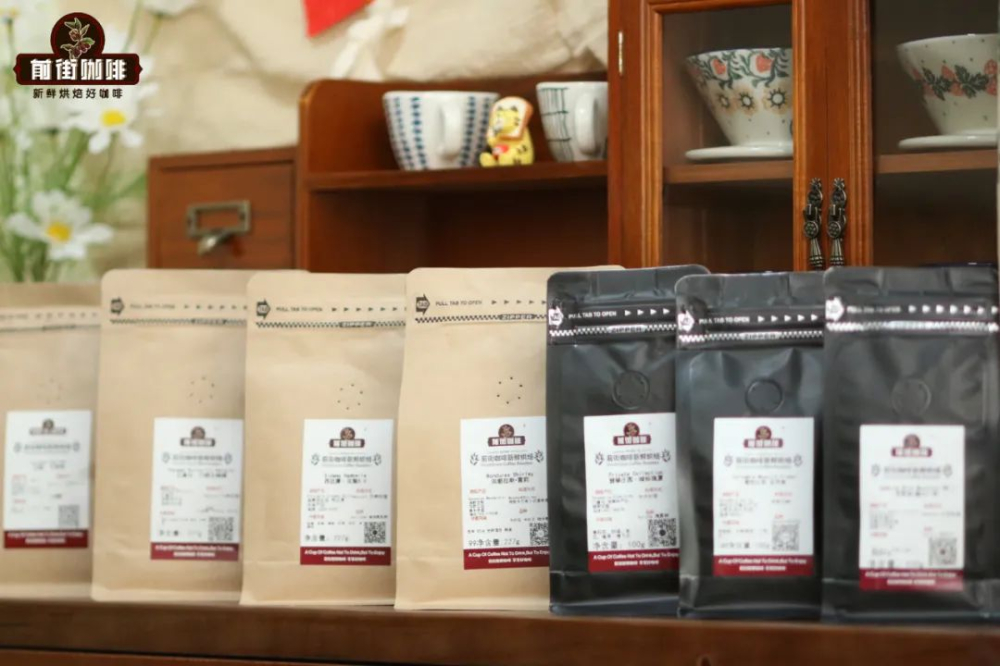
The choice of coffee beans is equally crucial. It’s recommended to select freshly roasted beans aged 7 to 21 days, when the internal carbon dioxide has been moderately released and the flavors are at their peak. If purchasing pre-packaged beans, check the roast date and avoid using beans older than a month—such beans not only lose flavor but may also develop a cardboard-like taste due to oxidation, negatively impacting extraction performance.
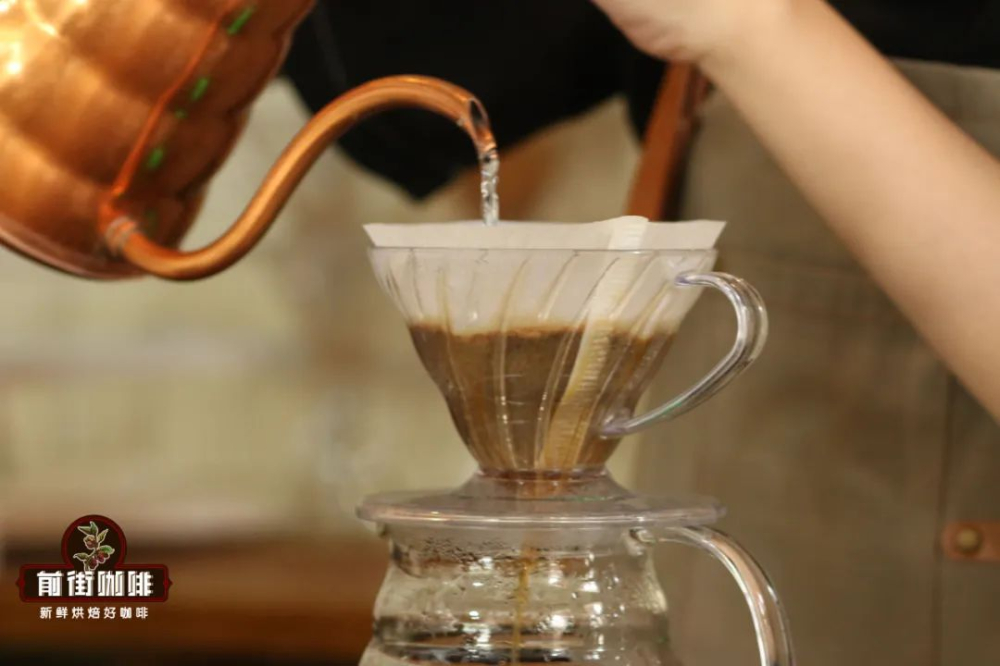
The so-called "grind-to-water ratio" refers to the weight ratio of coffee grounds to the total water poured, directly determining the coffee’s concentration and extraction efficiency. Common ranges fall between 1:15 and 1:18: for example, using 15 grams of coffee grounds, a 1:15 ratio requires 225 milliliters of water, yielding a rich and bold taste; adjusting to 1:17 increases the total water to 255 milliliters, resulting in a cleaner but less complex flavor. Practical tests show that 1:15 to 1:16 is the golden range for most coffee beans, ensuring sufficient extraction yield (releasing 18%-22% of soluble substances) while minimizing the risk of over-extraction bitterness.
Why is pulsed pouring necessary? This relates closely to the release characteristics of coffee flavor compounds. High-temperature hot water first dissolves acidic compounds (like citric acid and malic acid), followed by sweetness-related sugars and caramelization products, and finally the large molecules prone to bitterness and astringency (like phenols). Pulsed pouring allows for staged extraction of different flavor characteristics by controlling the water volume, flow intensity, and immersion time at each stage, avoiding imbalance caused by over-extraction in a single phase.
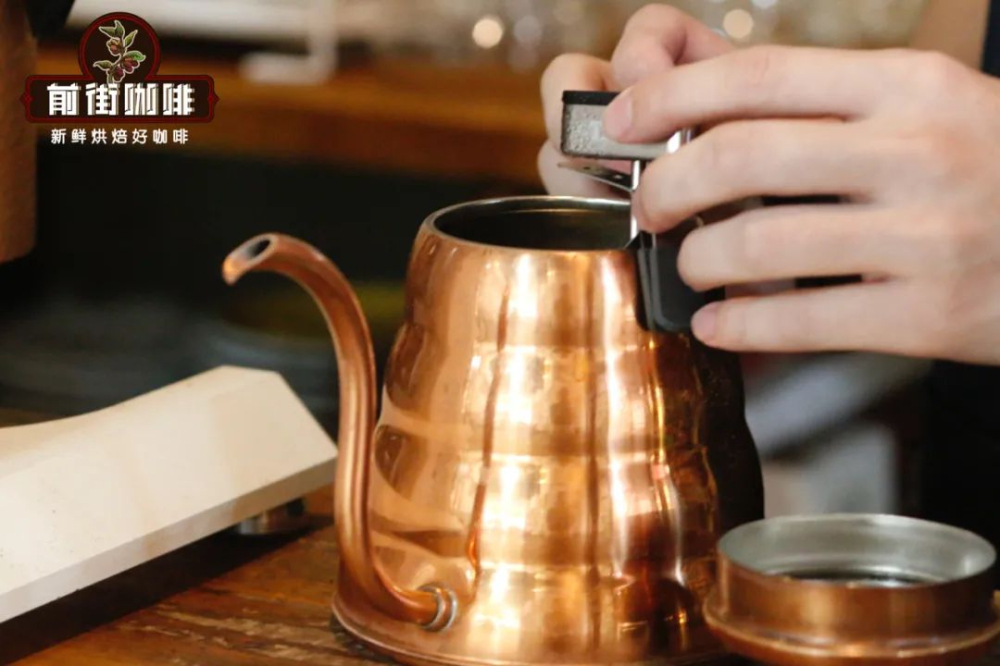
The so-called "three-pour method" divides the entire extraction process into three stages: blooming (pre-wetting), the second stage of main extraction, and the third stage of finishing. Blooming is the critical first step: pour twice the weight of the coffee grounds in water (e.g., 30 milliliters for 15 grams of grounds), let it sit for 30 seconds to allow the coffee bed to fully expand and release internal carbon dioxide. This step not only activates the extraction surface of the coffee grounds but also prevents gas from blocking the water flow during subsequent pours, which could lead to uneven extraction. Many beginners overlook the importance of blooming, resulting in flat-tasting coffee lacking bright acidity.
When entering the actual pouring stage, the distribution of water volume across the three stages should be adjusted based on the total coffee weight and target concentration. For example, with 15 grams of coffee grounds and a total water volume of 225 milliliters, a practical recommendation is 30 milliliters for the first blooming stage, 95 milliliters (about 42% of the total) for the second stage, and 100 milliliters (about 44%) for the third stage. The logic behind this distribution is: the second stage requires sufficient water to lift the coffee bed, promoting even water flow and extraction; the third stage uses a finer stream to finely adjust, avoiding over-extraction of impurities in the tail end.
During actual operation, it’s recommended to use a medium-fine grind (e.g., 78% passing through a Chinese standard 20-mesh sieve, roughly the coarseness of fine sugar), paired with 92°C-93°C hot water (suitable for light roasts; for dark roasts, reduce to 90°C). For the first blooming stage, pour slowly in small circles from the center of the filter cone to ensure all coffee grounds are evenly wetted—avoid directly hitting the center of the coffee bed to prevent localized over-extraction. After 30 seconds of blooming, switch to a slightly larger stream for the second stage, steadily pouring 95 milliliters with the water flowing vertically to avoid side impacts. At this point, the coffee bed will gradually expand and release a wealth of aromatic compounds. When the liquid level drops to half the height of the filter cone, begin the third stage—use an even finer stream in small circles, controlling the water volume to 100 milliliters, focusing on maintaining stable flow of the coffee bed to prevent the grounds from being washed away and leading to under-extraction.
The overall extraction time is recommended to be controlled between 2 minutes and 2 minutes 15 seconds; too long risks over-extraction, while too short may leave flavors underdeveloped. It’s important to note that the water volume for each stage is not absolute and can be flexibly adjusted based on the characteristics of the coffee beans: for example, light-roasted Ethiopian beans may benefit from increased second-stage water to enhance sweetness, while dark-roasted Indonesian beans may require shortening the third stage to avoid excessive bitterness. Beginners are advised to tweak a single variable at a time (such as grind size, water temperature, or water volume for a specific stage), record the changes, and compare flavor differences to gradually build a personal extraction parameter library.
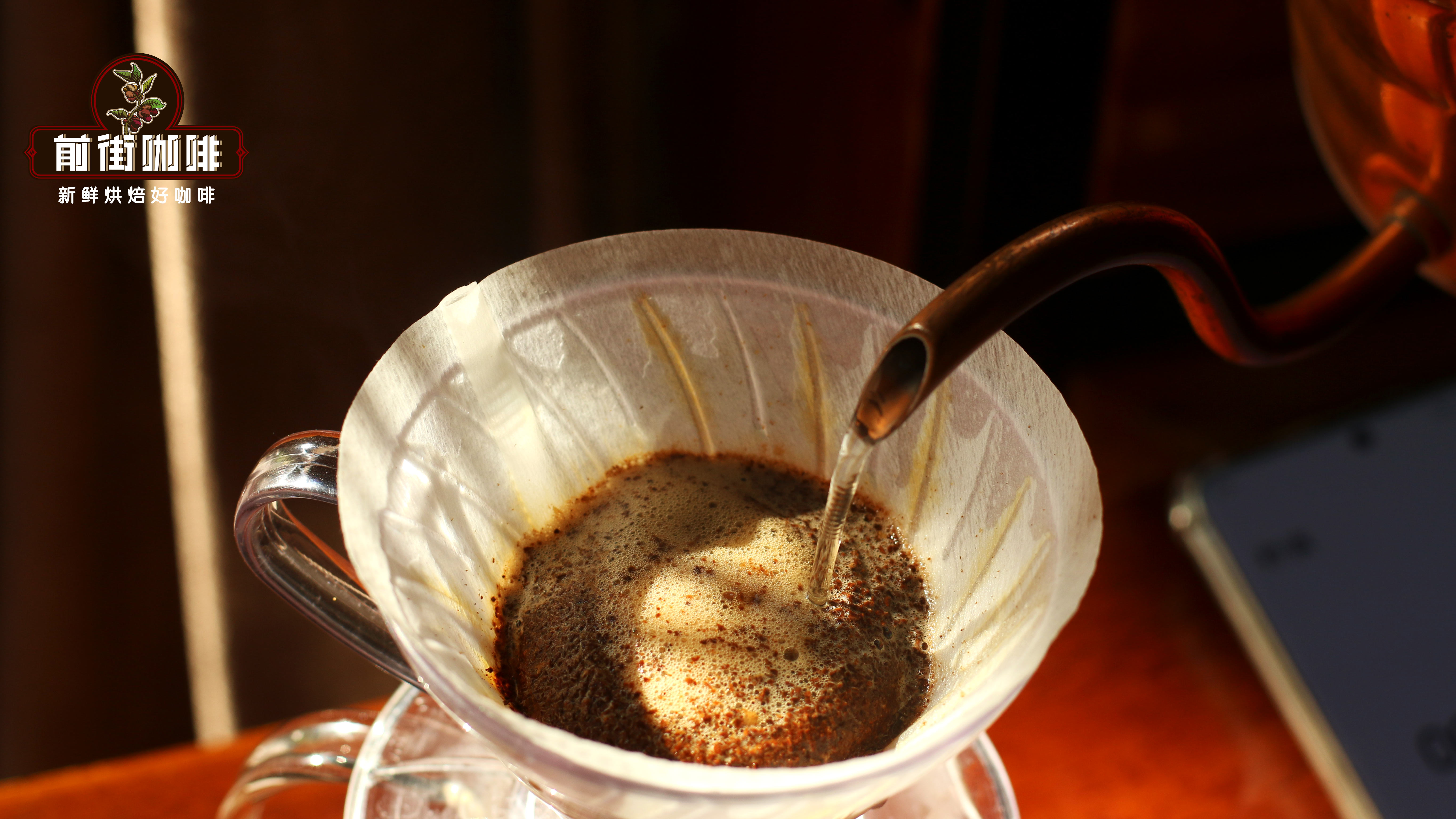
The choice of filter cone also influences pouring strategy. The spiral ridges of the V60 accelerate drainage, making it ideal for those seeking clear acidity and distinct flavor profiles; if you prefer a mellower taste, consider the Kalita Wave flat-bottomed filter cone, whose multi-hole structure extends extraction time for a rounder flavor. Additionally, the digital scale isn’t just for measuring grind-to-water ratios—it can also help judge pouring speed through real-time weight changes. Ideally, the 95 milliliters for the second stage should be poured within about 30 seconds, while the 100 milliliters for the third stage should be completed within 45 seconds to 1 minute.

In summary, the core of the three-pour method lies in "segmented control and precise adjustment." By activating the coffee bed through blooming, releasing the main body of flavors in the second-stage main extraction, and fine-tuning the aftertaste in the third-stage finish, combined with appropriate grind size, water temperature, and water flow techniques, even beginners can consistently brew coffee with layers of flavor. Remember, there’s no absolutely correct parameter for pour over—only a process of continuous practice and adjustment. Enjoying the flavor surprises brought by each attempt is the true joy of coffee exploration.
The above content is compiled by CoffeeHunters, a coffee news website.


