







Introduction:Take an in-depth journey through five major coffee regions of Colombia—Huila, Cauca, Nariño, Medellín, and Santander—to explore how altitude and climate influence coffee flavor profiles, as well as the most representative processing methods and cupping characteristics of each region. Not only does this provide detailed introductions to the regions, but it also includes professional roasting and pour over recommendations to help you map out your own personalized coffee flavor journey.
Benefiting from its dual geographical advantage of bordering both the Atlantic and Pacific Oceans, Colombia is not only one of the world’s leading coffee exporters, but also renowned for its consistent quality and diverse flavors. Its coffee-growing areas are primarily concentrated in the Eastern and Central Cordillera ranges of the Andes Mountains, as well as high-altitude regions in the south, including five premium coffee-producing regions: Huila, Cauca, Nariño, Medellín, and Santander. Due to differences in altitude, climate, and microclimates, these regions produce coffee with distinct and unique flavor profiles, making them key to understanding Colombian coffee.
Let’s begin withMedellín, a classic coffee-producing region located in northern Colombia. It is known for its medium acidity, full body, and high sweetness, making it ideal for coffee lovers who prefer balanced flavors. Medellín coffee beans are typically plump, aromatic, and feature a well-balanced acidity and sweetness. They are especially well-suited for medium-dark to dark roasts, which can bring out rich caramel and nutty tones. It is worth noting that Medellín beans exported by the FNC association often exhibit superior uniformity and cleanliness, and are consequently priced higher, making them a preferred choice for many roasters.

Next isSantander, located in northern Colombia. As one of the country’s oldest coffee-growing regions, it currently accounts for only about 5% of national production, yet holds notable flavor potential. The average growing altitude here is around 1400–1600 meters, and the regional climate contributes to distinctive herbal aromas and lingering aftertastes. According to cupping data from a well-known coffee website, coffees from this region often feature a strong flavor body with a long finish, and special processing methods can further highlight their complexity. For instance, anaerobic double enzymatic washed beans from this area frequently showcase an enticing combination of peach, rose, and chocolate ganache notes—vibrant like fresh peach juice, with balanced acidity and sweetness and a silky toffee-like texture.
Moving further south, we arrive atHuila, which accounts for 12% of national coffee production and is one of Colombia’s most representative specialty coffee regions. It consists of multiple micro-regions, some of which even have their own brand identities. Huila coffee generally exhibits pronounced notes of nuts, dark chocolate, and caramel, with soft acidity and a round, full-bodied mouthfeel. Most Huila coffees are processed using the washed method to enhance clarity and cleanliness in flavor, making them a top daily pick among many baristas for specialty beans.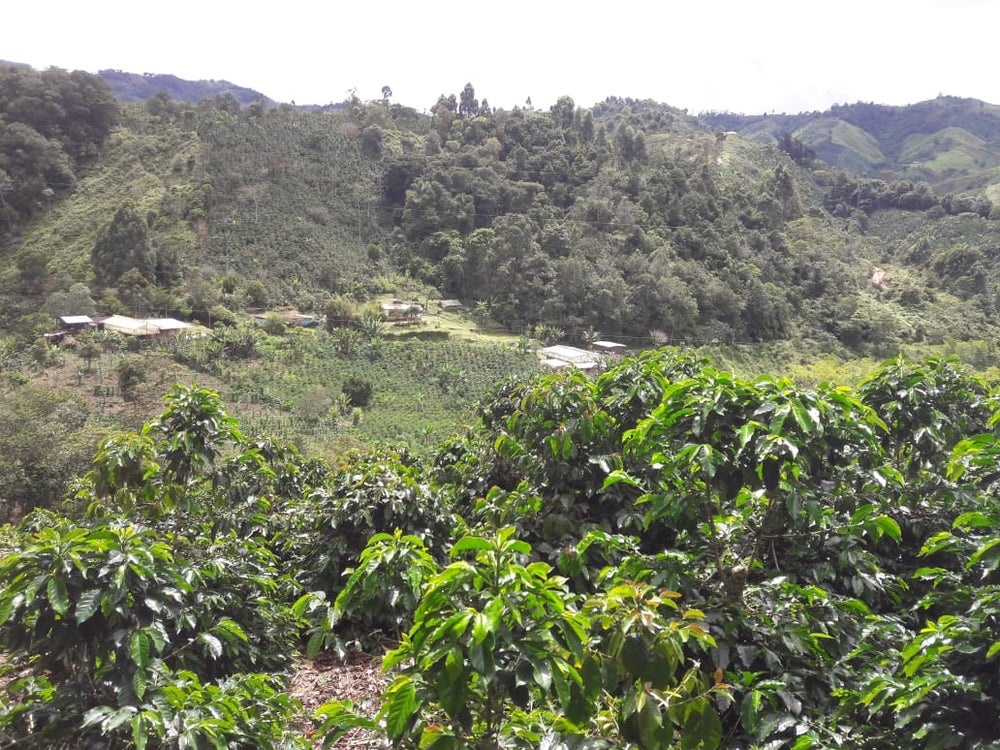
Another noteworthy region isCauca, situated in southwestern Colombia. With an average altitude of 1758 meters—some areas even exceeding 2100 meters—it is an important zone for Colombia’s coffee origin certification. The standout feature of Cauca is its significant diurnal temperature variation, which can reach up to 11°C. Coupled with the high altitude, this slows down the coffee plants’ growth rate, aiding nutrient accumulation and resulting in superior acidity and sweetness. Coffees from this region often display bright lemon acidity, red berry notes, and a unique tea-like aftertaste, appealing to those who enjoy refreshing acidity and complex flavor profiles.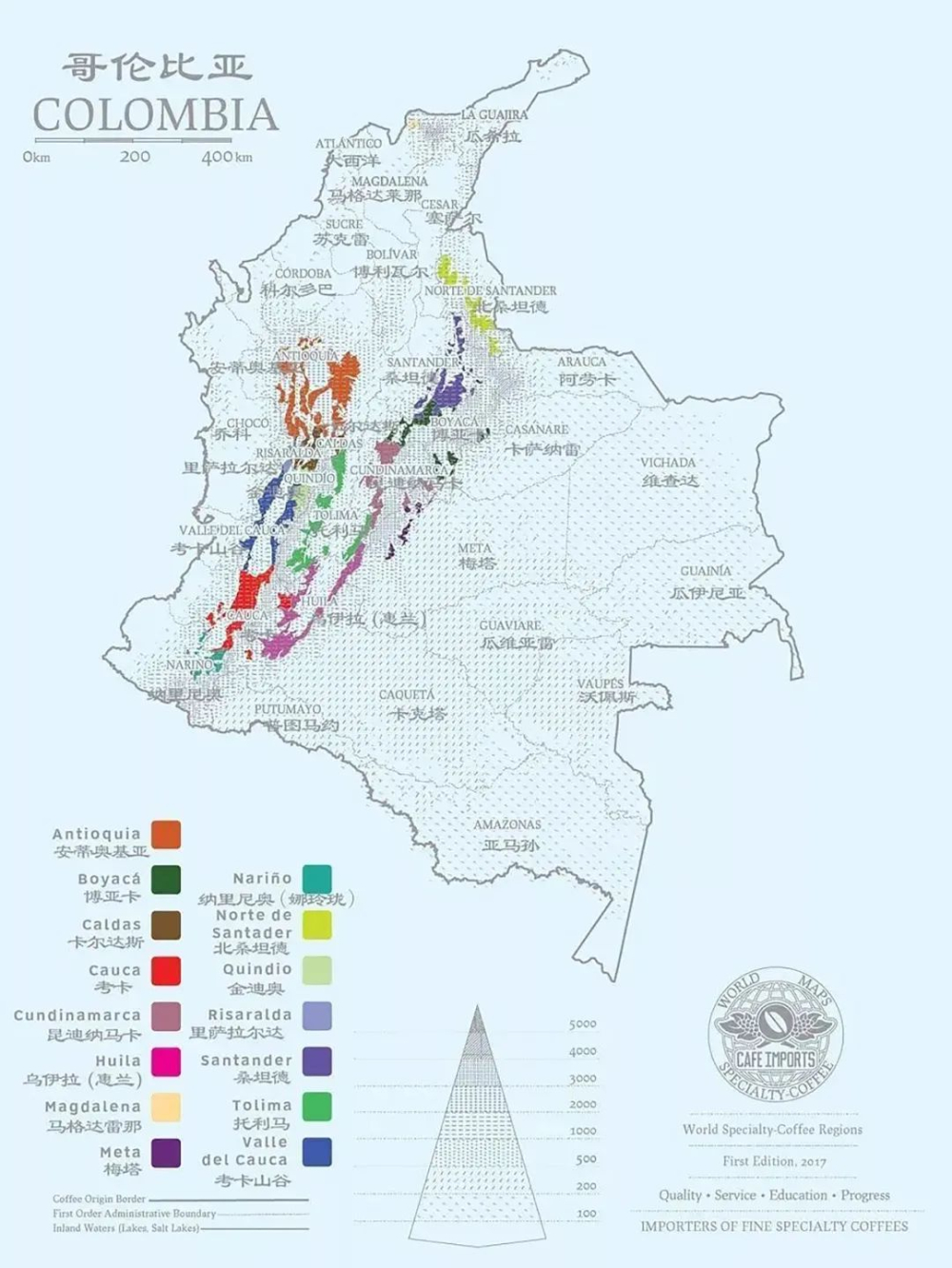
Finally, there isNariño, located in the southernmost part of Colombia. Though it accounts for just 3% of national production, it is one of the highest-altitude and most challenging regions in terms of natural conditions. Many areas here exceed 2000 meters in altitude, with some microclimates reaching up to 2300 meters. The presence of year-round snow-capped peaks and frequent rainfall creates unique variations in temperature and humidity. Nariño coffee is celebrated for its intense floral aromas, juicy berry flavors, and spicy aftertastes. Processing methods often include anaerobic or double anaerobic washed techniques to further enhance fruity and tea-like qualities. Coffees from this region are best suited to light-to-medium roasts to preserve their original flavors and vibrant acidity.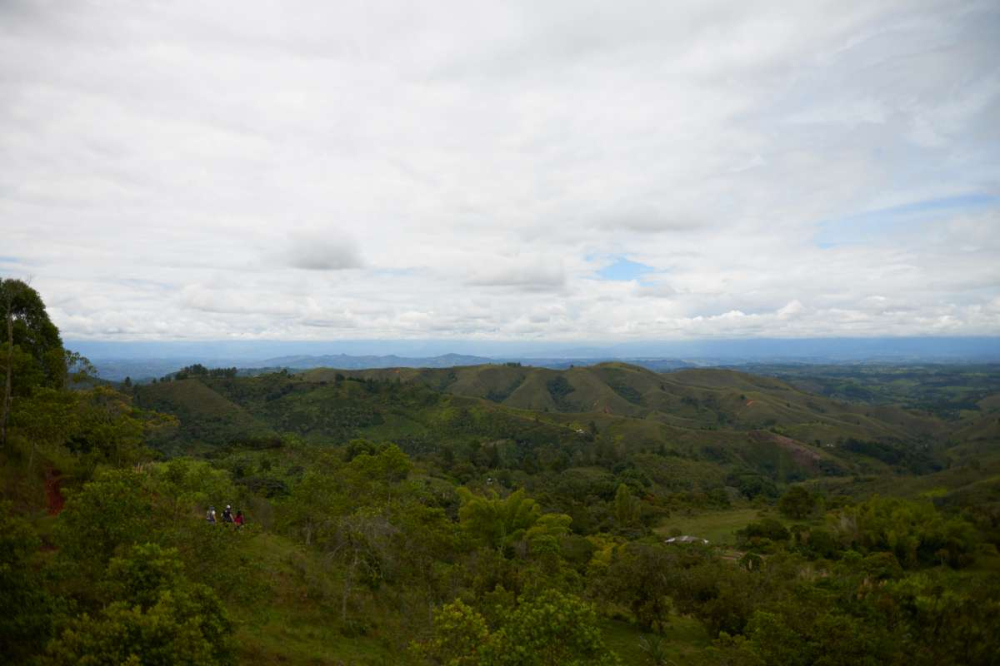
In terms of brewing recommendations, parameters should be adjusted according to the characteristics of each region. For example, when brewing Nariño coffee, you can use a Hario V60 #01 filter, maintain a water temperature of 90–91°C, and use a 1:15 coffee-to-water ratio with a medium-fine grind size of about 80% passing through a #20 sieve. A three-stage pouring method is recommended: start with a 30-second bloom using 30 grams of water, then pour in small streams to reach 125 grams for the first pour. After the water level drops, continue pouring to 225 grams. The total extraction time should ideally be between 2 minutes and 2 minutes 10 seconds to fully highlight its delicate floral-fruity notes and layered complexity. For beans like those from Huila or Medellín, which offer balanced acidity and sweetness with a full body, you may moderately increase water temperature and grind size to bring out a richer caramel and nutty finish.
The above content is compiled by CoffeeHunters, a coffee news website.


