







Introduction:To brew great-tasting coffee at home, start with choosing the right coffee beans. This article explains how to assess the freshness of coffee beans, teaches you how to determine the optimal drinking window using the roast date, and recommends everyday coffee beans (daily drinkers) suitable for home brewing based on common equipment such as pour over brewers and espresso machines. It also includes practical tips on selection and storage to help you find the one that suits your taste best.
For many users who have an espresso machine or a pour over setup at home, choosing the right coffee beans is the first step toward enjoying good coffee. However, there are so many types of coffee beans on the market—how do you choose? This article will start with the most crucial factor: freshness. Based on common home brewing methods, it also recommends several daily drinker beans that are suitable for long-term use and offer stable flavor, making it easy for you to choose the right coffee and enjoy every cup.
The flavor performance of a cup of coffee depends largely on the coffee beans used. To ensure an ideal brew every time, pay attention to several key points when selecting beans. Among these, freshness is arguably the most direct factor affecting flavor and should not be overlooked.
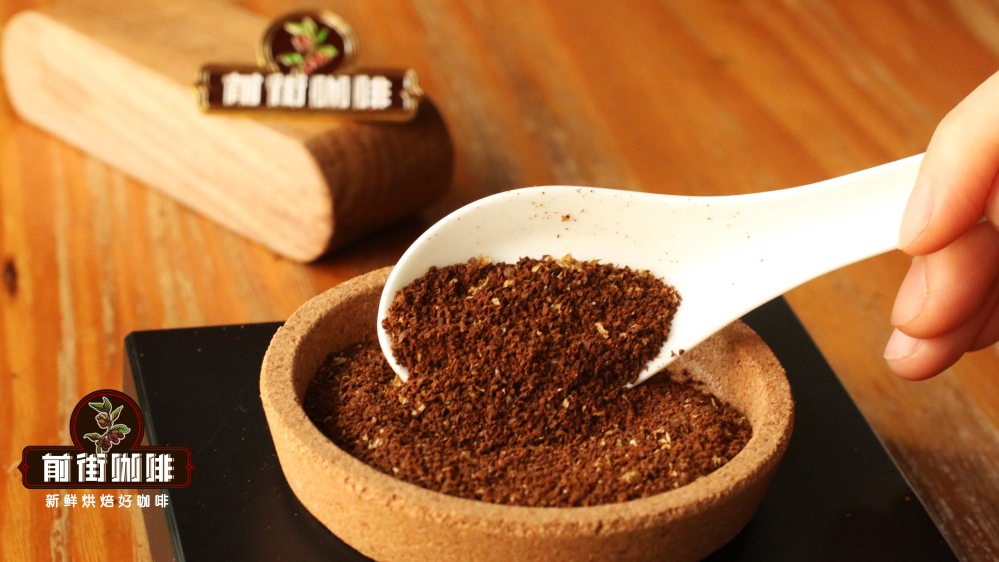
When it comes to the shelf life of coffee beans, there are two extreme views: one claims coffee never expires, while the other says it can only be kept for two weeks. In reality, coffee beans are essentially roasted agricultural products, and freshness is critically important. Consumers are advised to always check the roast date on the packaging. If no roast date is indicated, the beans may have been stored for some time and might not be fresh—avoid purchasing them. Generally, the peak flavor period for coffee beans is between the 4th and 30th day after roasting. Coffee brewed during this period yields the brightest and richest flavors. While beans can still be consumed after 30 days, their flavor gradually declines, and aroma and complexity become more muted. Therefore, for the best experience, it’s recommended to use them within 30 days.
Additionally, when selecting coffee beans, choosing a reputable roaster is also very important. Stable and fresh roasting ensures consistent quality in every brew. It’s advisable to prioritize brands that clearly indicate the roast date and have a certain level of market reputation, ensuring that the beans you purchase were roasted under optimal conditions, allowing you to enjoy near café-quality coffee at home.
Common home brewing methods are mainly divided into two categories: espresso-based and pour over. Due to differences in equipment and extraction principles, each method has different requirements for coffee beans. Choosing the right beans according to your brewing setup can make it easier for you to brew satisfying coffee.
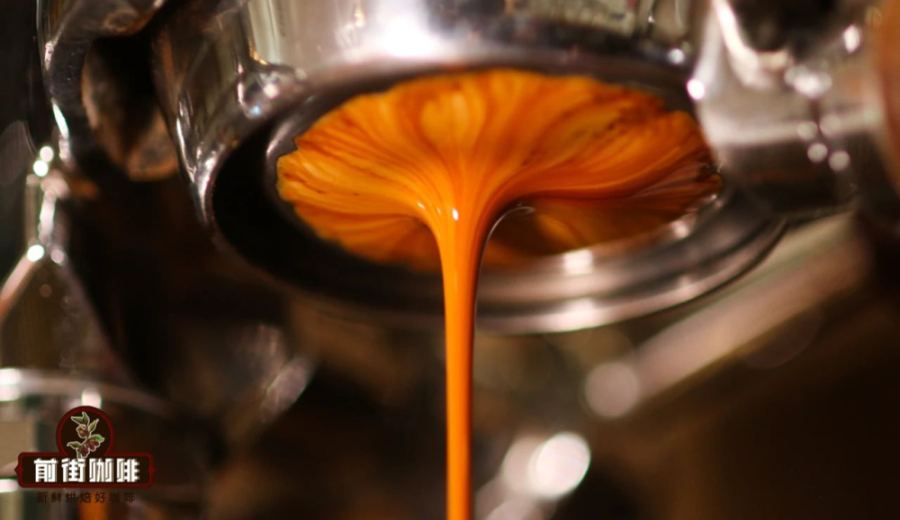
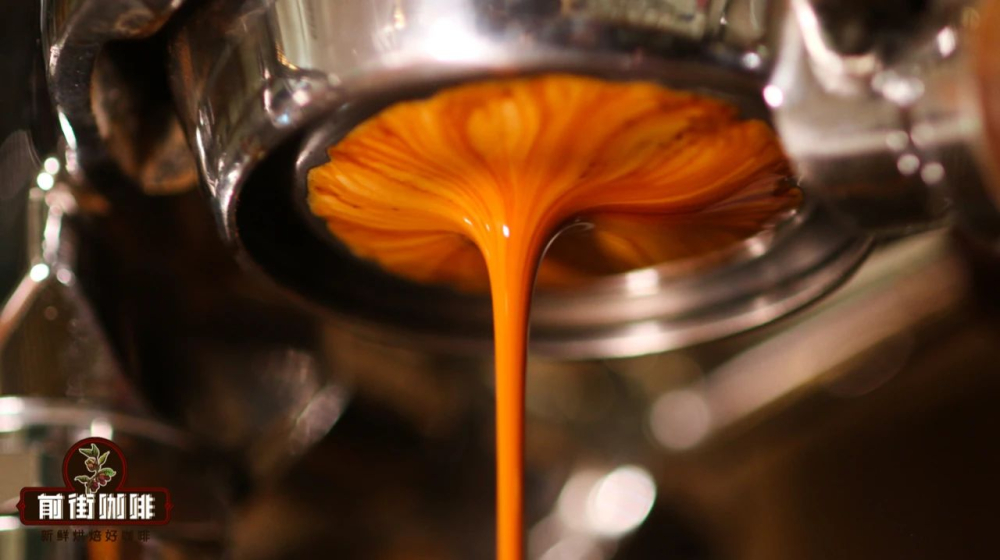
For users of espresso machines, the goal is usually a rich, crema-filled, and well-balanced cup. It’s recommended to choose dark roasted blends, which provide a solid coffee foundation. Whether you’re making espresso, Americano, or milk-based drinks like latte or cappuccino, they deliver consistent performance.
If you prefer the pour over method, it’s recommended to choose medium to light roasted single-origin beans. These beans better showcase the unique flavors of their origin, with bright acidity and rich layers of fruit or floral notes. The pour over method can highlight these details, making it ideal for savoring slowly.
Among commonly chosen pour over beans, those from Ethiopia’s Yirgacheffe region often feature bright citrus notes, honey, and green tea aromas, with lively acidity—suitable for those who enjoy fresh fruity flavors. Kenyan coffees, on the other hand, are known for their intense berry aromas and bold acidity, often showcasing distinct notes like cherry tomatoes and dark plums, with a strong juiciness—ideal for those who prefer a richer taste.
In addition, single-origin beans from regions like Kaffa Forest, Panama Geisha (花蝴蝶), and Colombian Huila each have their own characteristics. Kaffa Forest offers soft floral and citrus tones with overall balance; Geisha (花蝴蝶), due to its high proportion of Geisha variety, exhibits pronounced orange and nutty notes along with a hint of oolong tea aroma; Huila beans display rich cocoa and nutty aromas, suitable for those who enjoy warm, full-bodied flavors.
In summary, when purchasing coffee beans for home use, freshness is the top priority. It’s recommended to determine the optimal drinking window using the roast date and choose the appropriate bean variety based on your brewing equipment and personal preferences. Whether you’re a pour over enthusiast or an espresso machine user, as long as you choose the right beans, you can enjoy a professional-level coffee experience at home.
The above content is compiled by CoffeeHunters, a coffee news website.


