







Introduction:The V60 dripper is one of the most iconic tools in the pour over coffee scene. With its unique 60-degree cone angle, large single hole, and spiral rib design, it profoundly influences extraction efficiency and flavor expression. This article dives deep into the origins of the V60’s design, its three core extraction characteristics, and explores how different materials affect brewing — helping you master the use of this classic dripper to brew more nuanced coffee.
In the world of pour over coffee, the V60 dripper is undoubtedly one of the most well-known classic tools. Whether you're a beginner or a seasoned enthusiast, you've likely heard of it. This Japanese-made dripper, with its minimalist design and excellent extraction capability, has become the go-to choice for many coffee lovers. What makes the V60 stand out? And how does it influence the flavor of the coffee you brew? Let’s start with its history.
How was the V60 created?
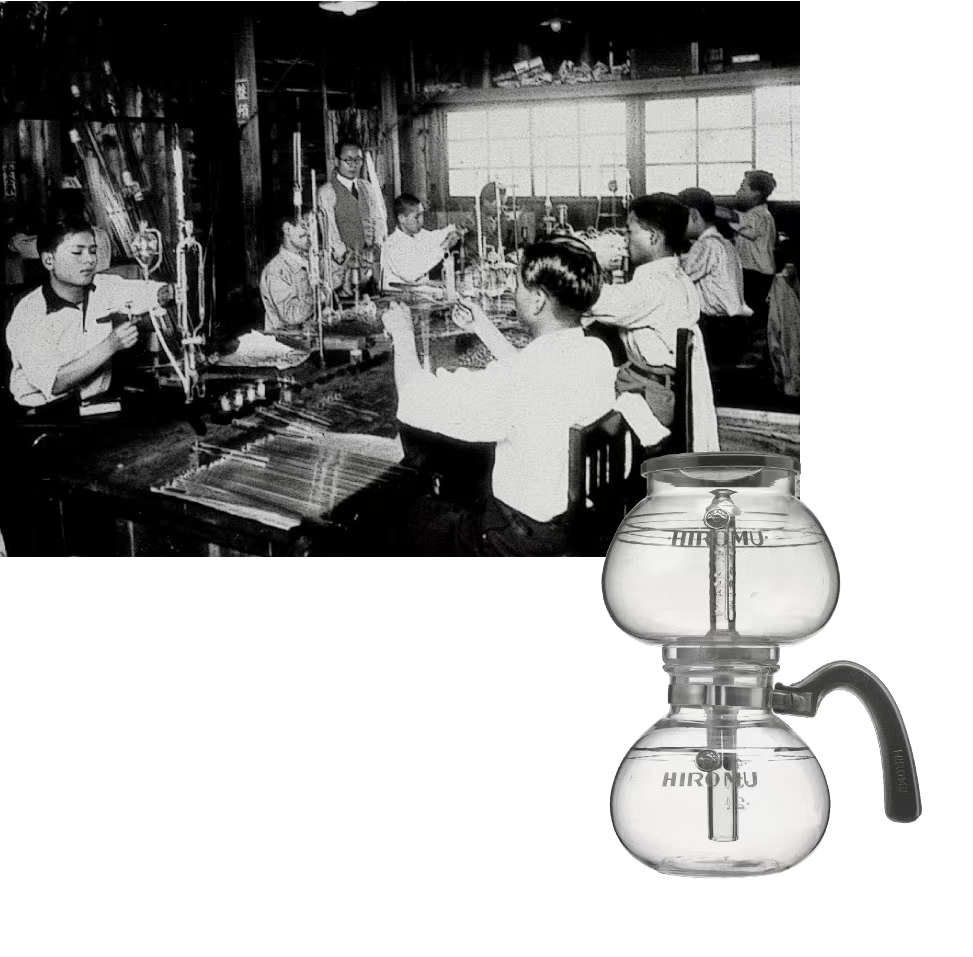
The Hario company, which designed the V60, was founded in Tokyo, Japan in 1921. Originally focused on the manufacturing of scientific glassware, its heat-resistant glass server has become a staple in many coffee enthusiasts’ homes. By the mid-20th century, as demand for home coffee equipment rose, Hario began to expand its product line, starting with siphon coffee brewers. However, at the time, mainstream immersion-style brewers such as the Melitta dripper and French press were either too complicated to use or had slow flow rates, making them unsuitable for users seeking efficiency.
In 1964, Hario attempted to design a coffee dripper based on a laboratory funnel, but it was not mass-produced and records from that time are scarce. It wasn’t until the 1980s that they launched a drip brewer resembling the Chemex, combining a funnel with a lower container, officially entering the market. What truly established the V60’s status was its 2004 redesign — inspired by a 60-degree cone angle and a V-shaped profile, giving it the classic look we know today, and officially launched the following year. Interestingly, early design sketches are still available on HARIO’s official website, where the inner wall of the original dripper even featured 12 toothpicks simulate flow channels.
How does the V60 influence extraction flavor?
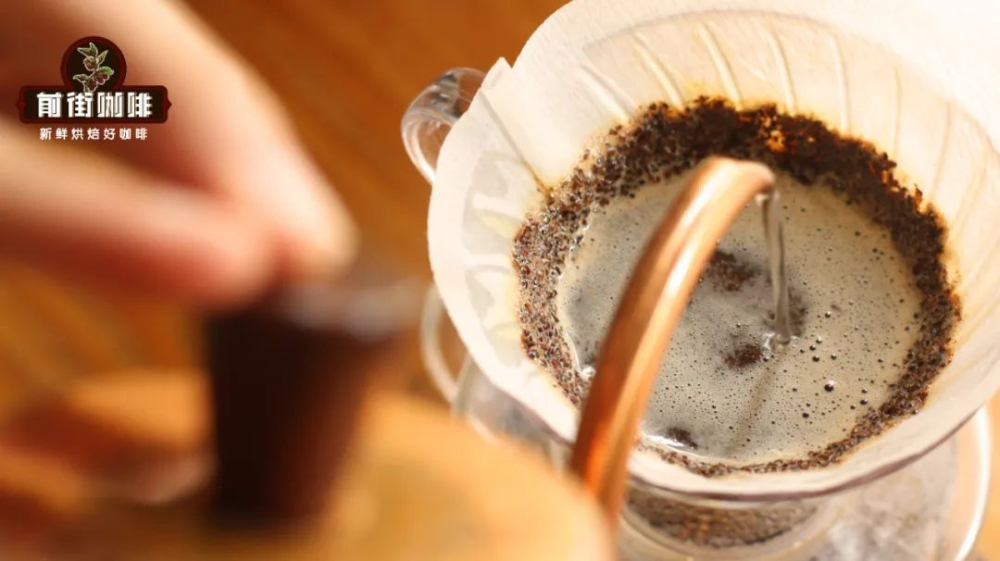
The success of the V60 lies in its three key design features: the 60-degree cone angle, a large central outlet hole, and a spiral rib structure. First,the 60-degree cone shapecauses the brewing water to flow from the outer edges inward, extending the contact time between water and coffee grounds, which helps extract flavor compounds more fully. Second,the large central outlet holeallows water to flow through more quickly, but also means that the brewing pace relies more heavily on the user's pouring control. Pouring too aggressively or too quickly can easily lead to under-extraction, resulting in thin or flat flavors. Therefore, to brew coffee with a balanced acidity and sweetness using the V60, stable water flow and precise pouring technique are crucial.
Finally,the spiral ribs on the inner wall of the drippernot only create a gap between the filter paper and the dripper to promote airflow and aid in the expansion of the coffee bed, but also lengthen the water flow path, leading to more even extraction. These detailed design elements combine to allow the V60 to fully highlight the delicate floral and fruity notes, as well as bright acidity, of light roasted beans — making it a star tool in the third wave coffee movement.
Why is the V60 so well-suited to the third wave coffee movement?
Before the rise of the third wave coffee movement, the market preference leaned toward medium to dark roasts, emphasizing bold body, caramel-like sweetness, and rich chocolate and nutty tones. Immersion-style drippers popular at the time, such as the Melitta or KONO, could produce rounded and balanced flavors, but struggled to highlight the delicate floral and fruity notes characteristic of light roasts. The V60’s fast extraction characteristics, however, perfectly accentuate these subtle flavors — making the citrus notes of Yirgacheffe, the tea-like floral nuances of Geisha, or the raisin-like sweetness of Mozart beans more vividly apparent.
For example, certain brands’ fruit-forward beans like Gu Ding Ding, Hua Hu Die, and Mozart, which feature distinct floral, fruity, and acidic profiles, often exhibit richer layers and clearer flavor lines when brewed with the V60. This is also why the V60 quickly rose to prominence in the pour over community, becoming the top choice for many baristas and enthusiasts.
Which material of V60 is right for you?
Currently, V60 drippers on the market come in various materials including resin, ceramic, glass, copper, and stainless steel. Although their structural designs are consistent, material differences affect thermal conductivity, weight, and durability — subtly altering the brewing experience. Among them,resin V60 drippersare favored by many coffee shops and beginners due to their good insulation properties, durability, resistance to breakage, stable industrial manufacturing processes with minimal variance, and lightweight design that makes them easy to carry — ideal for coffee lovers who brew on the go.
Ceramic and glass versions, while aesthetically pleasing, have faster heat conduction, which may affect temperature stability during brewing; metal materials like copper or stainless steel are heavier and conduct heat more readily, posing a slightly higher learning curve for beginners. Therefore, if you prioritize practicality and stability, the resin version of the V60 is undoubtedly an ideal choice for entry-level and everyday use.
The above content is compiled by CoffeeHunters, a coffee news website.


