







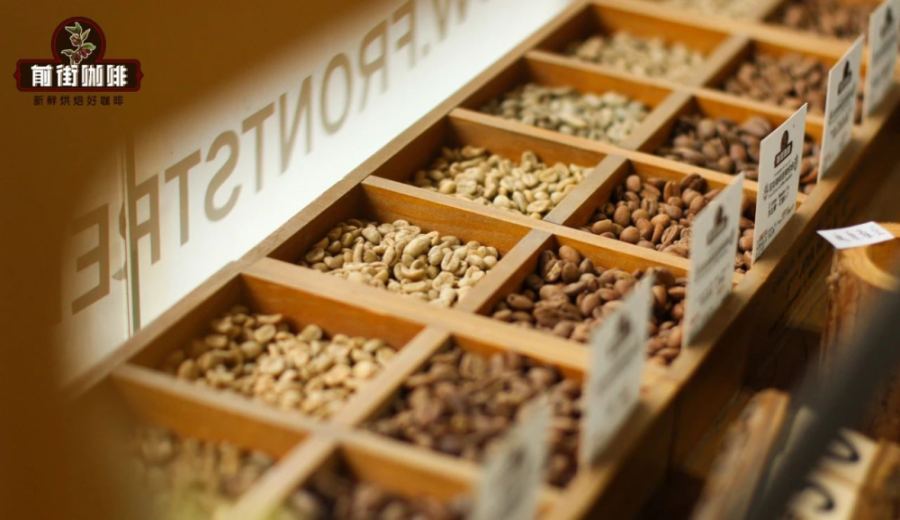
Introduction:The degree of coffee roasting determines the direction of the final flavor, but with terms like light roast, medium roast, dark roast, and even cinnamon, city, and French roast, many coffee enthusiasts remain confused. This article provides a professional analysis of the eight roasting levels classified by SCAA based on Agtron color values, helping you understand the flavor characteristics of each stage. It also includes the actual roasting profiles and pour over parameters for a light-roasted Yirgacheffe and a medium-dark-roasted Mandheling, guiding you from bean selection to brewing for a comprehensive mastery.
A coffee bean’s personality is shaped as early as the roasting stage. In the world of specialty coffee, roasting is not just a heating process but a crucial turning point in flavor expression. However, labels on packaging such as “light roast,” “medium roast,” or “cinnamon roast” and “French roast” often make it difficult for beginners to discern their true meanings. This article will take you deep into the science and practice of coffee roasting—from professional color standards to practical pour over applications—building a complete knowledge system step by step.
In the early days, definitions of roasting levels varied greatly around the world, lacking a common language. It wasn’t until the Specialty Coffee Association of America (SCAA) collaborated with Agtron, using an infrared caramelization analyzer (Agtron) to assess the surface color of coffee beans, that a quantifiable eight-level roasting standard was established. This system has since become an important reference for the industry in evaluating roast depth and allows consumers to more accurately understand how their beans have been processed.
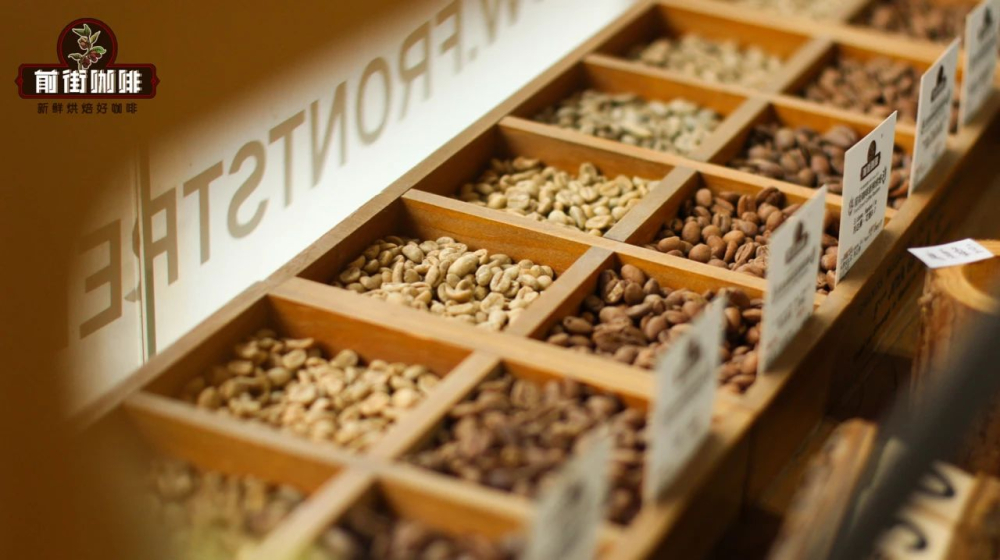
Based on Agtron color values, coffee roasting can generally be divided into eight stages. Among them,Agtron color value #95corresponds to “Light Roast,” typically dropped from the roaster at the end of the first crack when it is intense;Agtron color value #85is called “Cinnamon Roast,” completed around the end of the first crack. Further,Agtron color value #75is “Medium Roast,” dropped after the first crack ends; whileAgtron color value #65falls under “High Roast,” discharged during the stable period between the first and second cracks. Subsequently,Agtron color value #55 (City Roast)is at the very beginning of the second crack,#45 (Full City Roast)is dropped just before the second crack becomes intense.Agtron color value #35 (French Roast)is discharged during the intense second crack, whileAgtron color value #25 (Italian Roast)is not completed until oils begin to emerge on the bean surface.
Although the eight levels offer very fine distinctions, they can still be somewhat complex for most consumers. Therefore, many roasters simplify these roast levels into three broad categories: light roast (including light and cinnamon), medium roast (including medium and high), and medium-dark to dark roast (city roast and above). This classification makes it easier to quickly grasp the flavor tendencies brought out by each roast level.
Generally speaking,light roast (including light and cinnamon roasts)often exhibits bright floral and fruity aromas after brewing, with vibrant acidity and a clean, refreshing mouthfeel, making it ideal for those who enjoy original flavors and layered complexity. Conversely,medium roast (including medium and high roasts)emphasizes a richer body, with more restrained acidity and an overall fuller, more robust profile, suiting those who prefer intense flavors or milk-based coffee drinks.
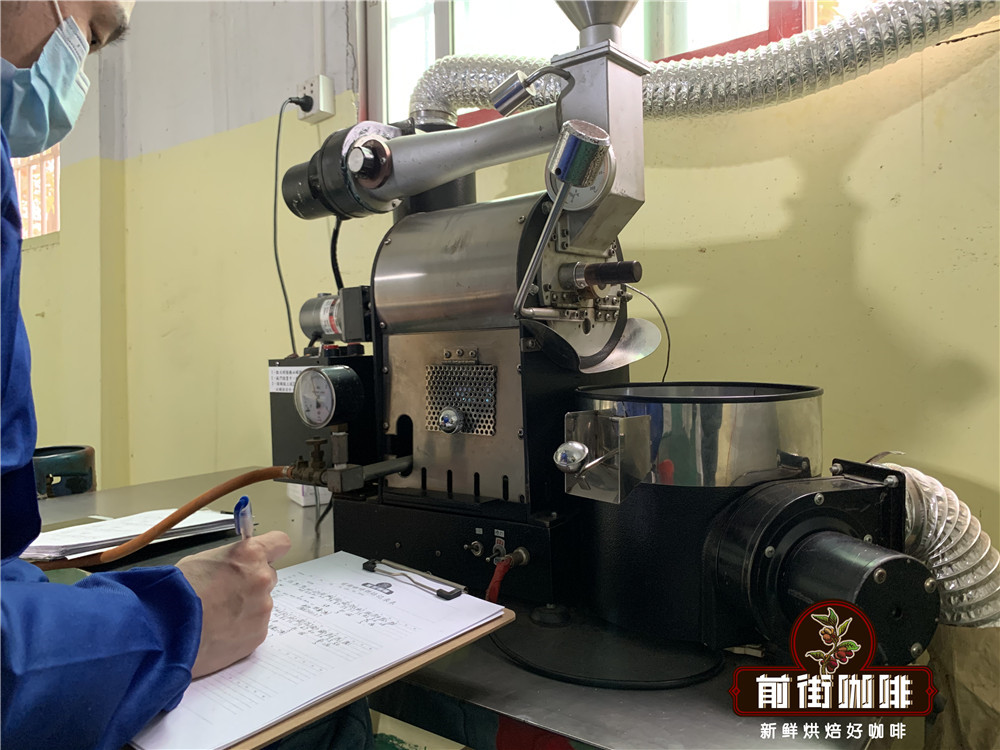
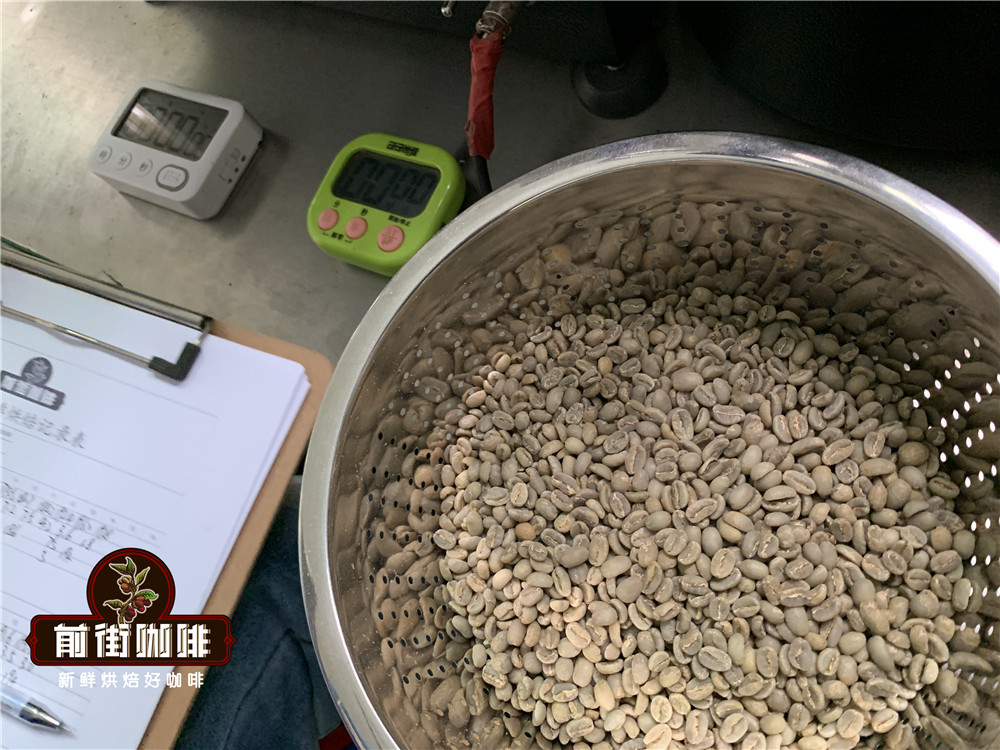
Taking actual bean varieties as examples, a light-roasted classic is the washed native variety “Guodingding Cooperative” fromYirgacheffe Gedeo Zone, grown at an altitude of 1900-2300 meters. This G1-grade bean is typically roasted with low heat and extended drying time by roasters to preserve its unique floral and fruity notes. The specific roasting profile is as follows: the charge temperature is 175°C, with fan speed 3 and heat 120; the turn-around point is around 1 minute 32 seconds, after which fan speed and heat are gradually adjusted. The first crack begins at 9 minutes 38 seconds, followed by a 1 minute 30 second development phase, and the beans are dropped at 193.5°C. This approach maximizes regional character while maintaining a good balance of acidity and sweetness.
For brewing, it is recommended to use a V60 filter cone, with a water temperature of 91–92°C, a 1:15 coffee-to-water ratio, and medium-fine grind (80% through a 20-mesh sieve). The pouring strategy is as follows: first pour 30g of water for a 30-second bloom, then gently pour 125g of water in the second pour, and add more to reach 225g in the third, with total extraction time around 2 minutes and 1 second. This method fully brings out its citrus and black tea notes, along with charming aftertastes of cream, caramel, and almonds.
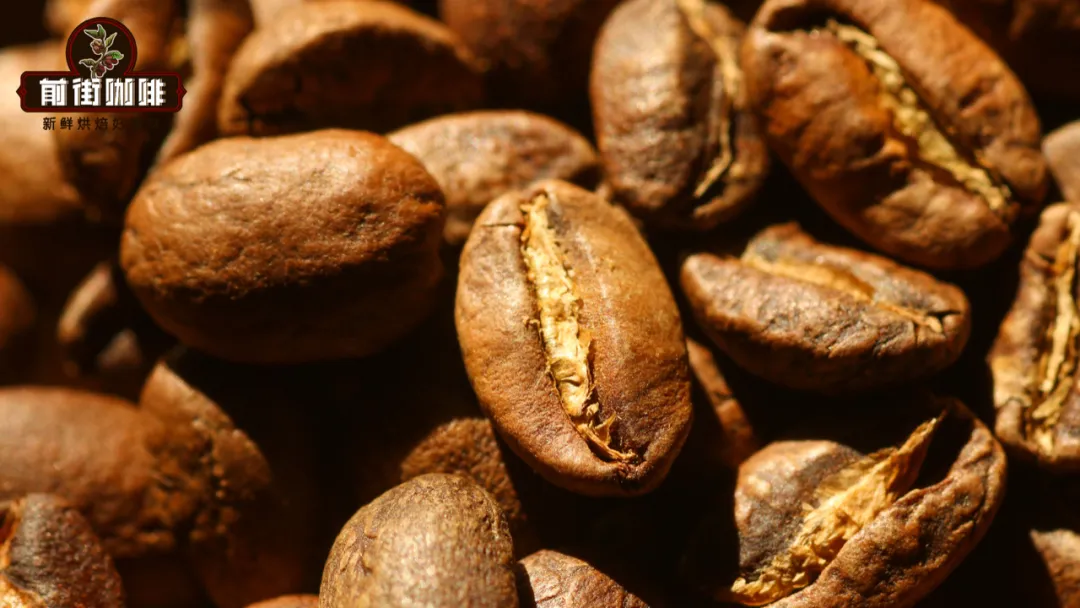
Another classic example is the medium-dark roasted “PWN Golden Mandheling,” sourced from Gayo Mountain, Aceh, Sumatra, at an altitude of 1100-1600 meters, processed using the wet-hulled method. Due to its naturally high moisture content, extra care is required during the drying phase. The roasting profile is designed as follows: charge at 200°C, fan speed 3 and heat 160, with the beans turning yellow around 5 minutes 40 seconds. Heat and fan speed are then adjusted, the first crack begins at 9 minutes 54 seconds, and the beans are finally dropped at 204.5°C. This roast level enhances its rich base while preserving moderate sweetness and spice notes.
For brewing, it is recommended to use a KONO filter cone, with a water temperature of 86–88°C, a 1:15 coffee-to-water ratio, and medium-coarse grind (65% through a 20-mesh sieve). The pouring strategy consists of three pours: first, 30g of water for a 30-second bloom, then slowly circle 125g of water in the second pour, and add more to reach 225g in the third, with total brewing time around 2 minutes. This method highlights its sweet herbal, cinnamon, and citrus-orange notes, along with the creamy, nutty, and chocolatey body, featuring soft acidity and rich layers.
In summary, understanding the roast level of coffee beans not only helps you make more suitable choices when purchasing but also guides you in adjusting your brewing strategy to fully bring out the potential of each bean. Whether you are just starting out or already have some experience, mastering the complete knowledge from Agtron color values to actual extraction will take your coffee experience to the next level.
The above content is compiled by CoffeeHunters, a coffee news website.


