








Introduction:Have you ever wondered why the enticing golden crema on your homemade espresso is always disappointingly thin—or worse, completely absent? In truth, the amount of crema isn’t just about aesthetics; it’s also a key indicator of whether your extraction has been successful. This article will delve into the various factors that influence crema formation, including coffee bean freshness, roast level, machine pressure, grind size, and water temperature control. We’ll also provide solutions to common issues and tips for troubleshooting, helping you step-by-step adjust your technique to achieve a rich, velvety crema.
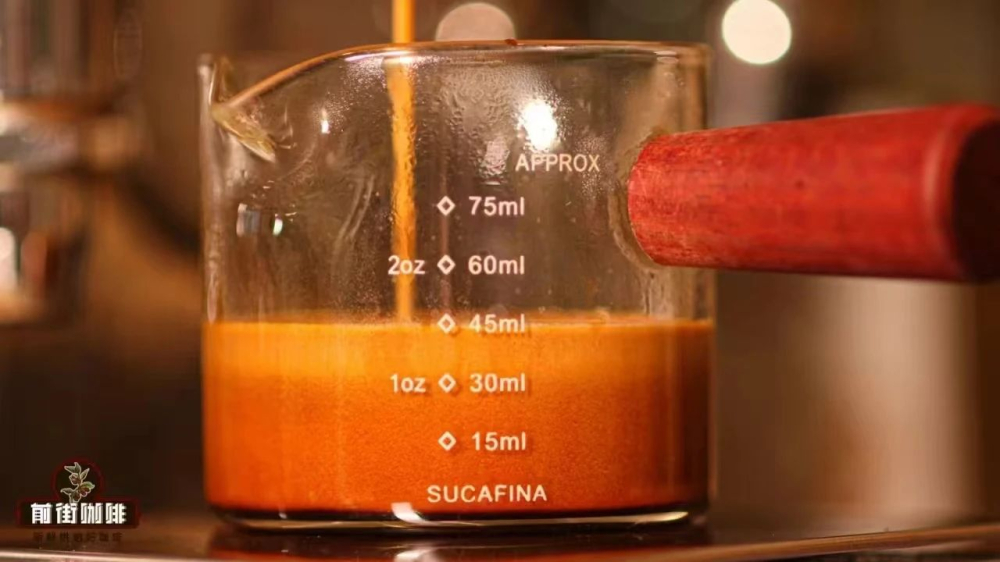
The golden layer of foam atop an espresso shot—known as crema—is often considered a hallmark of a well-brewed shot. Ideally, crema should cover about one-third of the coffee’s surface, with a creamy texture and noticeable cling when swirled. However, if you find your espresso yielding thin or nonexistent crema, it likely signals issues with the beans, machine settings, or brewing technique.
So what exactly affects crema formation? Below, we’ll break down the factors one by one to help you identify the root causes and improve your extraction quality.

1. Coffee Bean Freshness: The Key to Rich Crema
Crema forms primarily because carbon dioxide in the coffee is encapsulated by oils. Therefore, the fresher the beans, the more CO₂ they contain, and the easier it is to produce a rich, stable crema. Conversely, if the beans have been stored for too long and much of their CO₂ has dissipated, even perfect conditions may fail to yield a good crema.
It’s advisable to choose beans from professional roasters with clearly marked roast dates, rather than relying solely on best-before labels. Freshly roasted coffee beans typically enter their optimal extraction window 5 to 10 days after roasting. During this period, not only are the flavors vibrant, but the beans are also more likely to produce ideal crema.
2. Roast Level: Dark Roasts Tend to Yield More Crema
Assuming the same level of freshness, the roast level also significantly impacts crema performance. Generally speaking, the darker the roast, the more oils and soluble compounds the beans release, resulting in a richer, darker crema during extraction. Therefore, if you’re using light-roast beans, the crema may turn out thinner, or even take on a pale yellow or white hue.
3. Extraction Parameters and Pressure: 9 Bar Is Crucial
Producing thick crema depends not only on the beans themselves but also on the pressure during extraction. Espresso machines typically operate at 9 bar of extraction pressure, which effectively forces the essence and oils out of the coffee grounds. In contrast, if you’re using a home machine with unstable pressure or one that can’t reach 9 bar, the resulting crema will inevitably be underwhelming.
Additionally, a moka pot paired with fresh dark roast beans can still produce a certain degree of crema-like effect through high temperature and pressure, even without 9 bar.
4. Coffee Bean Variety: Robusta vs Arabica
The inherent characteristics of different coffee varieties also affect crema formation. Generally, Robusta beans contain a higher proportion of oils and pectins compared to Arabica, making them more likely to produce a thick, bold crema. As a result, many espresso blends include a portion of Robusta to enhance the texture and body of the crema, especially beneficial when crafting latte art, as it provides a more stable base.
5. Common Issues and Solutions
Below are several common reasons for thin or missing crema, along with adjustments you can try:
① Roast Level Too Light
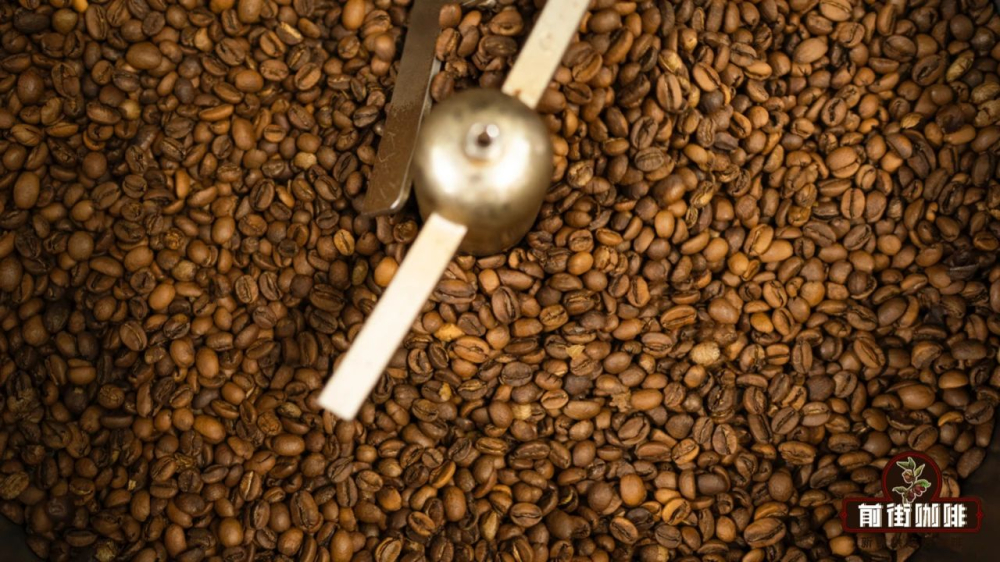
Coffee beans on the market are divided into light roasts suitable for pour over, and dark roasts designed for bold espresso flavors. If you attempt to brew espresso with light roast beans, the crema will usually be thin, pale in color, and the flavor profile may also fall short of expectations. It’s recommended to choose medium to dark espresso blends to achieve better crema results.
② Coffee Beans Not Fresh
If you’re using dark roast beans but still getting scant crema, the likely culprit is bean staleness. Freshly roasted beans undergo a degassing period during the first 7 to 10 days, then gradually reach peak flavor, with the optimal extraction window typically falling between 30 to 60 days post-roast. Beans older than two months not only lose aroma but also show a marked decline in crema production.
③ Insufficient Machine Pressure
Many home espresso machines fail to consistently deliver 9 bar of extraction pressure, directly impacting crema quality. If you’re using a low-pressure machine, check the device specifications or consider upgrading to a model that ensures stable pressure.
④ Incorrect Grind Size
If your espresso flows too quickly during extraction or even exhibits channeling, the crema is likely to be thin and pale. This is usually due to overly coarse grinding, leading to insufficient contact time between water and coffee. Use 20 seconds to extract a double shot yielding twice the dose of coffee grounds as a reference—if the time is too short, your grind may be too coarse and needs adjustment to a finer setting.
⑤ Water Temperature Too Low
The ideal extraction temperature for espresso is around 93°C. If the water is too cool, it won’t only hinder flavor extraction but may also prevent crema from forming. Additionally, some home machines require preheating time; starting extraction before the machine reaches a stable temperature may result in insufficient heat, negatively affecting both crema and overall taste.
In summary, achieving an espresso with a lush crema requires a comprehensive adjustment of multiple factors, including bean freshness, roast depth, machine performance, grind fineness, and water temperature control. Master these key elements, and you’ll be able to replicate café-quality crema at home, elevating the quality and enjoyment of every shot.
The above content is compiled by CoffeeHunters, a coffee news website.


