







Introduction:When selecting coffee beans, the roast level is often a key factor that influences flavor expression. This guide details the characteristics of eight major roast levels, from light roast to espresso roast, combining Agtron color values, roast timing, and typical flavor profiles to help you find the roast level that suits your personal taste preferences. It also provides practical pour over recommendations for medium-light and medium-dark roasts, making it easier for you to brew ideal flavors at home.
Among the wide variety of coffee beans, roast level is often a crucial determinant of flavor direction. Many coffee enthusiasts hesitate when choosing beans due to unfamiliarity with roast level classifications. Even if some brands do not directly indicate the roast level on the packaging, it can still be inferred from the flavor descriptions. This article will delve into the eight main roast stages, from light to espresso roast, using Agtron color values, roast timing points, and flavor characteristics to help you grasp the balance of acidity, sweetness, and bitterness, and find the roast style that best suits your taste.
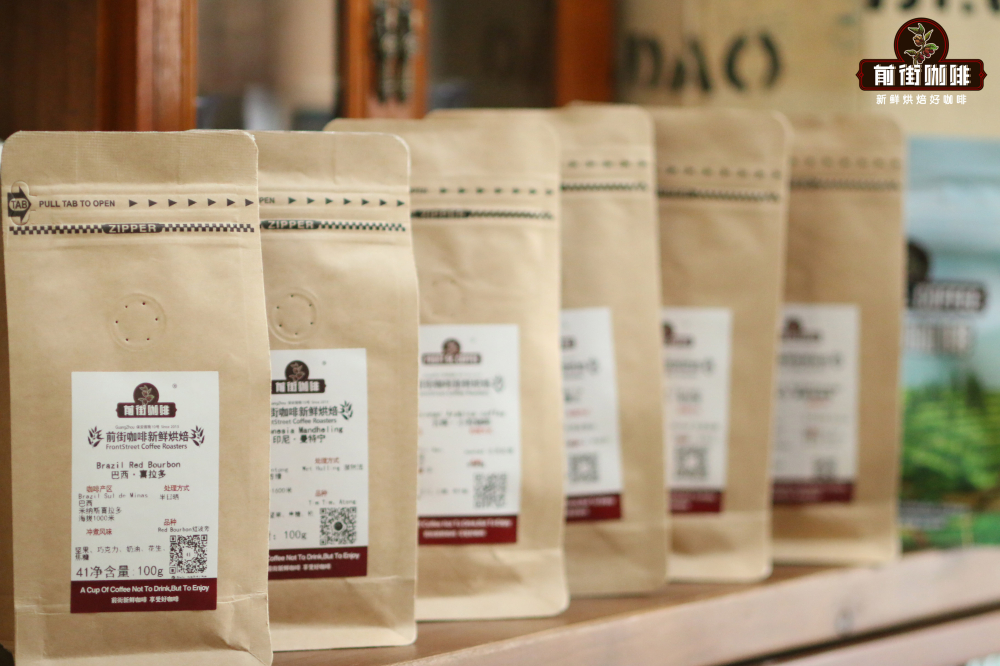
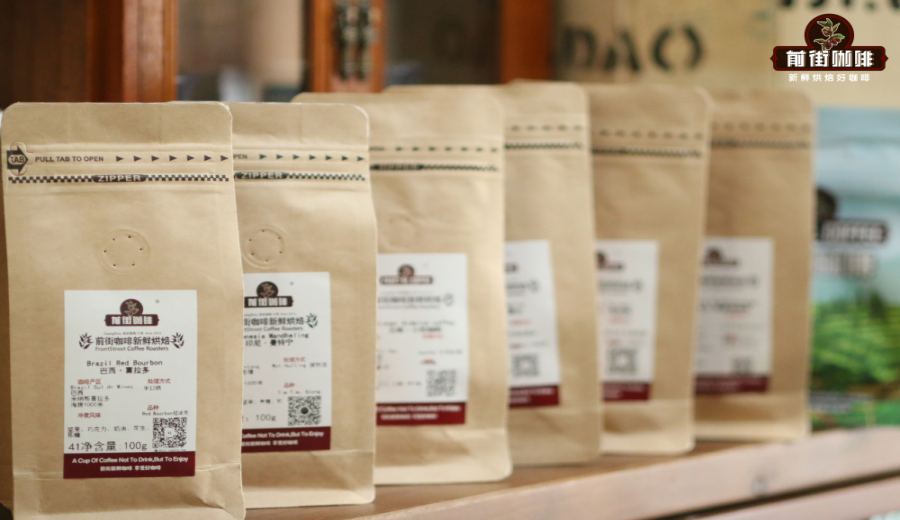
Many consumers who purchase specialty coffee may notice that some packages do not directly indicate terms like “light roast” or “medium roast,” which often leaves people unsure where to start. However, this information is often presented in more subtle ways—for example, by inferring the approximate roast level through flavor vocabulary descriptions. Although this method is not as straightforward as direct labeling, it better guides consumers to make choices based on actual tasting experiences.
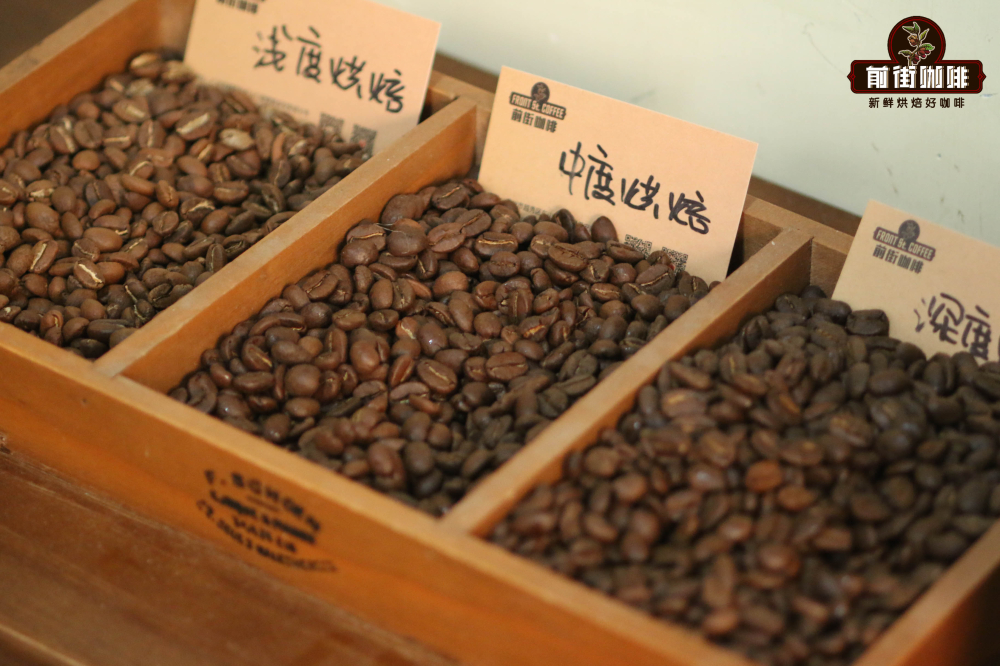
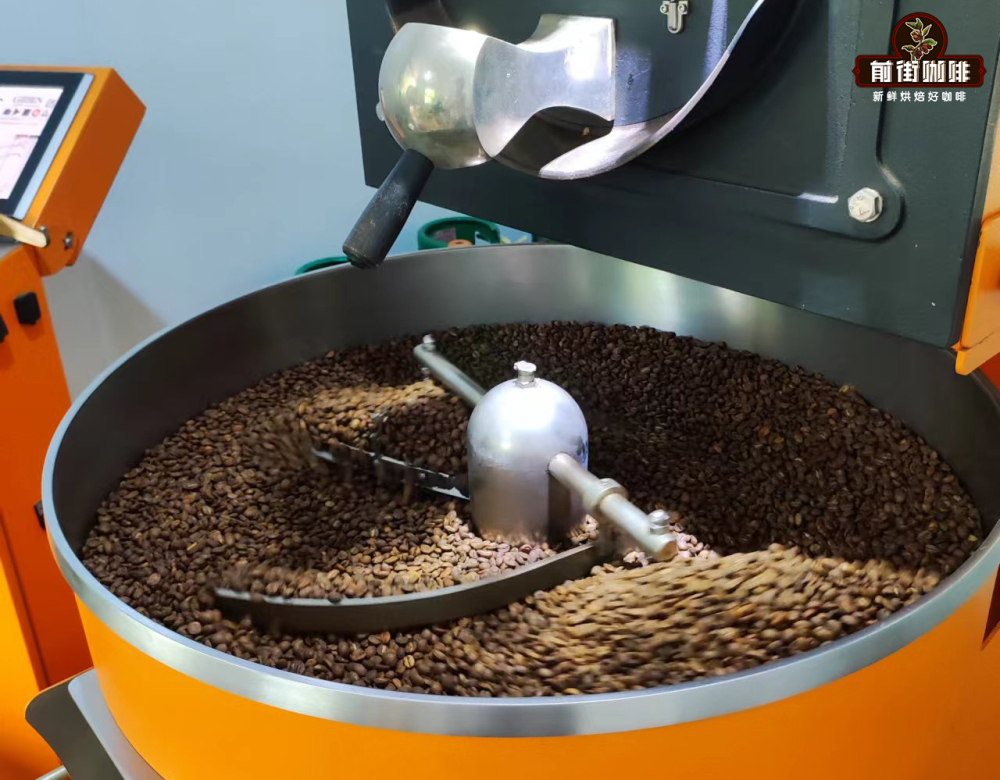
The lightest category in roast level classification is called “Light Roast,” corresponding to an Agtron color value of approximately 95. These beans are typically dropped just as the first crack becomes intense—when the beans continuously emit crisp popping sounds. Such beans exhibit bright acidity and vibrant, lively flavors, making them highly suitable for drinkers who prefer a fresh taste profile.
When the Agtron color value drops to 85, we enter what is known as “Cinnamon Roast.” The drop time is around the end of the first crack, when the popping sounds are gradually tapering off, possibly with only a few sporadic ones left. Coffee at this stage usually still centers around acidity but is accompanied by some layers of sweetness, resulting in an overall flavor that is refreshing with a hint of sweetness.
Moving further to “Medium Roast” at an Agtron color value of 75, the drop timing is delayed until after the first crack has completely ended. At this stage, the coffee emphasizes sweetness more prominently. While fruit acidity is still discernible, it is less pronounced, making it a top choice for those who prefer a balanced flavor.
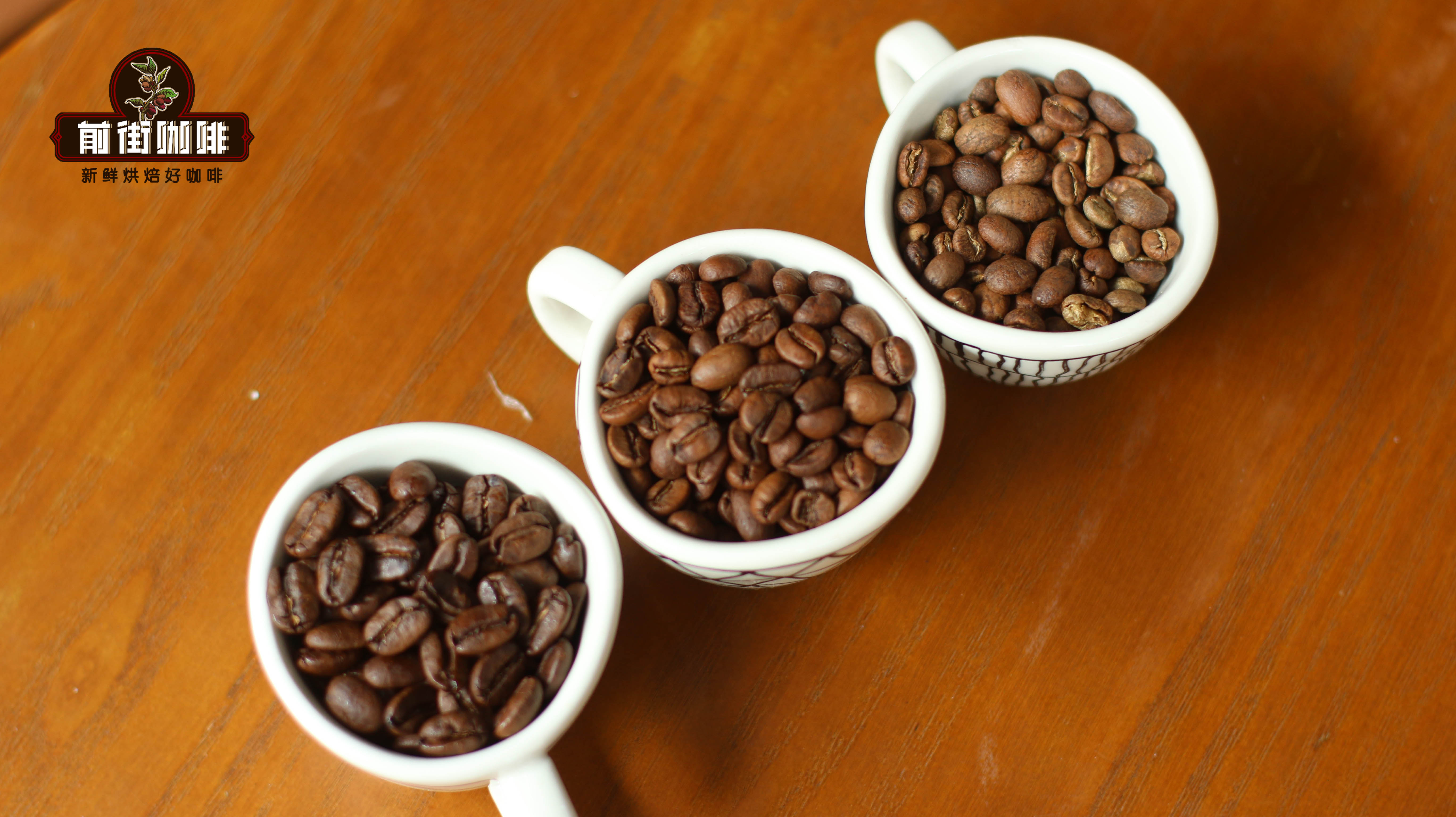
When the color value reaches 65, we call it “High Roast.” The drop point is chosen during the silent period after the first crack ends and before the second crack begins, lasting roughly one to two minutes. Coffee at this stage exhibits rich nutty and caramel flavors, with acidity almost disappearing, resulting in a smoother and more balanced overall mouthfeel.
An Agtron color value of 55 corresponds to “City Roast.” The drop time is around the very beginning of the second crack, when only faint, sporadic popping sounds appear. At this point, the bitterness and caramel aroma of the coffee become more pronounced, making it suitable for drinkers who prefer a stronger flavor.
Next is “Full City Roast” at an Agtron color value of 45. This stage involves dropping the coffee just before the second crack becomes intense, before hearing continuous popping sounds. The flavors have moved into deeper roasted and richer notes, making it a favored roast level among those who enjoy bold flavors.
An Agtron color value of 35 belongs to “French Roast.” The drop time is around the dense phase of the second crack, when the popping sounds are lower and more frequent than during the first crack. The bean surface begins to show oil sheen, and the flavors trend towards intense with a noticeable smoky charred note, while acidity almost completely fades away.
Finally, there is “Italian Roast” at an Agtron color value of 25. This occurs after the second crack has ended, representing an extremely dark roast. At this point, the beans are pitch black and shiny, with obvious surface oils. The flavors are dominated by intense roasted aromas and deep bitterness, commonly used in the production of espresso.
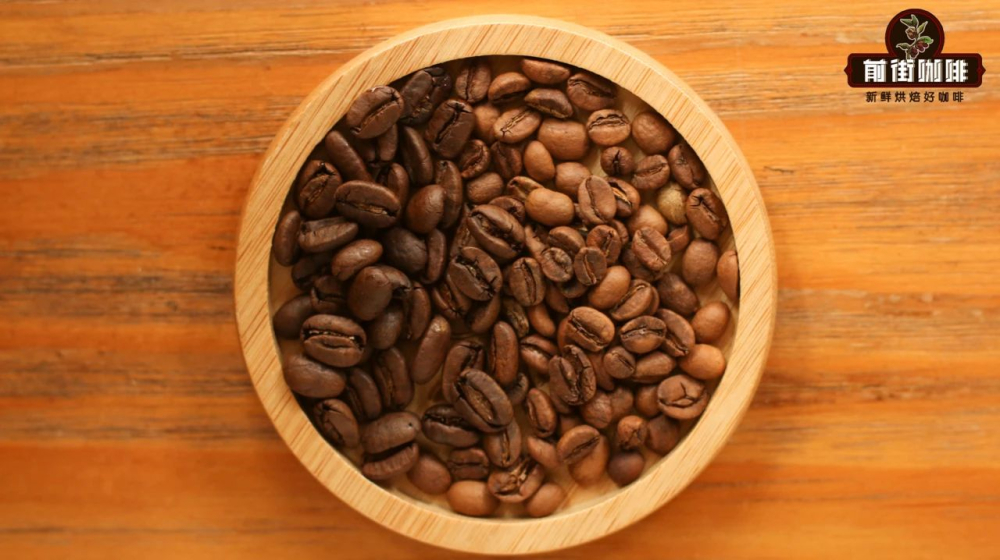
One of the most intuitive ways to judge roast level is by examining the ratio of acidity, sweetness, and bitterness in the flavor. Beans with pronounced acidity are usually medium-light roasts, while those with prominent bitterness are often medium-dark or dark roasts. By reading the flavor descriptions on the coffee bag, consumers can infer the roast level themselves and choose coffee that better matches their taste preferences.
In terms of brewing recommendations, medium-light roast coffee is suitable for water temperatures between 90–93°C, with grind size advised to be controlled between 75%–80% passing through a #20 sieve. If you wish to highlight brighter acidity, you can opt for slightly higher water temperature and a finer grind; if you prefer a softer sweetness, it is recommended to lower the water temperature and use a coarser grind to achieve a more balanced overall extraction.
The above content is compiled by CoffeeHunters, a coffee news website.


