








Introduction:Hawaiian Kona coffee is widely loved for its smooth, rich body and low acidity, and its unique flavor profile is closely tied to its island-growing environment. This article takes an in-depth look at Kona and Jamaica Blue Mountain Typica—both representative of the island coffee system—and explores their performance under medium-dark roasts. It also provides practical pour over and espresso brewing parameters along with tasting notes, helping coffee enthusiasts better understand the characteristics of island-grown beans and master their brewing techniques.
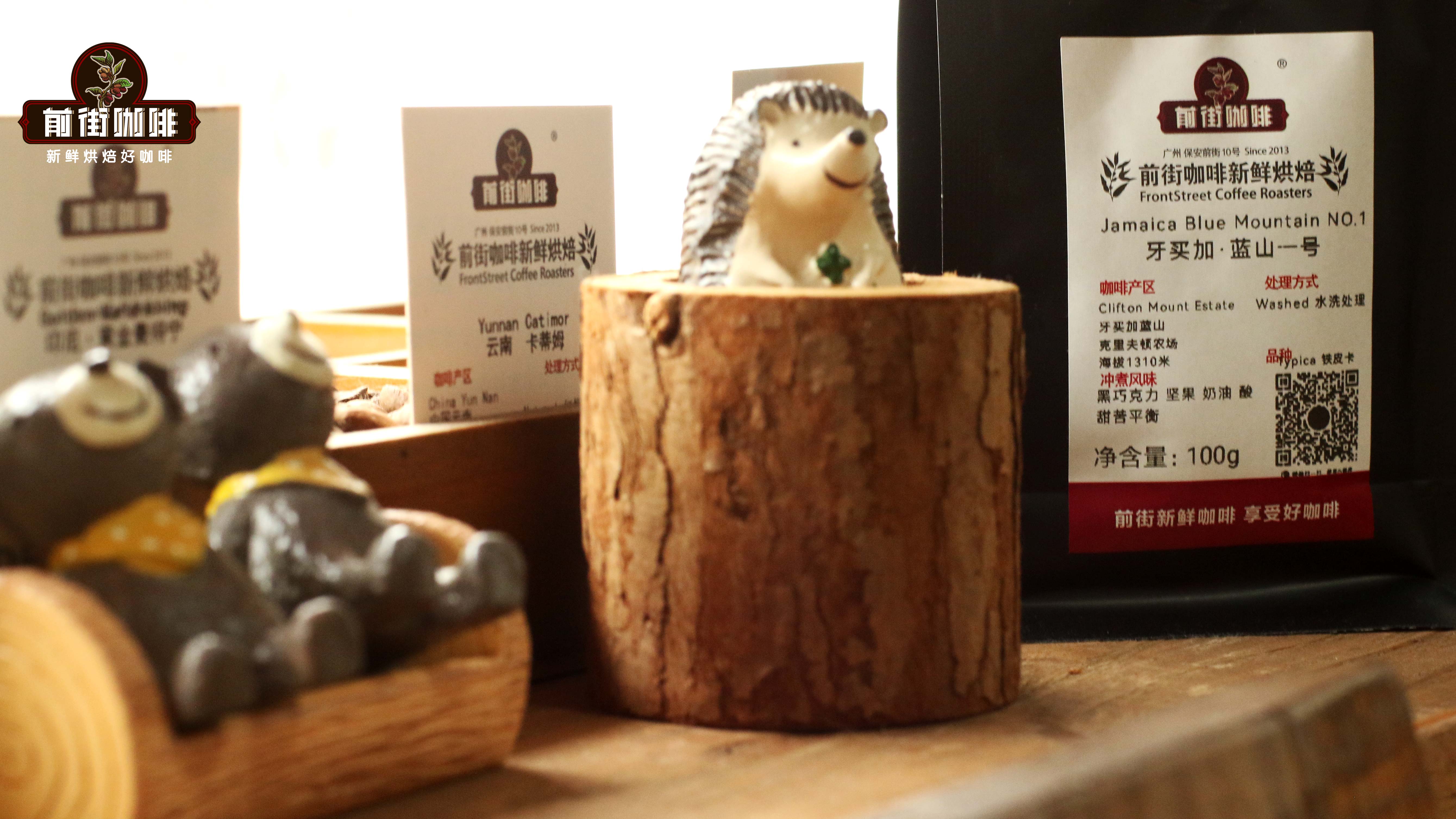
Hawaiian Kona coffee has long been known for its rich, smooth body and low acidity, qualities that are inseparable from its unique island-growing environment. In addition to Kona, Jamaica Blue Mountain is another iconic island-region coffee. Both predominantly use the Typica variety, which is less resistant to coffee leaf rust but can still maintain stable quality on islands with special geographic and climatic conditions like Jamaica and Hawaii. This article begins with a discussion of the Typica variety’s traits, analyzes how the island environment influences coffee flavor, and further shares the actual brewing performance and recommended parameters for Blue Mountain No. 1 after medium-dark roasting.
The Relationship Between Typica and Island Coffee
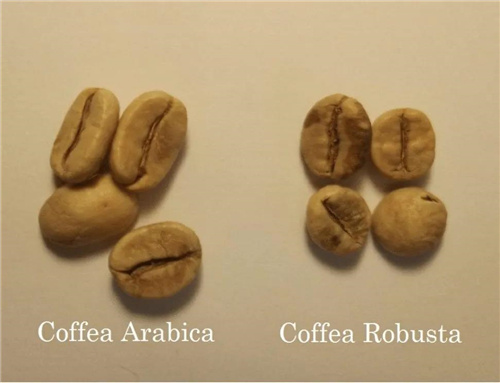
Coffee can be broadly divided into three main species: Arabica, Robusta, and Liberica. Among them, Arabica is commonly used in specialty coffee due to its delicate flavors, while Robusta is more often found in instant and commercial blends. Within Arabica, there are several cultivars, and Typica is one of the historically significant ones—it is also the variety used in Jamaica Blue Mountain coffee.
Although Typica was gradually phased out in Central and South America due to its susceptibility to coffee leaf rust, the unique geographic and climatic conditions of Jamaica allowed it to survive and become the sole variety used in Blue Mountain coffee. It’s worth noting that Blue Mountain is not grown at extremely high altitudes, so its flavor profile differs from that of typical high-altitude Arabica.
How Does the Island Environment Influence Coffee Flavor?
Although Blue Mountain coffee is grown in volcanic soil, its relatively moderate altitude means it does not exhibit the bright fruity acidity commonly found in high-altitude Central and South American coffees. Instead, it is known for its soft, low acidity, and mellow, aromatic richness. These flavor characteristics are typical of island-region coffee: balanced, smooth, and with a long, lingering aftertaste. Compared to other dark-roasted coffees, Blue Mountain—even under medium-dark roasting—displays a distinctive flavor profile: distinct layers of nuttiness, cookie, cream, chocolate, and caramel aromas.
Practical Brewing Performance of Medium-Dark Roast Blue Mountain No. 1
Taking medium-dark roasted Blue Mountain No. 1 as an example, it demonstrates its fine balance whether brewed via pour over or espresso extraction. When used for pour over, one can taste a well-balanced interplay of sourness, sweetness, bitterness, and umami, with clear and layered flavors. If brewed using immersion methods, its rich and smooth texture becomes even more pronounced. For espresso or moka pot preparation, it highlights a fuller body with rich crema and toasted aromas.
In practical testing, using a single dose of 13.5 grams of Blue Mountain No. 1 beans with a grind size set to #1.9 (an extremely fine powder level, close to coarse sea salt), and a tamping pressure controlled around 25 kg/m² (or roughly stable if using a calibrated tamper), the extraction yielded 20 grams of liquid within approximately 27 seconds. For a double dose, 20.5 grams of beans were used to produce 40 grams of liquid in about 26 seconds. Thanks to the bean’s freshness, the crema displayed a beautiful golden yellow. The first sip of the brewed coffee reveals a gentle fruity acidity, followed by a gradually emerging caramel sweetness, with a final aftertaste that lingers with notes of chocolate and brown sugar.
Blue Mountain Espresso Can Also Become a Delicious Americano
You might not have thought that Blue Mountain No. 1 can also be used to make espresso (known as Blue Mountain SOE). Adding hot water to brewed Blue Mountain espresso transforms it into a uniquely flavored Americano. In this form, the sweetness becomes even more pronounced, the overall mouthfeel lighter, the original fruit acidity further reduced, and in its place emerges a rich, long-lasting dark chocolate flavor—perfectly suited for coffee lovers who prefer low-acidity and milk-forward profiles.
In summary, island-region coffees like Hawaiian Kona and Jamaica Blue Mountain derive their charm not from high altitude but through the interaction between variety and environment, showcasing a flavor profile that is low in acidity, mellow, and richly layered. Whether you’re a pour over novice or an espresso enthusiast, you can explore the unique charm of island beans using the parameters and suggestions provided above.
The above content is compiled by CoffeeHunters, a coffee news website.


