








Introduction:Adjusting grind size is a key factor in controlling the flavor extraction of pour over coffee. This article provides an in-depth analysis of the grind setting recommendations for the EK43s grinder in pour over scenarios, explains the suitable grind ranges for beans of different roast levels, and guides you on how to use a No. 20 sieve (20-mesh) for precise calibration. This will help you easily master grind uniformity and extraction efficiency, enabling you to brew more balanced and smooth coffee.
Grind fineness is one of the core factors that determines the success or failure of coffee extraction. If the coffee is ground too fine, it’s prone to over-extraction, resulting in bitterness and astringency; if it’s too coarse, under-extraction may occur, making the coffee taste thin and bland. This article will detail how to adjust the grind settings suitable for pour over using the EK43s grinder, and teach you how to use a 0.85mm No. 20 sieve to verify grind uniformity, so that each brew can more consistently present the intrinsic flavors of the coffee.

Many people wonder, among grind settings from 1 to 10, which one represents the finest? In fact, the grind scale logic of most grinders is: the smaller the number, the finer the coffee grounds produced; the larger the number, the coarser the grounds. Therefore, when adjusting grind size, understanding the basic logic of the grind scale is the foundation for achieving ideal extraction.
The fineness of coffee grinding directly affects extraction efficiency and flavor expression. The finer the coffee grounds, the greater the total surface area that comes into contact with water, allowing more flavor compounds to be released, but it also increases the risk of over-extraction. Conversely, coarser grounds allow water to flow through more quickly, which may lead to under-extraction. Therefore, different brewing methods—such as pour over, French press, and espresso—each have their recommended grind ranges. Choosing the right fineness is the first step toward flavor balance.
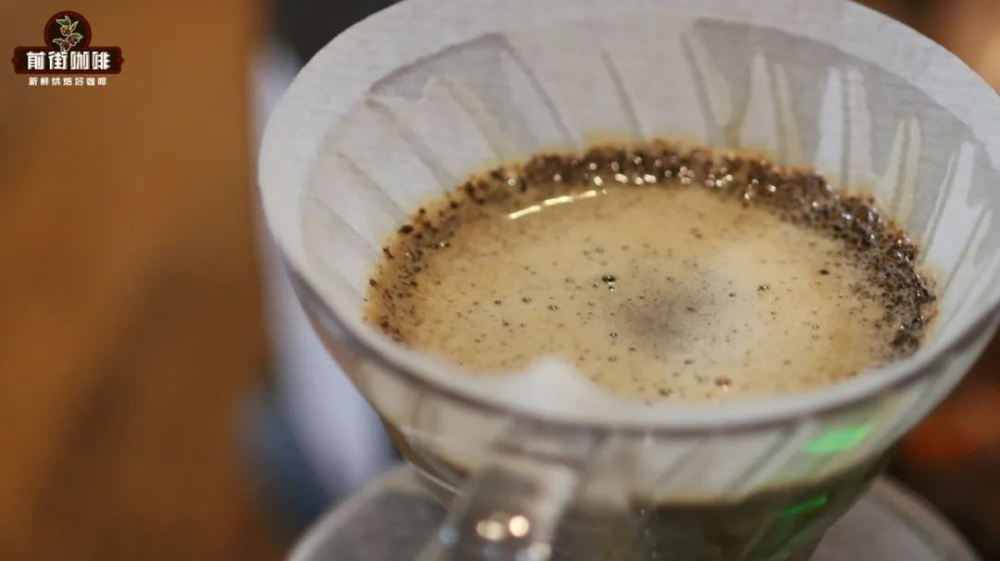
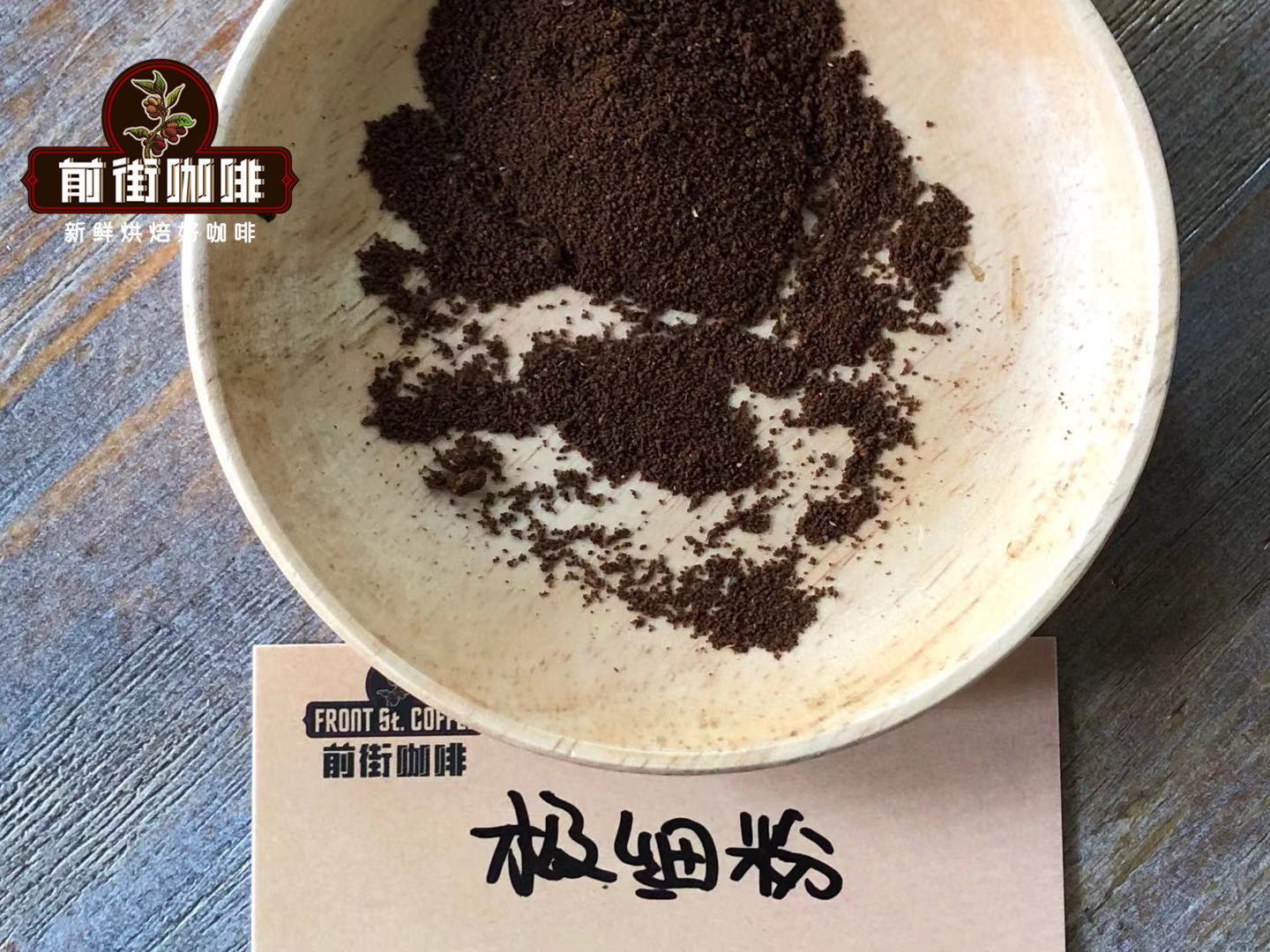
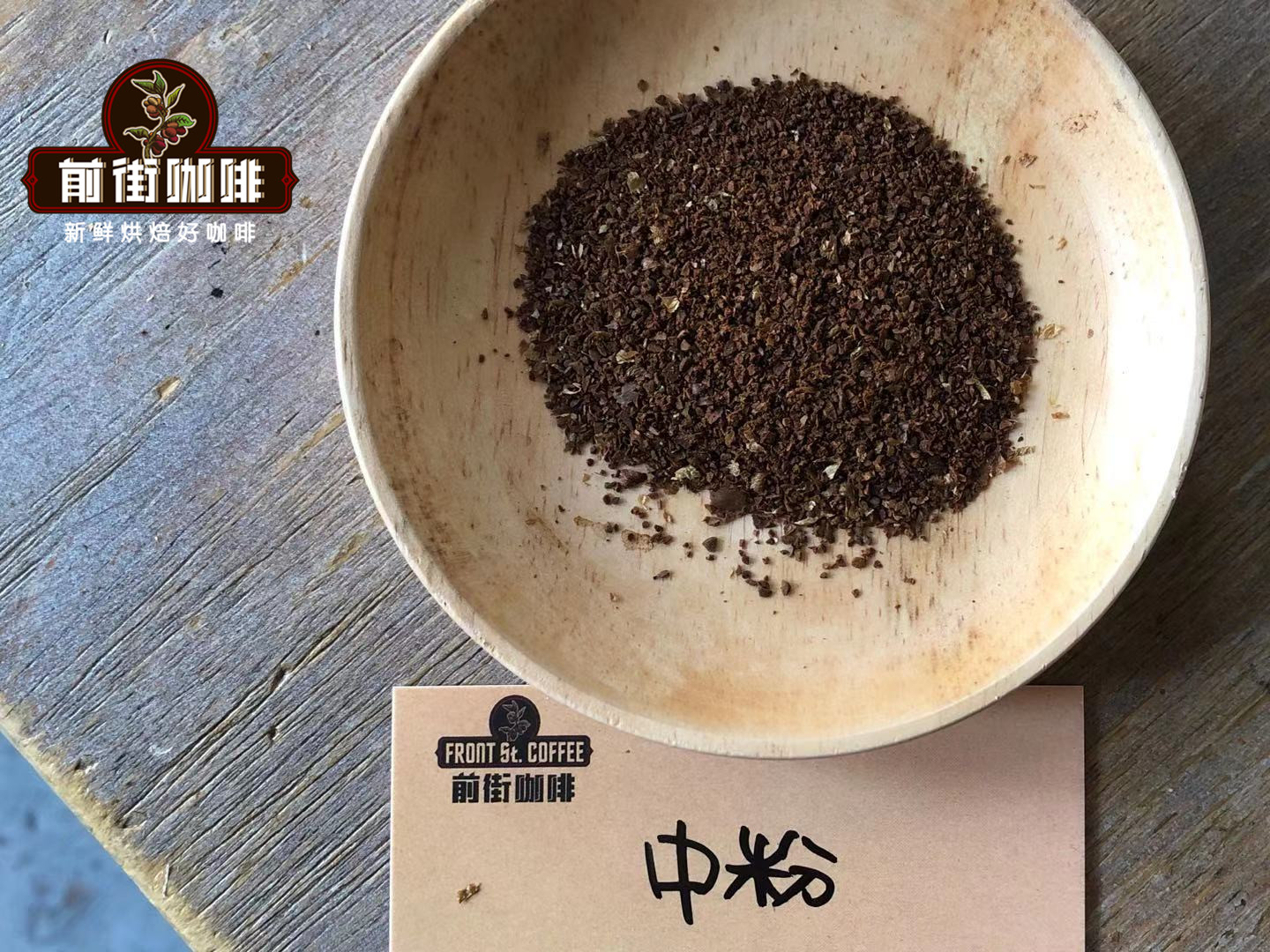
Common coffee grind sizes can generally be divided into: Turkish (finest), espresso, pour over/drip (medium), siphon, and French press (coarsest). Among these,espresso, due to its short extraction time (about 20–30 seconds), requires an extremely fine grind to increase extraction yield;pour over coffee, on the other hand, has a longer extraction time (about 2 minutes), making it suitable for medium-fine to medium-coarse grind sizes, to avoid over- or under-extraction; whereasthe French press, due to its long steeping time, usually calls for the coarsest grind to prevent over-extraction.
So, when faced with a commercially available grinder with settings from 1 to 10, how should you set it? In reality, the grind scale logic varies by grinder model—some use 1 as the finest, while others use 10. Therefore, relying solely on the numerical scale is not enough to accurately determine grind fineness. It's recommended to use a sieve test as an auxiliary method for confirmation, especially for pour over applications where precision control is crucial.
Take the EK43s, a flat burr grinder widely favored by professional baristas, as an example. For pour over, if using medium-light roasted coffee beans, it is recommended to set the grind tosetting 10, at which point the grind size is close to medium-fine, capable of highlighting a balance of acidity, sweetness, and caramel notes; for medium-dark roasted beans, it is advised to adjust tosetting 10.5, which is a medium-coarse grind, helping to avoid over-extraction and yielding a rich yet smooth cup.
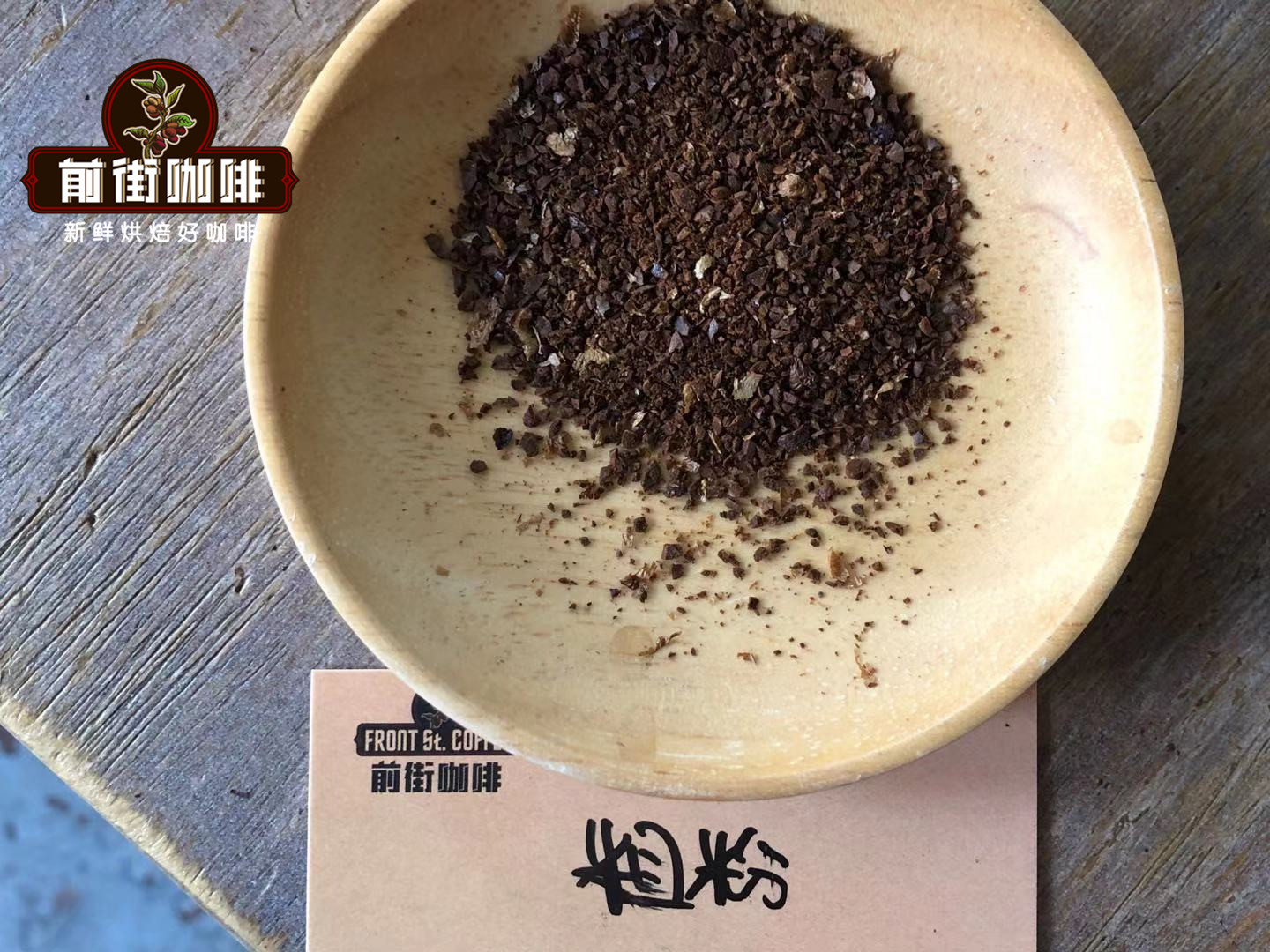
For pour over coffee, the ideal grind size is generally recommended to be tested using a 0.85mm No. 20 sieve. According to the Specialty Coffee Association of America (SCA), the ideal sieve passing rate for pour over coffee is about 70%–80%. Specifically, a passing rate of 80% indicates a medium-fine grind (similar in size to granulated sugar), while a rate of around 70% corresponds to a medium-coarse grind (like coarse sugar).
In practice, you can start by taking 10 grams of coffee beans, grinding them at your estimated grind setting, then pouring the grounds into the No. 20 sieve. Gently shake the sieve from side to side to let the coffee grounds naturally pass through until no more can sift. Next, weigh the coffee grounds that passed through the sieve: if 8 grams pass, the grind is on the finer side (medium-fine); if only 7 grams pass, it is on the coarser side (medium-coarse). If the passing rate does not meet expectations, you can accordingly adjust the grinder’s scale and test again until the desired range is achieved.
Additionally, you can also assist in judgment by observing the flow speed during brewing: if water flows through the coffee bed too quickly, it usually means the grind is too coarse; if the flow is slow and stagnant, the grind may be too fine. Simple observation can also help you make preliminary adjustments to the grind settings and improve brewing success rates.
Below are practical recommended sieve passing rates for different brewing methods for reference: pour over and siphon (about 80%), American drip (about 75%–80%), cupping (about 70%–75%), and French press (about 65%–70%). Higher values indicate finer grinds, lower values indicate coarser grinds, and you can flexibly adjust according to different equipment and brewing times.
Finally, it is important to note that grind uniformity is equally critical. If there is too much variation in the fineness of the ground coffee, it will lead to uneven extraction: coarser particles will be under-extracted, while finer ones may be over-extracted, ultimately affecting the overall balance and expression of flavors. Ideally, coffee grounds should be concentrated within the target particle size range to showcase the best aroma and taste layers. If your home grinder produces inconsistent particle sizes, consider evaluating a burr replacement or adjusting the burr alignment to achieve better grind quality.
In summary, whether it’s adjusting the grind scale of the EK43 grinder, mastering the suitable grind ranges for different roast levels, or using the No. 20 sieve for calibration, all are essential techniques for improving the consistency of pour over coffee. Familiarizing yourself with these basics will make it easier for you to dial in your desired flavors during daily brewing, and enjoy every cup of your own specialty coffee.
The above content is compiled by CoffeeHunters, a coffee news website.


