







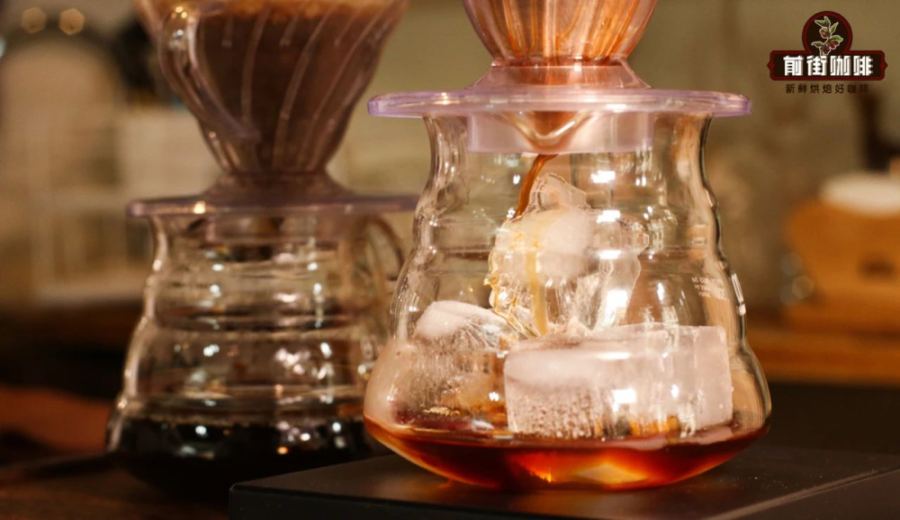
Introduction:As summer approaches, iced coffee has become the top choice for many coffee enthusiasts. In addition to the common Americano on ice, cold brew and iced drip—both extracted at low temperatures—are gradually gaining attention. These three types of iced coffee differ in brewing methods, flavor profiles, and preparation time. This article will provide a detailed analysis of their taste differences and offer a step-by-step guide along with parameter suggestions for beginners to make cold brew coffee, helping you easily master the essentials of cold brew.
On hot summer days, iced coffee is a favorite choice for many to refresh and cool down. Among them, Americano on ice remains the market mainstream due to its simple preparation and quick service. However, in recent years, cold brew and iced drip coffee—both using low-temperature extraction—have been on the rise, winning over many fans with their refreshing and mellow flavors. Although all three are iced coffee, their brewing principles and resulting flavor profiles are quite different.
Americano on ice is the most common form of iced coffee, and its preparation is relatively simple—just add espresso to iced water. This method involves high-temperature, fast extraction, with flavors concentrated in the espresso shot, so it demands higher-quality coffee beans. If you prefer a rich crema, you can choose blends roasted to bring out buttery, nutty, and dark chocolate notes; if you enjoy fresh floral and fruity profiles, consider Italian-style blends with floral and fruit aromas.
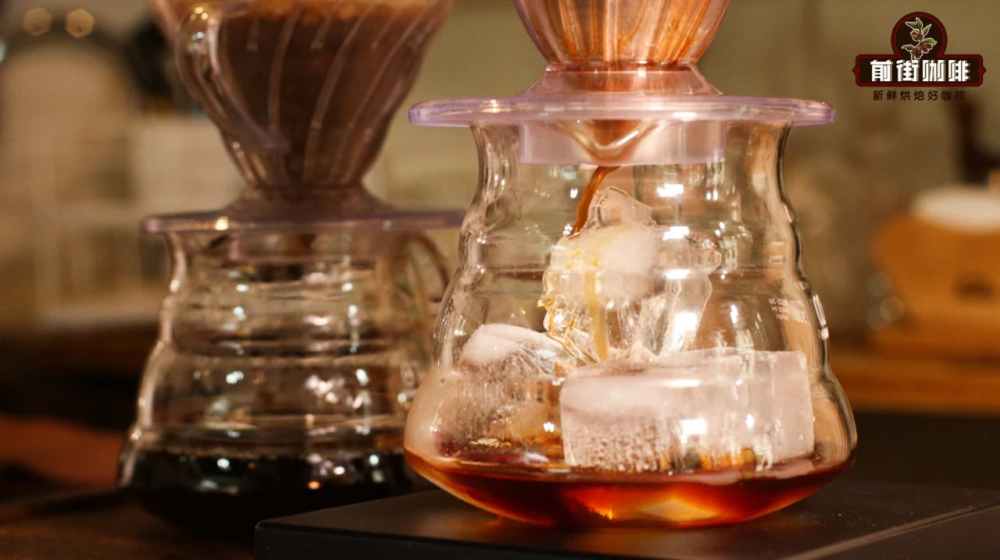
In contrast, cold brew and iced drip adopt low-temperature, long-duration extraction methods, typically taking between six to twenty-four hours. This extraction approach effectively suppresses the release of bitter and astringent large molecules, allowing smaller acidic and sweet molecules to dissolve first, resulting in a smoother, richer, and less bitter taste. Cold brew is favored for home brewing due to its simplicity and lack of need for expensive equipment, while iced drip—due to its higher equipment cost—is more suited for experienced coffee lovers or those with well-equipped setups.
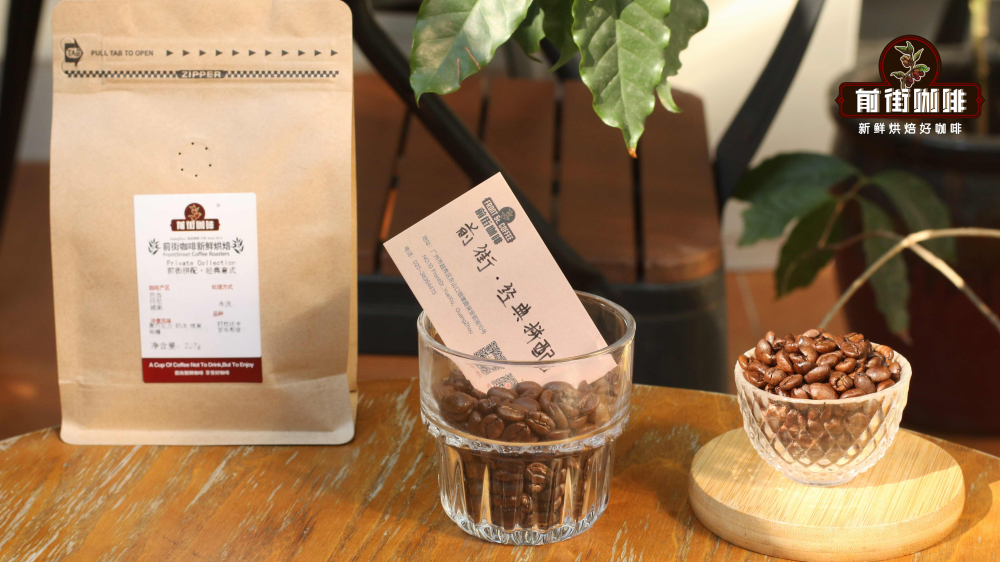
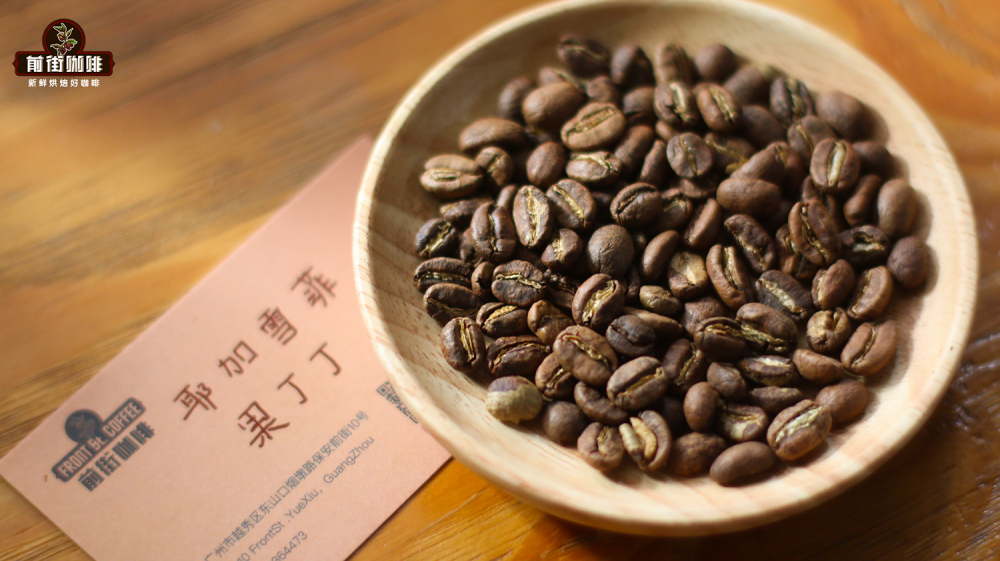
If you plan to try making cold brew coffee yourself, the first task is to select suitable coffee beans. Different roast levels will deliver vastly different flavor experiences: light roasts such as Kenya Little Tomato or washed Gu Ding Ding are ideal for those who enjoy bright acidity, sweetness, and a juicy profile; if you prefer coffee with fermentation aromas and wine-like notes, consider Colombian Shizu or Strawberry Sugar blends; if you’re into bold, full-bodied black coffee, medium-dark or dark roasts like Queen Estate or Golden Mandheling are better choices.
For beginners, here’s a simple and easy-to-follow set of cold brew parameters: it’s recommended to use Hua Kui coffee beans processed with the natural (sun-dried) method, which features distinct tropical flavors such as floral, berry, guava, dried mango, blueberry, and honey—perfect for those who enjoy fruity profiles. The coffee dosage can be adjusted to personal preference; it’s suggested to start with 80 grams, using a sugar-fine grind size with an 85% passing rate through a #20 sieve (equivalent to setting 9 on the Ek43 grinder). A recommended coffee-to-water ratio is 1:10, with a total water volume of 800 milliliters, using room-temperature water.
For the brewing steps, first pour the coffee grounds into a clean, sealable container, then slowly add 800 milliliters of room-temperature water, ensuring all grounds are fully saturated. Stir gently, then immediately seal the container and place it in the refrigerator for steeping. A recommended steeping time is 12 hours, during which you should avoid frequently opening the fridge to maintain temperature stability.
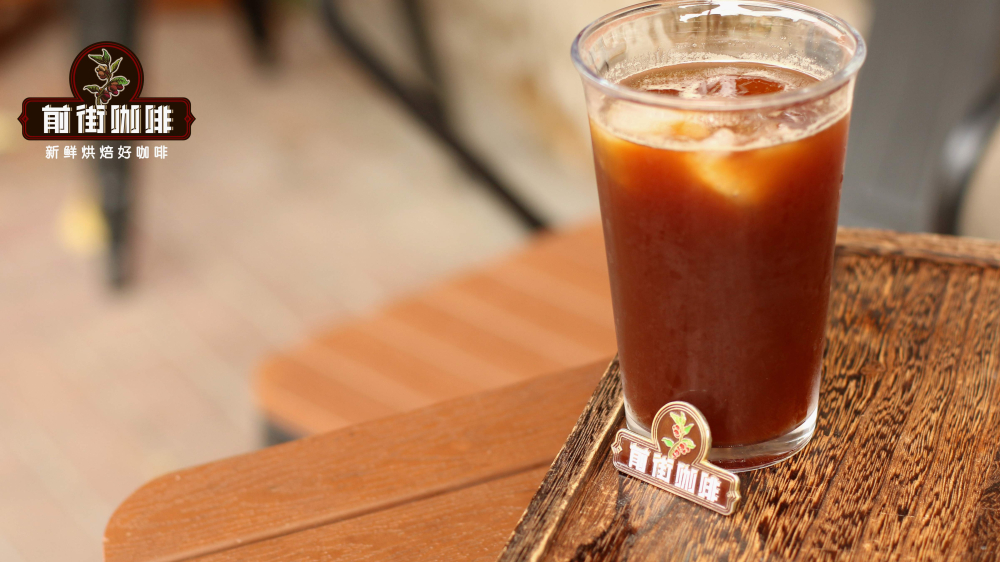
After steeping, filter the coffee liquid through paper or cloth to remove the grounds, and you’ll have a cup of cold brew with distinct flavors and a smooth mouthfeel. If you find the concentration too strong, you can adjust the taste by adding ice cubes or cold water. Cold brew coffee isn’t just great for quenching thirst in hot weather; its low acidity and mild bitterness also make it suitable for those not accustomed to traditional hot-brewed coffee.
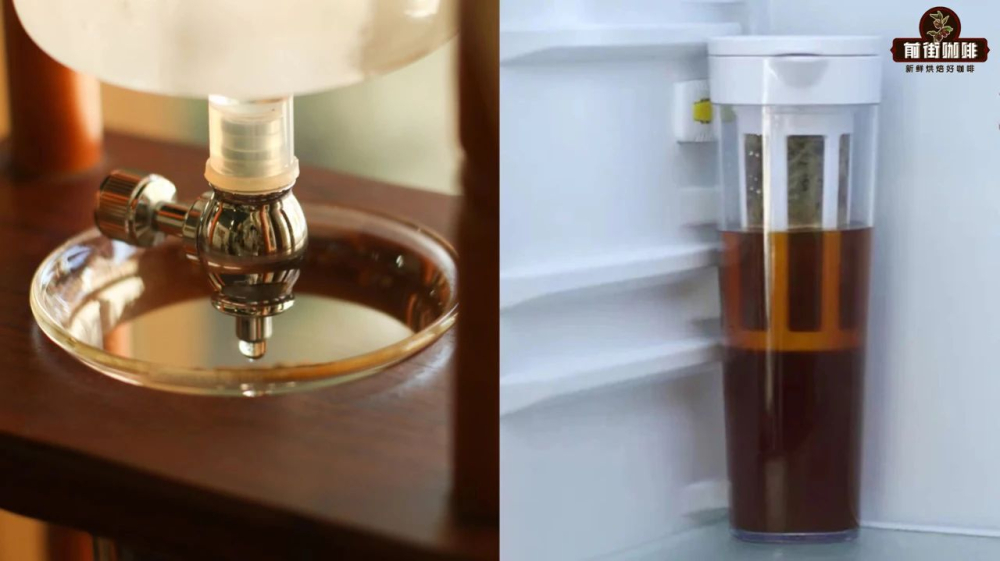
In summary, Americano on ice, cold brew, and iced drip each have their unique brewing logic and flavor characteristics. Americano on ice emphasizes efficiency and aroma concentration, making it ideal for a fast-paced lifestyle; cold brew stands out with its ease of use and gentle taste, making it a perfect choice for home brewing; while iced drip, though requiring specialized equipment, can showcase extreme detail and complexity. No matter which you choose, mastering bean selection and basic parameters will allow you to enjoy a satisfying cup of iced coffee in the summer.
The above content is compiled by CoffeeHunters, a coffee news website.


