







Introduction:For beginners just stepping into the world of coffee, facing a dazzling array of coffee bean packaging can often leave one unsure where to start. Choosing the right coffee beans isn’t just about the brand—it’s essential to consider key factors such as roast level, packaging information, origin flavor profiles, and roast date. This article will guide you in understanding how to select the coffee beans that best suit your personal taste preferences, while avoiding common purchasing pitfalls—helping you discover the true charm of coffee.
Many people who are new to specialty coffee often feel overwhelmed when faced with the dense professional terminology and flavor descriptions on packaging. After buying a pack impulsively and brewing it at home, they frequently find the taste is far from what they expected, or even deeply disappointing. But in reality, choosing coffee beans that suit you isn’t difficult—if you grasp a few key aspects: packaging information, roast date, origin, and roast level—you can effectively avoid mistakes and find coffee that truly matches your palate.
First, it’s recommended to start by observing the information and descriptions on the packaging. Most key details about the coffee—including origin, processing method, roast level, and roast date—are clearly indicated on the package. One important principle is: if you want to fully experience the complete flavor profile of the coffee, it’s best to choose whole beans rather than pre-ground coffee. Once coffee is ground, its surface area exposed to air increases dramatically, accelerating oxidation and causing aroma and flavor to deteriorate quickly. Therefore,try to choose whole beans,and use them immediately after grinding,
< >
to enjoy the freshest coffee flavor possible.Next, the focus shifts to the ‘roast date.’ Many people mistakenly think the ‘best-before date’ on coffee beans is the same as the optimal flavor window—but in fact, the two are very different. After roasting, coffee beans continue to undergo chemical reactions internally and release carbon dioxide produced during the roast, a process called “degassing.” During this degassing phase, the flavor of the coffee gradually peaks and then slowly declines. Generally speaking,the optimal flavor window for coffee beans is within 45 days after roasting,
after which the flavor noticeably deteriorates.
Taking actual brewing scenarios as examples: if you prefer pour over methods, it’s recommended to start using the beans around the 5th day after roasting—this is when the flavor and aroma are at their peak, and the sooner you drink it, the better. If you’re using an espresso machine, you can wait slightly longer, until around 7 to 9 days after roasting, to allow the beans more time to stabilize. And if you want to try cold brew, you can opt for beans from a later stage—the flavor will be smoother. Of course, these are all reference points; the most important thing is to experiment multiple times to find the timing you personally prefer.
Then there’s the crucial factor of ‘origin.’ The flavor of coffee is profoundly influenced by natural conditions such as altitude, soil type, rainfall, and sunlight duration. The main global coffee-producing regions lie between the Tropic of Cancer and the Tropic of Capricorn, commonly known as the ‘coffee belt.’ If the packaging doesn’t indicate the origin, or if the staff can’t clearly explain where the beans come from, you might want to reconsider purchasing. Understanding the flavor characteristics of different regions is a key basis for selecting coffee beans.
<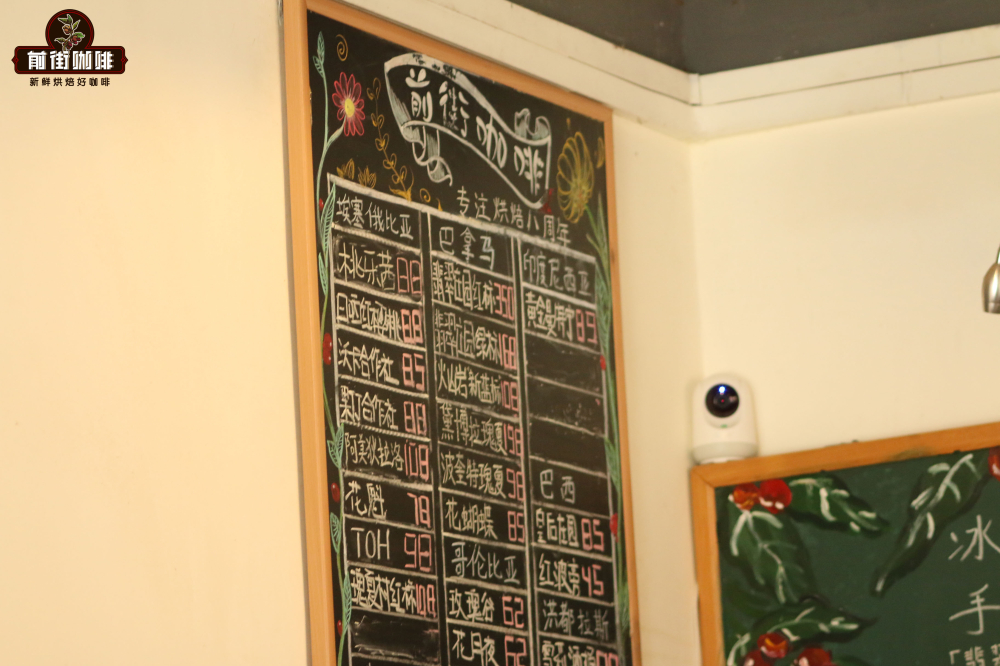 >
For example, Colombian coffee often has sweet notes of chocolate and nuts; Costa Rican beans are known for their gentle and sweet profile; Indonesian Mandheling typically exhibits rich spicy tones, while Brazil’s Cerrado region is characterized by low acidity with nutty and caramel flavors. As for Ethiopia’s Yirgacheffe, it’s famous for its bright citrus and floral notes, while Kenyan beans often have a fruity acidity akin to berries. Starting your exploration with these well-known origins can help you gradually build up a sense of flavor and identify which types of origins suit your palate best.
Finally, and most critically: the ‘roast level of the coffee beans.’ Even with the same batch of green coffee beans, different roasting techniques can yield vastly different flavor profiles. In general, roast levels can be divided into three main categories: light, medium, and dark.Light roast
coffee beans are roasted for a shorter period, with a lighter, greener appearance. They feature pronounced and lively acidity, extremely low bitterness, and are highly suitable for extraction methods like pour over or cold brew. You can try lightly roasted beans such as the washed-process Gu Ding Ding or the natural-process Hua Kui to experience their bright and refreshing flavor layers.Medium roast
beans have a warm caramel color. Their acidity is significantly reduced, bitterness begins to emerge but balances well with sweetness, resulting in a rounded, smooth profile with caramel and chocolate aromas. This is the most versatile and popular roast level, suitable for pour over, moka pot, or home coffee machines. It’s recommended to try medium-roasted beans such as Strawberry Candy or Queen’s Estate, ideal for everyday drinking.Dark roast
<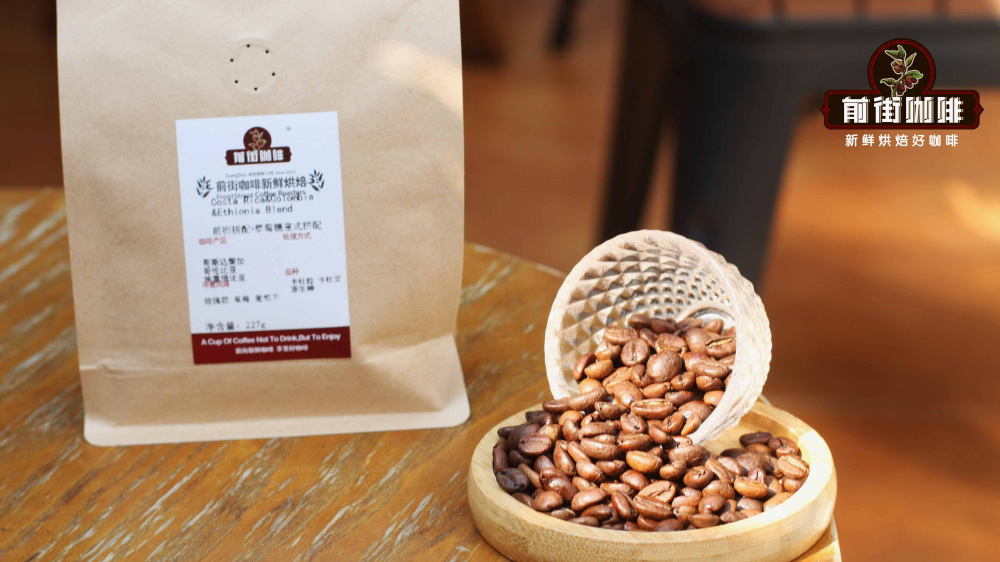 >
coffee beans are dark black in color with an oily surface. Acidity is almost gone, with bitterness taking center stage, making them suitable for strong espresso. If you enjoy intense flavors and a full body, you can choose medium-dark roasted beans like Golden Mandheling or Classic Italian Blends—these beans showcase rich caramel and chocolate notes under high-temperature extraction.
The above content is compiled by CoffeeHunters, a coffee news website.


