







Introduction:Want to brew a pour over coffee with distinct layers and vibrant aromas? Mastering the V60 three-stage pouring technique is key. This article systematically explores the complete pour over process—from equipment selection, water quality, and temperature to coffee-to-water ratio—and dissects the operational details of the V60 dripper’s three-stage pouring. Using Panamanian Boquete washed Geisha as an example, it guides you through the entire process from blooming to dripping, using precise pouring rhythms to bring out the coffee’s floral-fruity notes and rich layered profile.
The charm of pour over coffee lies in transforming the terroir characteristics of coffee beans into cup flavors through precise control. To consistently produce a clean, bright, and layered pour over, mastering the V60 dripper’s three-stage pouring technique is essential. The following will start with basic equipment preparation and gradually explain key parameters and operational details to help you systematically master professional-level pour over brewing.
First, gather the basic equipment: freshly roasted coffee beans, filtered or spring water, a gooseneck kettle with a fine spout, a V60 dripper, a server, a grinder, an electronic scale, and a thermometer. Beyond the equipment, mindset is equally important—a relaxed and focused state can make the brewing process smoother.
The freshness of coffee beans directly affects flavor performance. According to roasting experience, coffee beans are at their optimal tasting window between the 4th and 30th day after roasting, when aromatic compounds and flavor substances are most active. It’s recommended to choose beans shipped within 5 days of roasting to ensure they still retain rich aromas upon arrival.
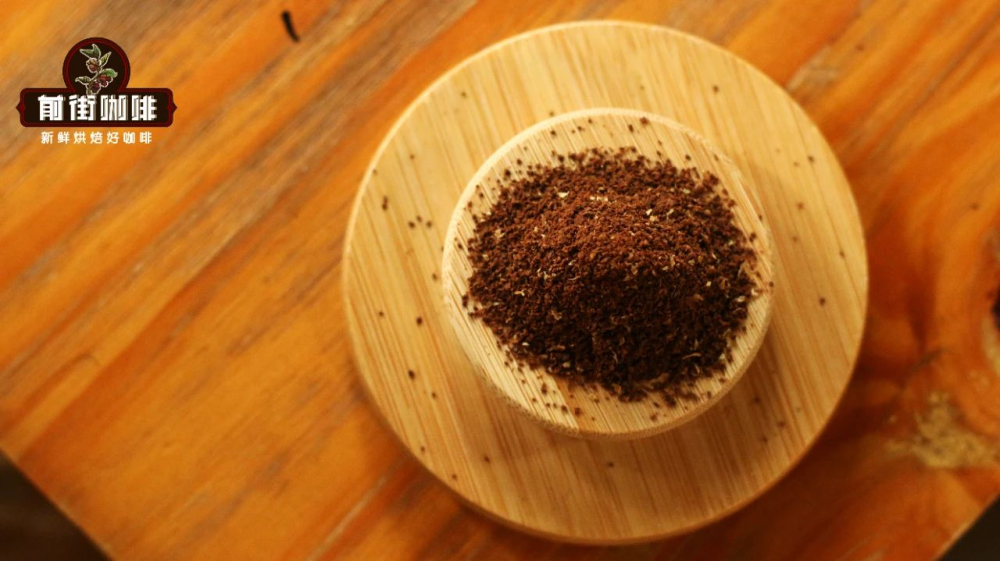
Grind size should be adjusted according to roast level: medium-light to medium roasts suit medium-fine grind (similar to the texture of fine sugar, with a 75%-80% passing rate through a standard #20 sieve), which fully highlights acidity and fruity-floral notes; medium-dark to dark roasts are better with medium-coarse grind (close to coarse white sugar, with a 65%-70% passing rate), to avoid over-extraction and bitterness. Note that different grind sizes for the same bean can completely change the pouring strategy.
Water quality is often overlooked but extremely critical. Soft water (like purified water) lacks mineral buffering, which can lead to thin flavors; hard water (like tap water) may amplify astringency. Filtered water or spring water is recommended to avoid water types with extreme mineral content. If unsure about water quality, balanced bottled waters like Nongfu Spring are safe choices.
For beginners, a gooseneck kettle with a fine spout is recommended for precise control over water flow speed and landing point. The V60 dripper, with its large hole and spiral flow-guiding ridges, effectively regulates flow rate and enhances layering, making it a classic choice suitable for both beginners and advanced brewers. Ensure the server has good heat and cold resistance to avoid cracking due to temperature differences.
Precise measurement is the foundation of consistent results: use an electronic scale to monitor coffee grounds (typically 15 grams) and water volume (e.g., 225 grams), and a thermometer to ensure water temperature matches the beans’ profile. Medium-light roasts are best at 90-92°C, medium-dark roasts at 87-89°C—too high risks burnt bitterness, too low leads to dull acidity. A 1:15 coffee-to-water ratio (e.g., 15 grams of coffee to 225 grams of water) is the golden balance between concentration and flavor, ensuring sufficient extraction without being overly intense.
The three-stage pouring method is the most practical segmented extraction technique. Taking the classic combination of 15 grams of coffee and 225 grams of water as an example: the first stage involves pouring 30 grams of water for a 30-second bloom, gently and evenly wetting all coffee grounds to activate aromatic compounds; after a 10-second pause, the second stage pours water up to 125 grams (total 155 grams) with slightly more flow, raising the coffee bed vertically and steadily; when the liquid level drops to about half, the third stage switches to a smaller stream, pouring the remaining 95 grams up to 225 grams in small circles, controlling flow rate to avoid disrupting the coffee bed structure. The entire process takes about 2 minutes, fully showcasing the coffee’s clarity and layered profile.
Taking Panamanian Boquete washed Geisha as an example, this bean is known for its rich floral notes, citrus tones, and black tea finish. Using a V60 dripper, water temperature of 91-92°C, and fine-sugar grind (80% passing rate through a #20 sieve), follow the above three-stage pouring method: the first 30 grams of water bloom awakens the beans, the second 100 grams build a rich base, and the final 95 grams refine delicate flavors. The resulting coffee offers white jasmine aromas, bright lemon acidity on the palate, accompanied by caramel sweetness and bergamot notes in the finish, revealing even more green-tea-like freshness as it cools.
Common mistakes to avoid: excessive water flow during blooming can disrupt the coffee bed; too high pouring in the second stage may cause channeling; overly aggressive flow in the third stage can imbalance extraction. Practice to stabilize water flow and fine-tune parameters based on actual flavor feedback. Remember, the essence of pour over is dialoguing with the coffee—observing flow rate, sniffing aromas, and tasting changes to find your optimal extraction recipe.
The above content is compiled by CoffeeHunters, a coffee news website.


