








Introduction:This article delves into the multi-layered flavor characteristics of Costa Rica Mozart coffee, exploring the origin story behind the Musician Series and how Finca Canet achieves rich fruity aromas and delicate sweetness through its raisin honey process. The article details the unique steps and technical challenges of this processing method, and provides professionally recommended brewing parameters—including water temperature, grind size, and a three-stage pouring technique—to help readers precisely capture the sweet fruitiness and clean acidity of this medium-light roasted coffee.
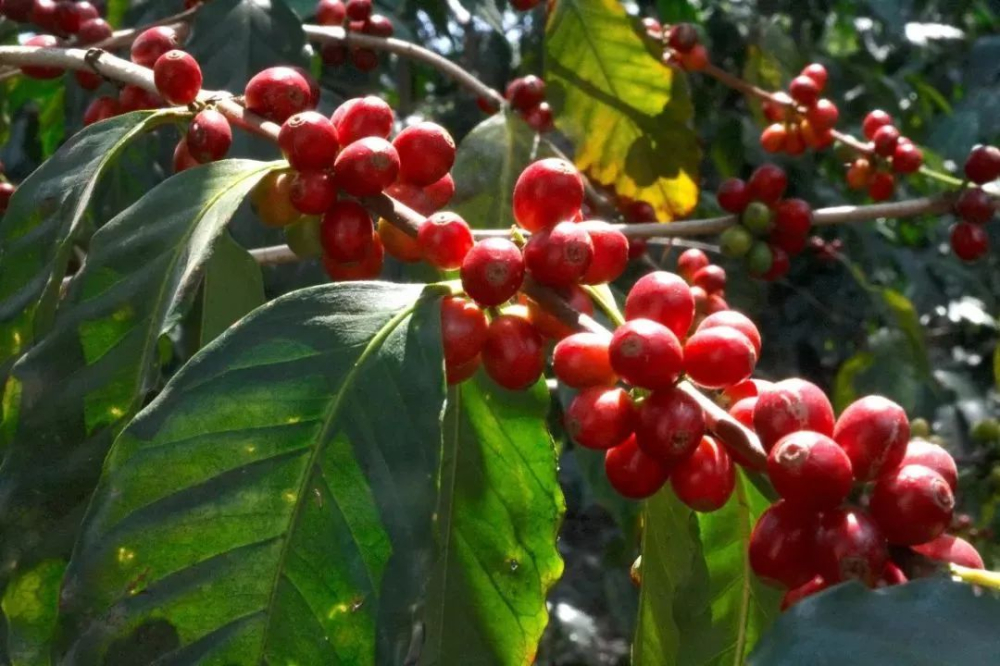
Costa Rica Mozart coffee belongs to the highly acclaimed Musician Series, widely praised for its captivating floral notes and distinctly recognizable dried fruit sweetness. This coffee originates from Finca Canet, the highest-altitude farm in the Tarrazú region, an area known for its pleasant climate and fertile soil, and recognized as one of Costa Rica’s premier high-quality coffee producing areas. The farm employs the honey process and names its products after classical musicians, with Mozart being one of its most iconic offerings.

The Musician Series was born at Finca Canet in Costa Rica’s Tarrazú region, which is not only a renowned coffee-growing area but also an important hub for local fruit cultivation. Thanks to its high altitude, excellent sunlight, and well-drained soil, Tarrazú has long been hailed as Costa Rica’s top-tier coffee-growing zone. Operated jointly by three families with over a decade of coffee production experience, Finca Canet focuses on the honey process to create a range of uniquely flavored coffee beans.
The farm also grows various fruits such as passionfruit, while coffee trees are planted in designated sections for easier management. Every December, when the coffee cherries reach maturity, farm workers hand-pick them and send them to a nearby small wet mill for further processing. The farm owner, a lover of classical music—especially the Romantic era—named the coffees after musical masters such as Bach, Beethoven, Mozart, and Chopin, each showcasing the distinct traits of different processing methods.
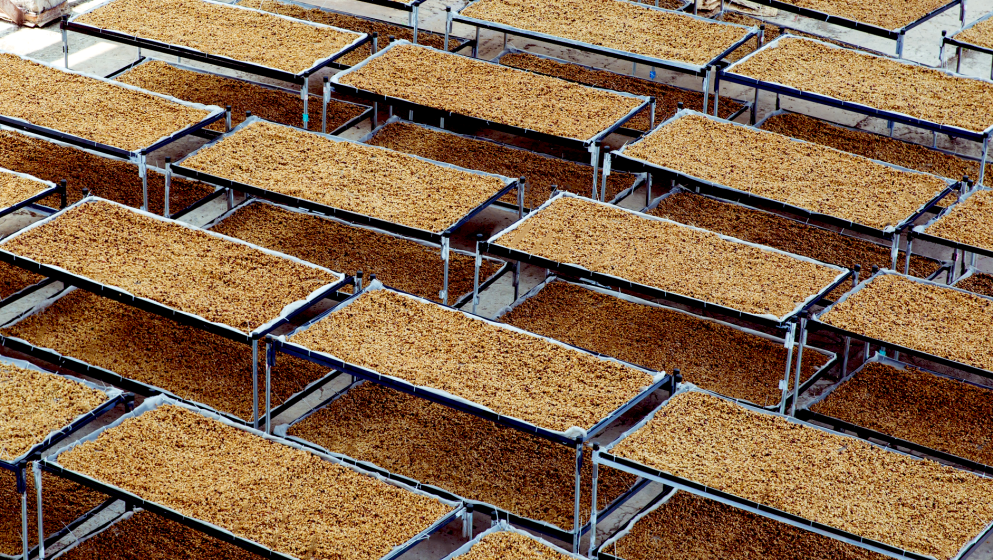
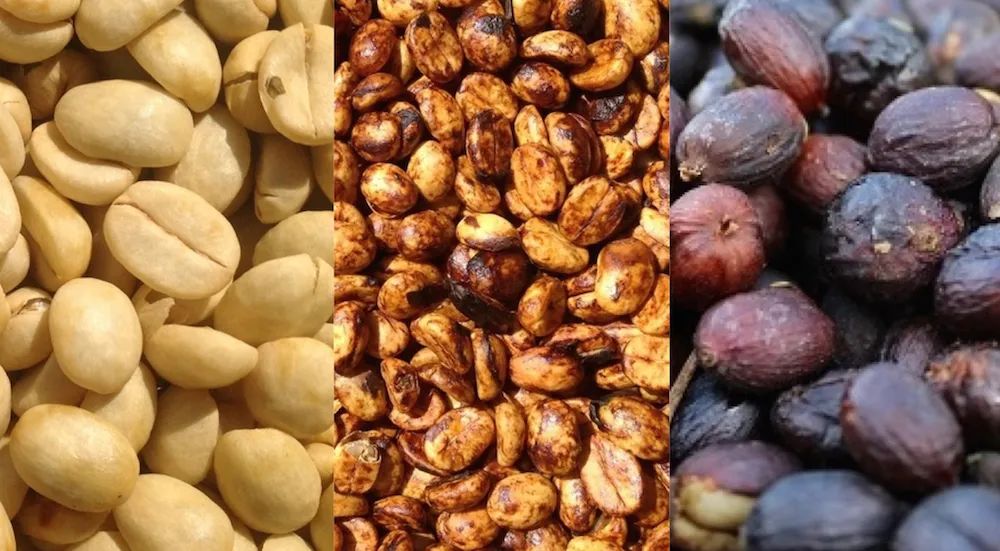
The raisin honey process is actually an innovative fusion of the honey process and the natural sun-drying method. Typically, the honey process involves removing the outer skin and retaining some mucilage for fermentation, whereas the raisin honey process takes this further by drying the entire coffee cherry until it shrivels like a raisin, usually turning a purplish-black color. This process can be carried out in either anaerobic or aerobic conditions, and only after the fruit’s moisture content has significantly decreased is the pulp removed and fermentation continues. Because this method requires precise control over the fermentation rhythm—too fast or too slow can negatively affect the final flavor—it demands a high level of technical skill and experience. Coffee processed this way often exhibits richer tropical fruit aromas, a clear sense of sweetness, and a soft, balanced acidity.
A certain coffee brand chose a medium-light roast for this Mozart coffee to preserve more of its innate fruity acidity and delicate floral notes. Cupping results show that this coffee emits intense osmanthus and dried fruit aromas in the dry stage, and gradually reveals the scents of grapes and berries as darker fruits once water is added. Upon tasting, one can perceive layers of sweet orange, raisins, and berries, accompanied by a slight fermentation note, while the aftertaste leaves a refreshing and lingering impression reminiscent of rose tea.
In terms of brewing, water temperature and grind size are crucial to fully bringing out the sweet characteristics of Mozart coffee. When using an EK43s grinder, it is recommended to set the grind size between 9.2 and 9.5, corresponding to a sieve percentage of about 75–80%. This range ensures an appropriate extraction rate for medium-light roasted coffee, avoiding under-extraction due to overly loose beans. If using other grinders, aim for a similar grind coarseness, with the goal of allowing water to steadily penetrate the coffee bed and extract the full flavor profile.
As for water temperature, medium-dark roasts are generally recommended to be brewed at 87–90°C, while lighter roasts require slightly higher temperatures of around 91–93°C to fully activate their aromatic compounds. For a coffee like Mozart, which features delicate and rounded flavor notes, a water temperature of 90°C is advised. This helps avoid excessive bitterness from over-extraction while allowing the fruit and floral notes to shine optimally.
It is recommended to use 15 grams of coffee grounds with a 1:15 coffee-to-water ratio, resulting in a total brew water volume of 225 grams. This ratio helps balance concentration and flavor complexity. Below is the recommended three-stage pouring process:
First, thoroughly wet and attach the filter paper to the filter cone. Place 15 grams of ground coffee into the filter and tare the scale. The first step is to pour 30 grams of hot water for the bloom phase, lasting 30 seconds. Use a gentle stream, circling slowly from the center outward, ensuring all coffee grounds are evenly saturated. At this point, you may observe the coffee bed puffing up slightly, indicating degassing.
After 30 seconds, proceed to the second pour: steadily add 100 grams of water, aiming for a total of 130 grams by around 55 seconds. Maintain a vertical and even water stream to help uniformly lift the coffee bed. When the liquid level begins to drop and is about to expose the coffee bed, begin the third pour: use a small stream to carefully circle and add 95 grams, bringing the total water volume to 225 grams. Control the water flow to avoid overflowing the coffee bed edges, which could lead to uneven extraction. The overall brew time should be kept around 1 minute and 50 seconds. After brewing, give the coffee a gentle swirl to enjoy its full flavor expression.
The above content is compiled by CoffeeHunters, a coffee news website.


