







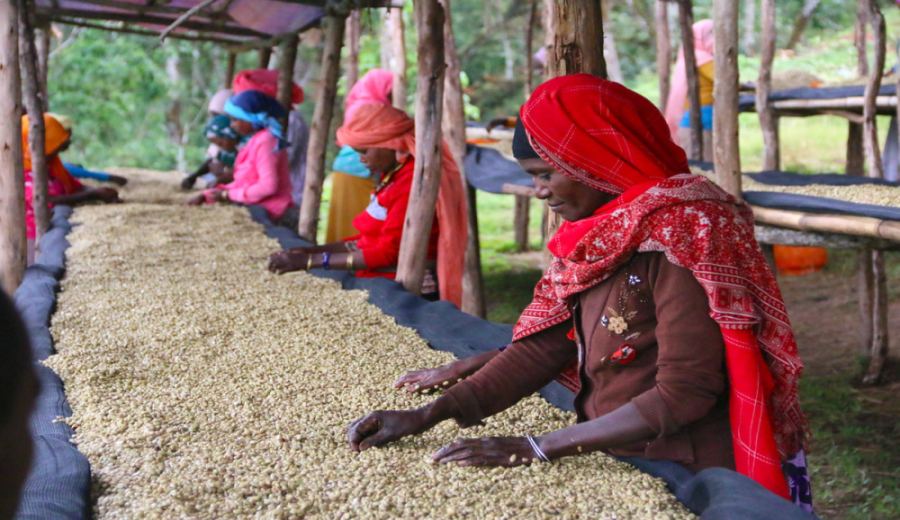
Introduction:As Ethiopia’s most iconic specialty coffee region, Yirgacheffe is renowned for its distinctive citrus acidity and jasmine-like flavor profile. This article delves into the region’s geographical conditions, the genetic background of its native coffee varieties, the evolution of washed and natural processing methods, and provides a detailed breakdown of pour over brewing parameters and flavor characteristics—helping coffee enthusiasts fully grasp the charm of this classic bean from origin to cup.
Yirga Cheffe is a small town in eastern Ethiopia situated at an altitude of 1,800 to 2,000 meters. Its name means “settled marshland” in the local language. The coffee beans produced here are celebrated globally among specialty coffee aficionados for their bright lemon acidity, delicate floral notes, and citrus and honey undertones. As part of the Sidamo region, Yirgacheffe’s unique volcanic soil and monsoon climate give rise to a truly distinctive coffee flavor.
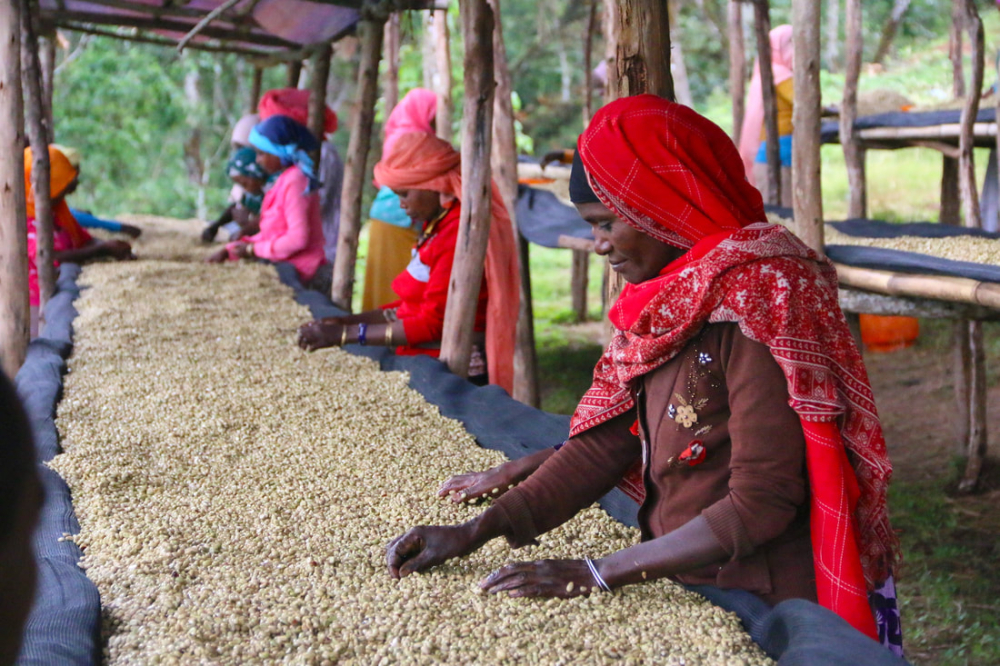
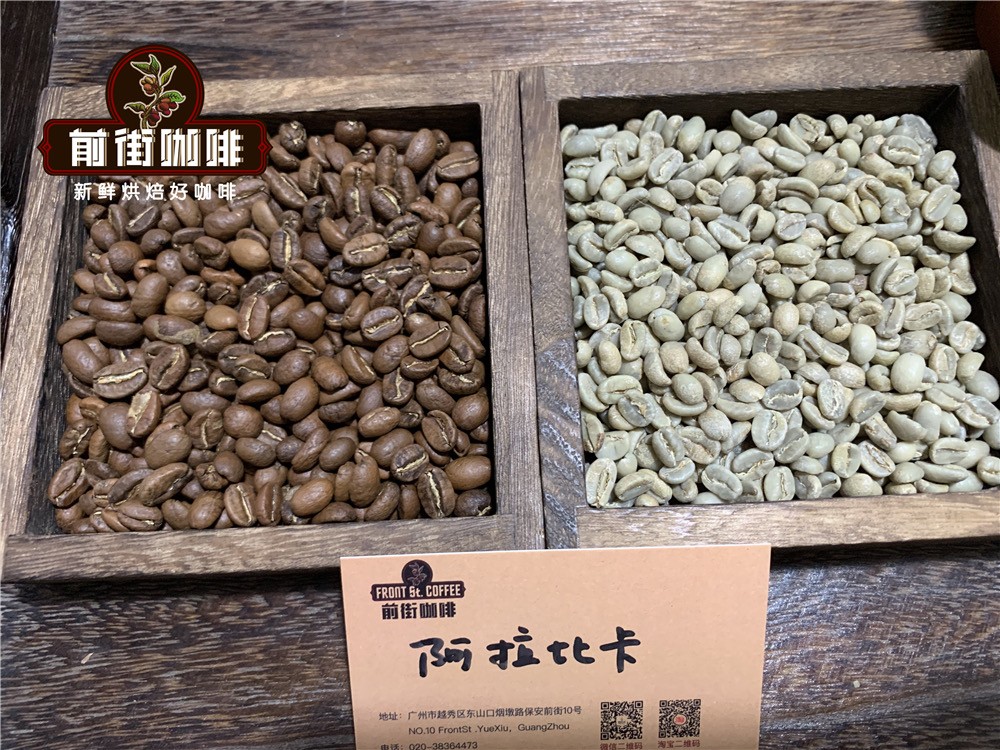
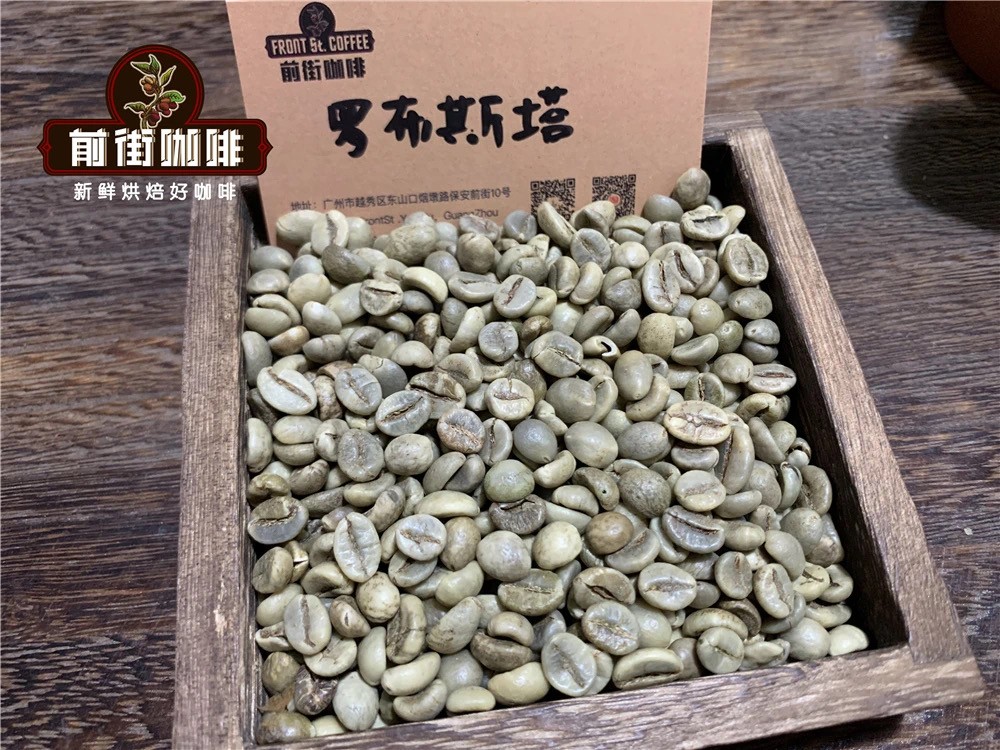
Ethiopia is recognized as the birthplace of Arabica coffee and is home to thousands of natural coffee varieties, most of which have not yet been scientifically classified. Due to the vast number of varieties and extremely high genetic diversity, locally exported coffee beans are often collectively referred to as "Heirloom" native varieties. These native varieties typically exhibit intense fruity and floral aromas, with small bean sizes and a roundish appearance, usually measuring between 14 and 15 screens—clearly distinguishing them from beans of other regions.
Arabica coffee is the world’s predominant coffee species, accounting for approximately 70% to 80% of the market. These coffee trees have relatively low resistance to pests and diseases, grow slowly, and thrive at altitudes above 500 to 1,500 meters, with higher altitudes generally yielding more complex flavors. Arabica beans are slender and flat with an S-shaped center cut, in stark contrast to the rounder appearance of Robusta beans. Due to variations in climate, soil, and other environmental factors, even the same variety can display markedly different flavor profiles across different regions.
Within the Arabica family, Typica and Bourbon are the two most historically significant varieties. Typica is considered Ethiopia’s oldest native variety, characterized by its long, elegant beans and refined flavor, though it has relatively low yields. Bourbon is famed for its rich aroma and higher productivity, with rounder beans commonly found in Central and South America as well as parts of Africa. These two varieties spread from Ethiopia to Yemen and then across the globe, laying the foundation for modern Arabica coffee cultivation.
Coffee cultivation in Yirgacheffe is often intercropped with other crops, with yields averaging between 200 and 700 kilograms per hectare, accounting for about 50% of Ethiopia’s total output. The region’s distinct wet and dry seasons, combined with the influence of Indian Ocean monsoons, imbue the coffee beans with delicate fruitiness and vibrant acidity. Unlike regions such as Sumatra with their stable tropical climates, Yirgacheffe’s pronounced seasonal changes contribute to more layered and dynamic coffee flavors.
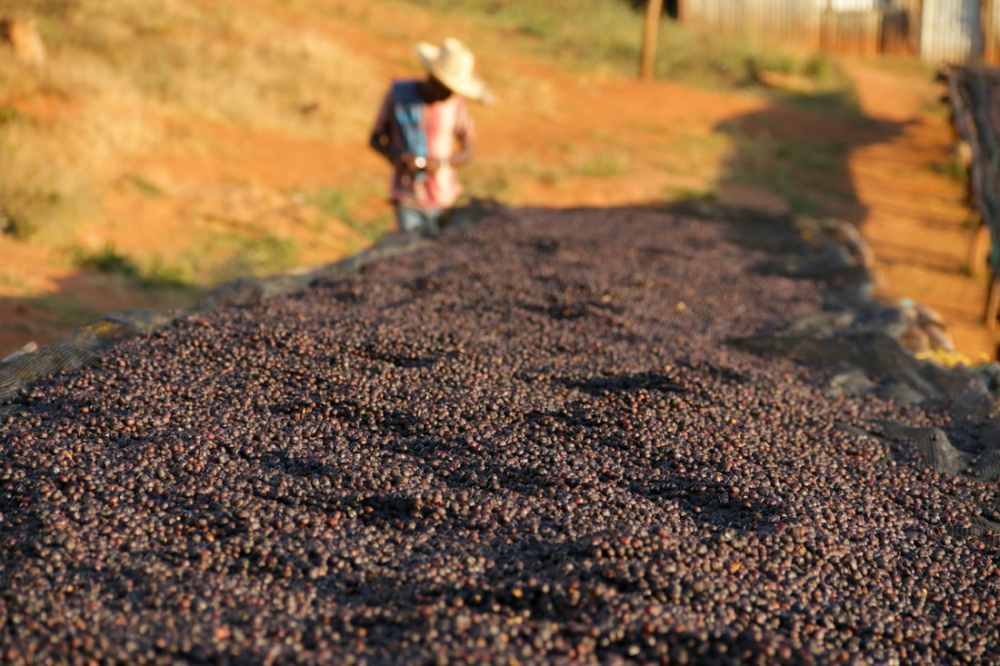
Traditionally, Yirgacheffe coffee was processed using the natural method, but early techniques often resulted in off-flavors due to technical limitations. In 1972, Ethiopia adopted washed processing techniques from Central and South America, significantly enhancing the coffee’s clarity and aroma expression, making its jasmine floral notes and citrus tones more prominent. Today, Yirgacheffe’s washed beans have become a benchmark in specialty coffee, while its natural-processed red cherries showcase intense berry and fermented wine notes, offering a bolder flavor profile.
In terms of brewing, Yirgacheffe benefits from higher water temperatures and finer grind sizes to fully highlight its fruit acidity and floral notes. A V60 dripper is recommended, with a water temperature of around 90°C, a brew ratio of 1:15, 15 grams of coffee, and a grind size passing 80% through a Chinese No. 20 sieve. Begin with a 30-second bloom using twice the coffee weight in water (about 30 grams) to release CO₂, then proceed with small pours to reach 125 grams and 225 grams in stages, for a total brew time of about 2 minutes. These parameters balance acidity and sweetness, bringing out refreshing notes of lemon, honey, and black tea in the finish.
In terms of flavor, washed Yirgacheffe is celebrated for its bright lemon acidity, citrus aroma, and malty, tea-like body, making it ideal for those who prefer a clean, crisp taste. The natural-processed version, on the other hand, exhibits a complex profile of berries, strawberries, and fermented wine notes, with a richer overall flavor. Regardless of processing method, Yirgacheffe showcases the unique allure of Ethiopian coffee.
It’s important to note that coffee bean freshness has a tremendous impact on flavor. It’s recommended to choose beans roasted within 5 days and to consume them after 4 to 7 days of resting post-roast for optimal flavor expression. If purchasing pre-ground coffee, brew it as soon as possible to avoid aroma loss due to oxidation. Grinding and brewing fresh is the best way to preserve the original flavor of Yirgacheffe and fully appreciate its qualities.
The above content is compiled by CoffeeHunters, a coffee news website.


