







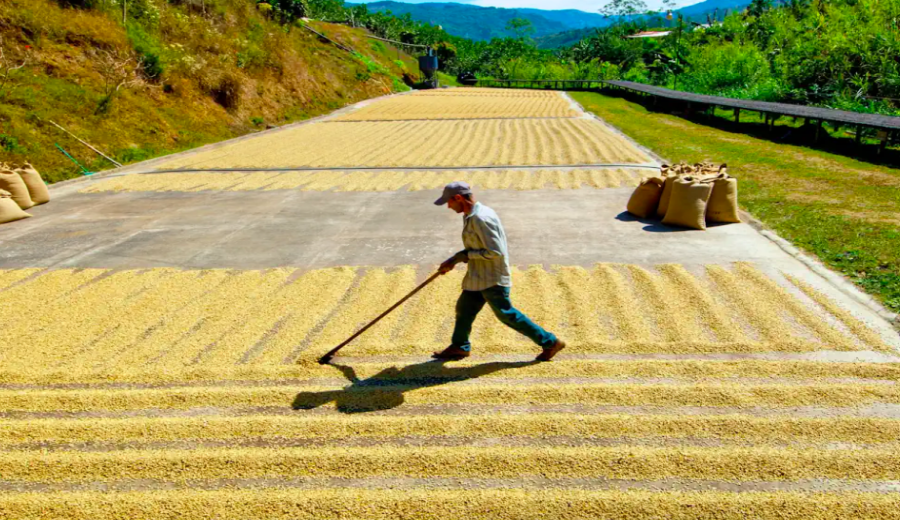
Introduction:As the world’s largest coffee-producing country, Brazil’s beans are commonly found in commercial espresso drinks yet often overlooked in terms of nuance. This article delves into the characteristics of Brazil’s major coffee-growing regions, analyzes how local processing methods influence flavor, and recommends two representative single-origin beans tailored for both pour over and SOE extraction needs—suitable for beginners to advanced enthusiasts alike—to help you master the essentials of selection and brewing.
When it comes to major coffee-producing nations, Brazil is undoubtedly the unrivaled leader. This South American country, famed for football and samba, is also the world’s top exporter of coffee and is often hailed as the “coffee giant.” No matter what type of espresso you’re drinking, there’s a good chance it contains Brazilian coffee beans. So, what key flavor characteristics should truly representative Brazilian coffee possess?
If you want to enjoy high-quality Brazilian coffee, in addition to paying attention to roasting techniques,freshnessis equally crucial. It’s recommended to choose beans roasted within five days to best preserve their aroma and complexity. Moreover, selecting the right brand is vital—only stable, quality-controlled roasters can ensure that every cup you enjoy truly showcases the authentic charm of Brazilian coffee.
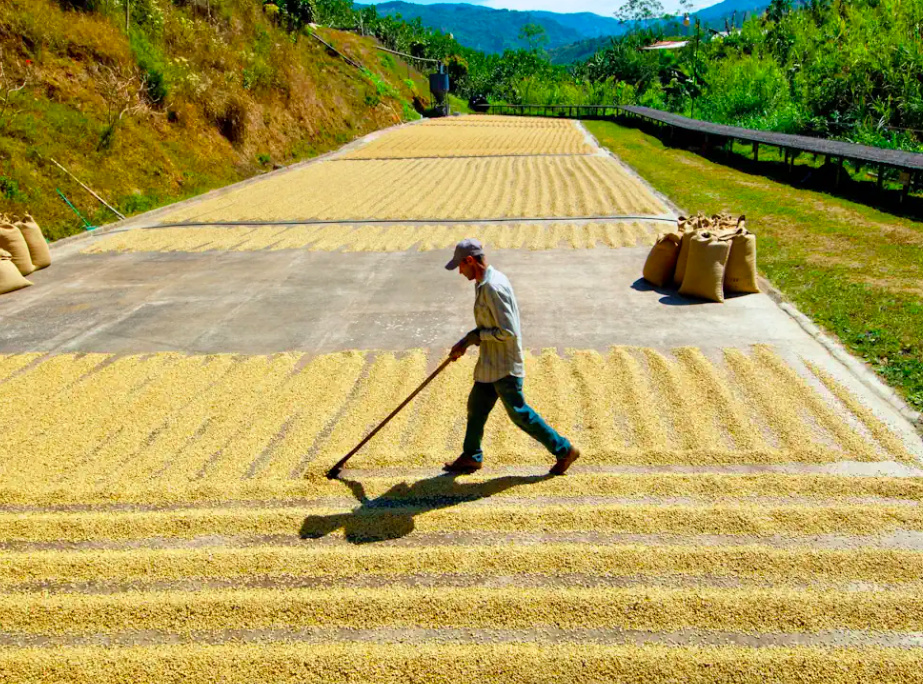
Among Brazil’s many coffee-growing regions, each area, due to differences in altitude, climate, and processing methods, produces distinctly unique flavor profiles. Understanding these regional characteristics helps you make more precise purchasing decisions. Whether you’re just starting out or already an experienced coffee enthusiast, you’ll be able to find the one that suits you best.
First, let’s introduce a classic choice ideal for coffee newcomers: a single-origin bean from Brazil’s Cerrado region. This area sits at an altitude of around 1,000 meters and primarily grows the Red Bourbon variety, using the honey processing method. Its flavor profile typically features pronounced nutty notes, complemented by aromas of chocolate, cream, peanuts, and caramel. The overall mouthfeel is smooth and layered with clear distinction, making it highly suitable for both pour over and moka pot brewing—an excellent entry point for getting to know Brazilian coffee flavors.

For more advanced enthusiasts already familiar with the basics of coffee flavor, you can further challenge your palate with the Queen’s Estate coffee beans from Brazil’s Mogiana region. These beans come from Fazenda Rainha estate, managed by Regina Helena Mello de Carvalho Dias of the Carvalho Dias family. Grown at altitudes ranging from 1,400 to 1,950 meters and of the Yellow Bourbon variety, they are also processed using the honey method. Compared to typical Brazilian beans, these offer even more delicate flavors, often described as chocolate, nuts, caramel, sugarcane, and tropical fruits. The cup is clean and bright, making it well-suited for pour over, moka pot, and even SOE single-origin extraction—fully showcasing its unique terroir character.
In summary, the charm of Brazilian coffee lies not only in its massive production volume but also in the diverse flavors cultivated by each region according to its specific conditions. Whether you’re looking for a reliable everyday bean or aiming to explore the layers of single-origin coffee in depth, you can start by understanding regional characteristics and processing methods, paired with suitable brewing techniques, so that every cup becomes a delight for the palate.
The above content is compiled by CoffeeHunters, a coffee news website.


