







Introduction:Many pour over single-origin coffee enthusiasts often wonder: "Can this fruity and floral bean be used to make espresso?" In fact, turning a single-origin bean into an SOE (Single Origin Espresso) is not out of the question, but it does require adjustments in both roasting and extraction. This article delves into the differences between SOEs and regular blends, using a naturally processed Ethiopian Yirgacheffe as an example to explore the characteristics of single-origin beans suitable for SOE, as well as practical advice from bean selection to extraction.
Many coffee lovers, after tasting the bright and layered flavors of pour over single-origin coffee, have had the thought: "Could this bean also be used for espresso?" The answer isn’t simply yes or no. Though SOE (Single Origin Espresso) also uses beans from a single origin, its requirements for roast profiles and extraction settings are far more stringent than those for typical pour over, and quite different from common dark-roasted blends.
In the past, most coffee shops aimed for intense and stable flavors by using dark-roasted blends for espresso. By blending beans from multiple regions and applying high-temperature roasting, they created coffee with rich notes of nuts, chocolate, and caramel—bold in bitterness yet balanced in flavor. However, with the rise of specialty coffee culture, more and more consumers began to seek unique regional flavor expressions, and single-origin coffee gradually shone in the pour over scene. It wasn’t until 2007, when James Hoffmann won the World Barista Championship using single-origin beans, that the concept of SOE started to gain popularity, and many cafés began offering single-origin espressos as an option for customers.
But many people mistakenly believe that simply switching a single-origin bean originally used for pour over to an espresso machine will yield a standout SOE. That’s not the case. Regular blends, due to their fusion of flavors from different regions and darker roast levels, often result in more rounded and stable flavors after extraction. In contrast, single-origin beans are usually roasted lighter to highlight regional characteristics, preserving more acidity and delicate floral notes. If extracted under the high pressure of an espresso machine, these traits can easily be amplified, leading to overly sharp or overly intense espresso that fails to showcase the intended layers and balance of the origin.
Therefore, making an SOE is not just about picking a tasty pour over single-origin bean—it also depends on how the roaster balances the roast level. The goal is to bring out the origin’s characteristics without letting acidity or delicate aromas go out of control during extraction. For example, African beans like Ethiopian Yirgacheffe, which are known for their citrusy and lemony acidity, can emphasize bright fruitiness when lightly roasted, but may become overly dominant under high-pressure extraction. On the other hand, if roasted too dark, their delicate floral and fruity qualities may be masked, causing the SOE to lose its distinctive flavor identity.
Additionally, the extraction process is also key to the performance of an SOE. For baristas, lighter-roasted beans are generally denser. If the extraction time is too short, the water temperature too low, or the grind too coarse, under-extraction can occur, resulting in dull and uninteresting flavors. But if over-extracted, excessive bitterness and impurities can be released, making the coffee harsh and unpleasant to drink. Therefore, adjusting the right extraction parameters—including water temperature, grind size, brew ratio, pressure, and extraction time—is crucial. These variables need to be tested repeatedly based on the actual condition of the beans to find the optimal balance.
So, which single-origin beans are better suited for the challenge of making SOE? The foremost criterion is “freshness.” Once coffee beans are roasted for more than a month, their flavors gradually diminish, and they may even develop cardboard-like or woody off-notes, making it difficult to achieve excellent results regardless of the extraction method. It’s recommended to choose freshly roasted beans (ideally used within 5 to 14 days post-roast) from reliable sources. Fresh beans not only have vibrant flavors but can also fully express their potential during extraction.
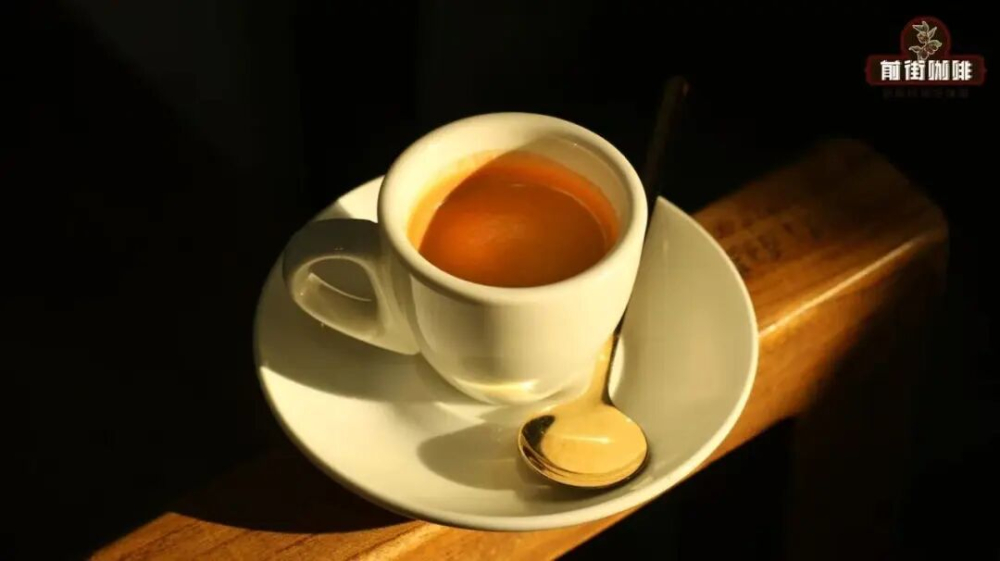
Take the naturally processed Ethiopian Yirgacheffe Red Cherry as an example. This bean is commonly seen in the pour over scene, known for using coffee cherries harvested at peak ripeness and naturally dried in the sun, allowing the sugars in the fruit pulp to fully penetrate the seeds and impart a rich sweetness and a spectrum of fruity aromas. When used to make SOE, if roasted properly—typically with a medium-light to medium roast—it can preserve its charming berry-like acidity and sweet finish. The resulting crema is fine and light golden in color, with distinct berry notes and soft acidity. When paired with hot milk, it can even showcase honey-like sweetness. The overall profile is clean and bright, making it one of the classic examples of transforming a single-origin bean into an SOE.
In summary, turning a single-origin coffee into an SOE is by no means as simple as just changing the brewing method. It requires precision at every step—from bean selection and roasting to extraction. Whether you’re experimenting with different espresso flavors at home or a coffee professional looking to expand your SOE offerings, understanding these key elements can help you better appreciate the unique charm of single-origin beans.
The above content is compiled by CoffeeHunters, a coffee news website.


