







Introduction:Drip bags combine the flavor of pour over coffee with the convenience of instant brewing, making them a daily favorite for many busy coffee enthusiasts. But with different filter bag materials and a wide range of products, beginners often don’t know where to start. This article takes an in-depth look at the characteristics of non-woven drip bag filters and suitable grind sizes, walks you through the standard brewing process, recommends several affordable entry-level flavors, and even includes a simple method for making iced coffee — helping you easily master this convenient and flavorful brewing method.
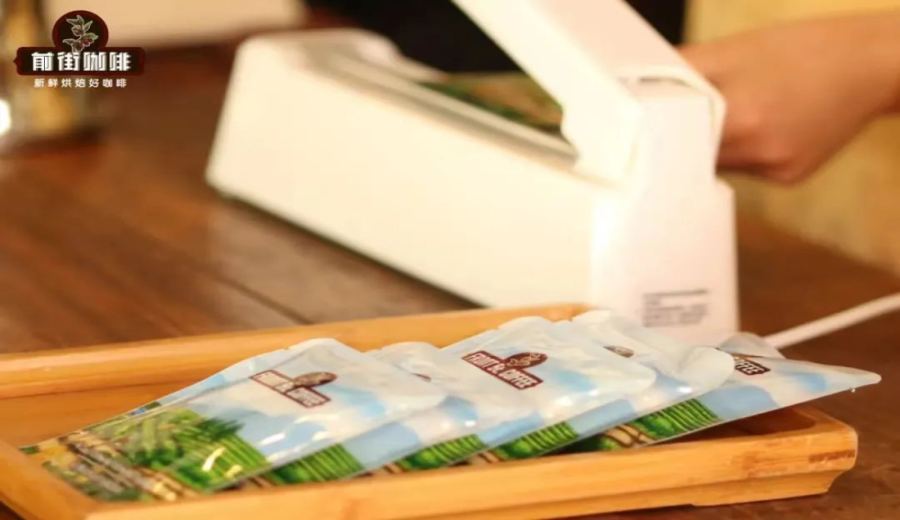
The charm of drip bag coffee lies in how it retains the rich layers of pour over coffee while eliminating the need for complicated equipment and technical skills. Its basic composition is simple: freshly roasted coffee beans are ground into powder, sealed within specially designed filter bags, and when brewing, all you have to do is pour hot water to enjoy a coffee experience that’s close to pour over. Compared to instant coffee, drip bags preserve more delicate aromas and oils without leaving behind a lot of residue — making them an excellent choice for those who seek quality and value convenience.
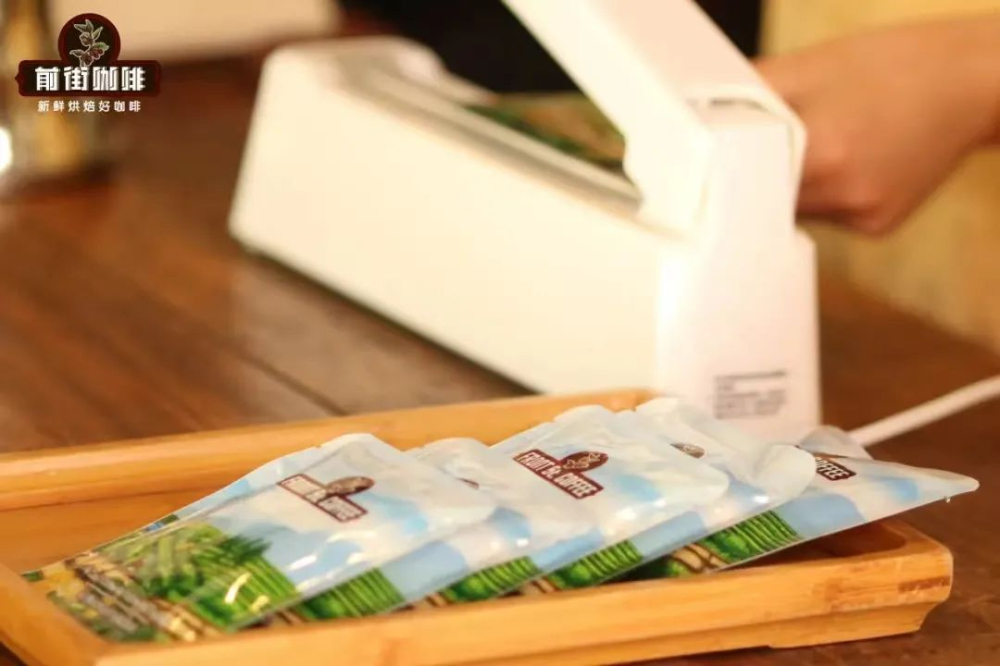
First, let’s understand the core of drip bag coffee — the filter bag material. The mainstream on the market uses biodegradable non-woven fabric, which features a fine mesh structure on the inner layer. This effectively filters out coffee grounds while maintaining a stable and even flow of coffee liquid. The properties of this material allow hot water to steadily extract aromatic compounds and oils from the coffee, creating a smooth extraction experience without compromising flavor. It’s important to note that due to the structural design, the suitable grind size is roughly similar to sugar granules; going too fine can lead to over-extraction and negatively affect the taste. In addition, there are also tea bag-like drip bag coffees on the market. While their brewing method is similar, the brewing time is usually longer, and they often use regular non-woven or gauze materials, resulting in flavor profiles that differ from professional drip bags.
For those just starting with drip bag coffee, it’s recommended to begin with affordable “staple-grade” products that offer clear flavor profiles, gradually getting familiar with your preferred flavor direction and grind compatibility. Here are several well-received entry-level recommendations on the market. Each has a unique flavor profile and suitable roast level, allowing you to choose based on personal preference:
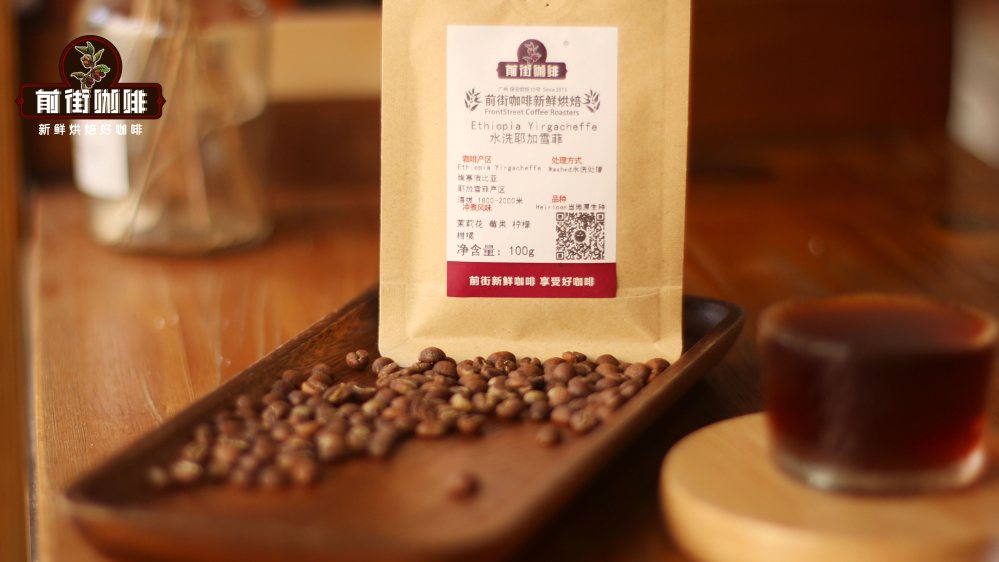
First up is a brand’s Yirgacheffe drip bag, known for its citrus, white floral, and delicate lemon notes — a bright, fruity acidic flavor that suits those who prefer a vibrant taste, with a medium-light roast. Next is a brand’s Brazilian Cerrado drip bag, featuring a strong base of toasted bread combined with chocolate and creamy peanut aromas. The overall flavor is round and balanced, with a medium roast — ideal for those who enjoy warm, nutty profiles. If you prefer a bold and robust taste, a brand’s Indonesian Mandheling drip bag is a great choice. It offers distinct layers of caramel, herbal, and spice notes, representing a dark roast and catering to drinkers who seek intense flavors. For lovers of fruity and vibrant profiles, try a brand’s Huakui drip bag coffee, showcasing tropical fruit flavors such as cream strawberry, citrus, guava, and mango — also a medium-light roast, with a fresh and lively taste. Lastly, we recommend a brand’s Yunnan Peaberry drip bag, centered around brown sugar, nuts, plum, and black tea, with a mild acidity — suitable for consumers who aren’t used to strong sourness, with a medium roast.
Drip bag coffee isn’t only for hot drinks — it can also be transformed into a refreshing iced coffee. However, be aware that pouring regular hot-brewed coffee directly over ice often results in diluted and bland flavors due to rapid cooling. To make a flavorful iced drip bag coffee, you’ll need to slightly adjust your brewing strategy. The tools required are very simple: ice cubes, a tall glass, hot water, and a drip bag coffee pack — an electronic scale is helpful but optional.
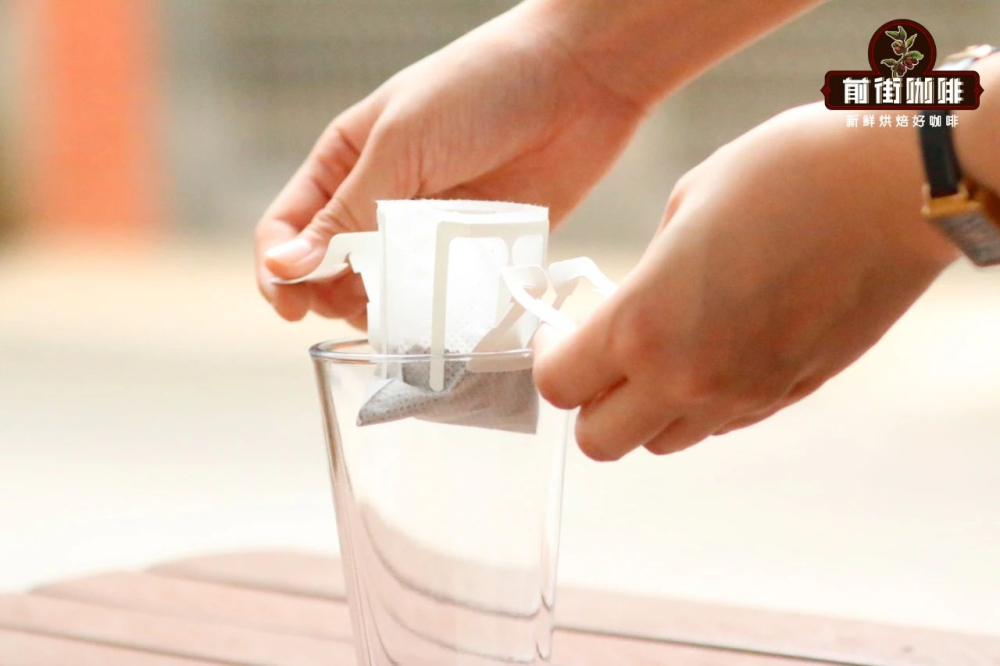
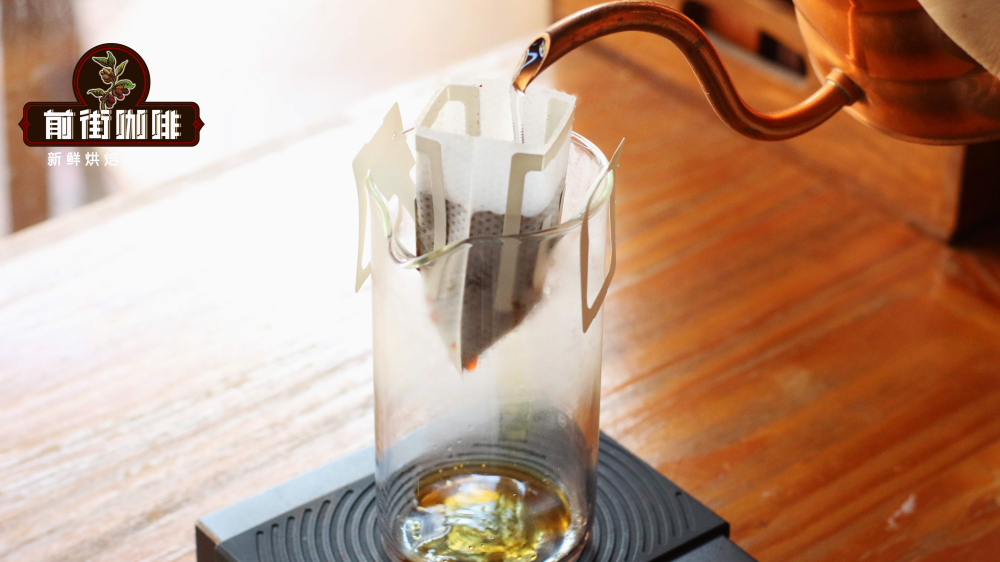
Here’s the step-by-step process: First, tear open the outer packaging of the drip bag, open the seal along the “open” marked line, and unfold the two side handles, then securely place the drip bag over the rim of a tall glass. Next, heat the water to about 93°C. If you don’t have a thermometer, you can boil the water and let it sit uncovered for about two minutes — the temperature will then be around 90–94°C, which is perfect for extraction. Then, slowly pour 100 milliliters of hot water into the drip bag filter, ensuring all the coffee grounds are fully saturated. Let it steep for about three minutes to allow the flavors to fully develop. Once the time is up, gently remove and discard the drip bag. Finally, it’s recommended not to put the ice cubes directly into the cup. Instead, prepare another cup filled with ice, and slowly pour the hot coffee liquid into it. This slows down the melting of the ice, preserving more of the coffee’s aroma and rich flavor, resulting in a well-rounded iced drip bag coffee.
A special reminder: each drip bag is recommended for a single brew only. Re-brewing with additional water will cause a noticeable decline in flavor, making it difficult to achieve the best results. Additionally, controlling the coffee-to-water ratio is key. Proper extraction ensures that your iced coffee retains enough body and aromatic layers even after cooling, allowing you to easily enjoy a coffee experience that combines convenience with quality.
The above content is compiled by CoffeeHunters, a coffee news website.


