







Introduction:Ethiopia is the birthplace of coffee, boasting a rich diversity of growing regions and unique flavor profiles. From the bright citrus acidity of Yirgacheffe to the berry and cream notes of Sidama Guji Hambela, each region has its own distinct geography and processing characteristics. This article delves into the environmental conditions, varietal traits, and processing methods of Ethiopia’s nine major coffee-growing regions, helping readers identify their ideal cup based on regional flavor differences. It also provides detailed step-by-step guides to both washed and natural processing methods, making it an essential advanced guide for pour over coffee enthusiasts.
Ethiopia is not just the homeland of coffee but also a sacred destination for specialty coffee lovers worldwide. This East African land is home to over 2,000 native coffee varieties, resulting in an incredibly diverse flavor spectrum. From the citrus, floral, and tea-like notes of high-altitude regions to the unique berry and deep jam flavors of lower-altitude areas, every Ethiopian coffee carries the soul of its terroir. Whether you prefer the bright and refreshing flavors of pour over or the rich and sweet intensity of espresso, this article will take you on a comprehensive journey to discover the unique charm of Ethiopia’s nine major regions.
When Ethiopian coffee is mentioned, many people immediately think of the fresh lemon and jasmine notes of Yirgacheffe. However, with the evolution of specialty coffee trends, the country’s coffee flavors have long surpassed the boundaries of Yirgacheffe. For example, the Hambela Guji Huila from the Sidama region, with its captivating strawberry cream and honey sweetness, has shone brightly in international competitions, completely transforming people’s singular perception of Ethiopian coffee. Next, we will systematically analyze the flavor characteristics and brewing recommendations of Ethiopia’s major regions from aspects such as regional geography, varietal background, and processing techniques.
Ethiopia’s coffee-growing environment is exceptionally favorable, with over 90% of its coffee produced by smallholder farmers, typically cultivated at altitudes between 1,000 and 2,300 meters. These high-altitude conditions endow the beans with bright acidity and complex aromatic layers. On average, each smallholder farm manages no more than 4 hectares, with a planting density of approximately 1,000 to 1,800 plants per hectare and an annual yield of about 600 kilograms of green beans per hectare. The farming models can be broadly divided into four types: forest coffee, semi-forest coffee, garden coffee, and plantation coffee, among which garden coffee accounts for the highest proportion, around 50–55%. These coffee trees are mostly planted around homes, with natural harvesting and relatively traditional processing methods.
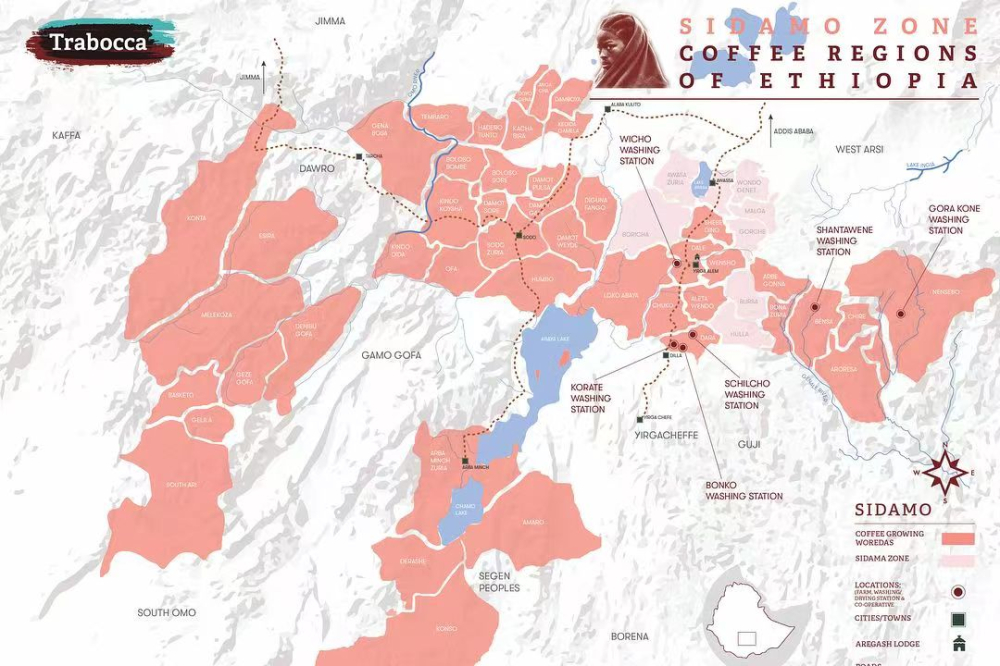
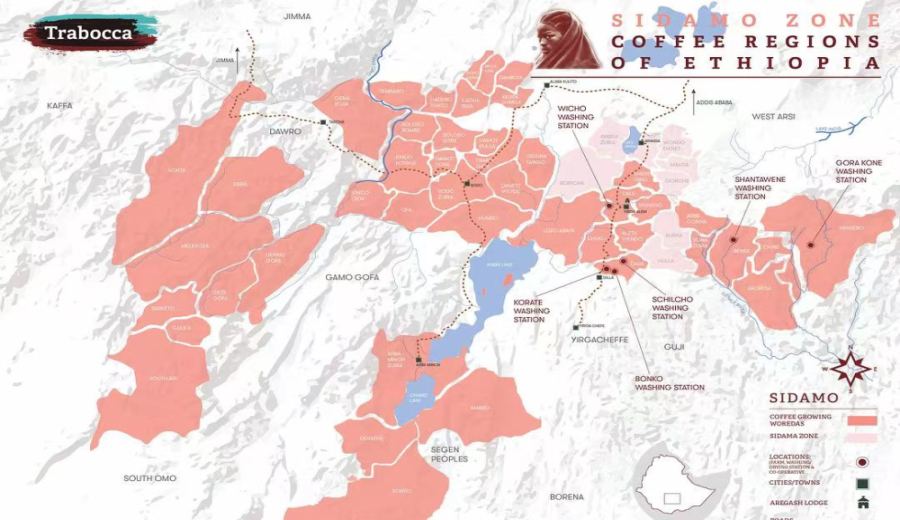
Ethiopia’s current administrative divisions, adjusted since 1995, have led to changes in some traditional region names. For instance, Yirgacheffe, originally part of Sidama, has now been designated as an independent region, although its neighboring sub-regions such as Wenago and Kochere continue to produce high-quality coffees with similar flavor profiles. Additionally, Guji’s Hambela, the renowned origin of the popular Huila coffee, although now independent from Sidama, is still often categorized under the broader Sidama region in the consumer market. Understanding these administrative and regional changes can help consumers more accurately grasp the origins and flavor characteristics of their coffee.
Ethiopia’s nine major regions each have their own microclimates and soil characteristics, giving rise to a rich array of flavor profiles. First is Yirgacheffe, situated at an altitude of approximately 1,800 to 2,000 meters and dominated by the garden coffee system. Coffees from this region generally exhibit pronounced citrus and lemon acidity, accompanied by jasmine and white floral notes, along with a tea-like finish, making it a top choice for many pour over beginners. Sidama spans altitudes of 1,400 to 2,200 meters, and its renowned Hambela sub-region produces Huila coffee, which gained international recognition for its intense strawberry cream and honey sweetness, breaking the previous dominance of Geisha.
The Limu region, located in the southwest, sits at altitudes of 1,200 to 2,000 meters and employs processing methods including washed, natural, and semi-washed. Its flavors are characterized by black sugar and grassy notes, and while its acidity is not as vibrant as Yirgacheffe’s, it offers clear layers and outstanding sweetness. The Harrar region, situated in the eastern highlands, primarily uses natural processing due to low rainfall. Its coffees often feature intense fermented and berry base notes, though quality has been inconsistent in recent years and the grading system remains underdeveloped. Gimma is Ethiopia’s largest coffee-producing area, mainly yielding commercial beans, though some washed specialty beans still showcase a clean profile akin to Central American beans.
As for regions like Illubabor, Gimbi-Lekempti, Teppi-Bebeka, and the Lake Tana area, they mostly produce commercial-grade beans. Among them, Illubabor beans are larger in size with a balanced and full-bodied profile; Gimbi-Lekempti, due to its resemblance to Harrar in appearance and some bright fruity acidity, is referred to as the “poor man’s Harrar” by certain markets. The Lake Tana region, though with scarce annual production, benefits from its location near a religious sanctuary, and its forest coffee carries a unique mystical aura, making it a highly collectible alternative choice.
Ethiopia boasts the most diverse coffee varietals in the world, with over 2,000 officially recorded varieties—1,927 of which are native, and the rest introduced. Due to the complexity of the varietals and the lack of genetic identification for many, the export market commonly refers to them all as Heirloom native varieties. Compared to the common Typica variety, Heirloom native varieties often exhibit richer acidity but slightly lower flavor purity, contributing to the unique aromatic layers and character of Ethiopian coffee.
In terms of processing methods, Ethiopia is the birthplace of natural processing, but after the introduction of washed processing in 1972, Yirgacheffe quickly became a benchmark for washed coffee thanks to its abundant water resources. Its clean, bright citrus and floral profiles elevated the region to a symbol of specialty coffee. However, with advancements in natural processing techniques, natural lots like Aricha and Idido Misty Valley, through rigorous harvesting and fermentation control, have showcased intense sweetness and layered fermentation notes, earning high acclaim in the market.
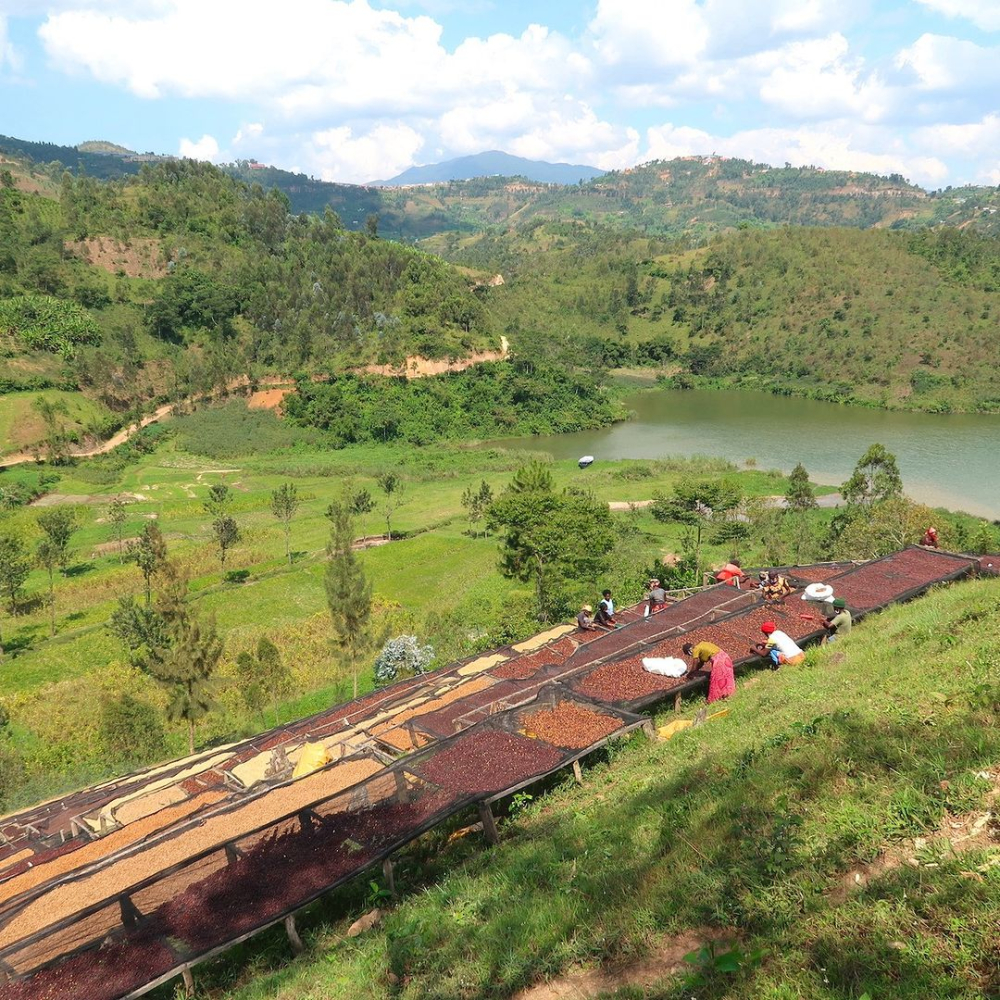
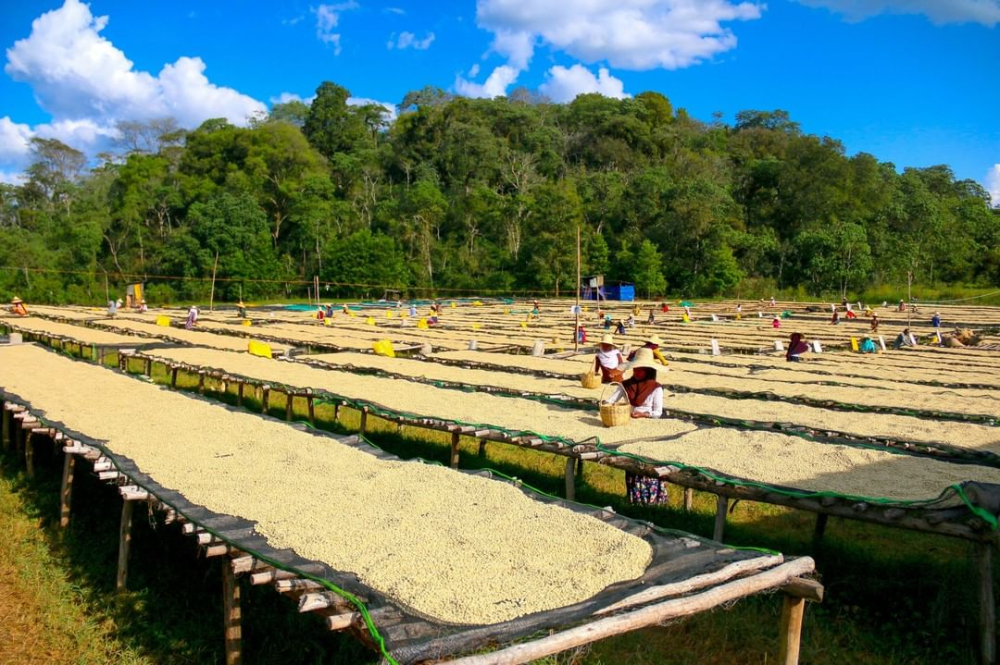
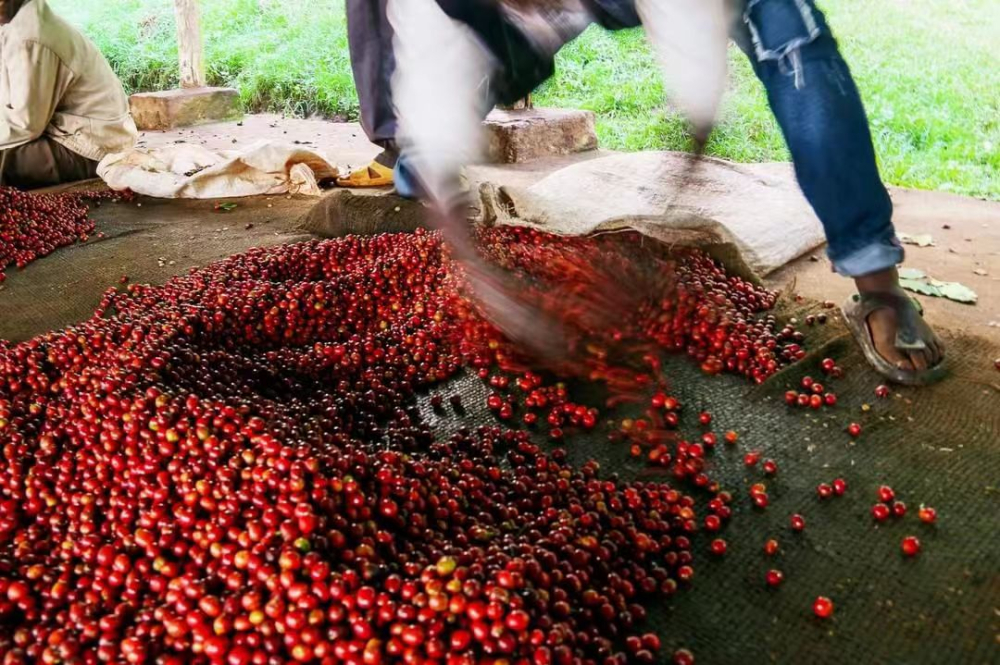
The key to natural processing lies in bean selection and prolonged sun drying, typically taking 27 to 30 days until the moisture content drops below 11%, involving multiple turnings and final hulling to ensure green bean quality. Washed processing, on the other hand, emphasizes steps like water flotation, pulp removal, mucilage fermentation, and repeated washing to highlight foundational flavor characteristics such as bright citrus acidity and tea-like tones. Both methods excel in different flavor directions and serve as important references when selecting coffee.
Finally, if you’re looking for representative Ethiopian coffee beans, consider starting with the washed Konga beans from Yirgacheffe, whose tropical fruit and honey notes are perfect for pour over beginners; or opt for Aricha natural beans to experience the deep flavors of rich berries and fermented wine. Whether you’re a novice or an advanced enthusiast, Ethiopia’s diverse regions and processing techniques promise endless surprises in your coffee journey.

The above content is compiled by CoffeeHunters, a coffee news website.


