







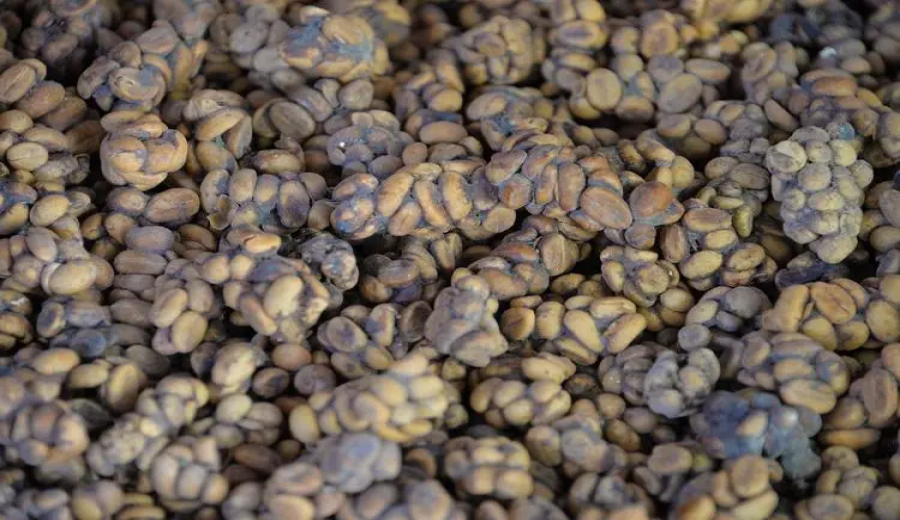
Introduction:As a globally significant coffee-producing country, Indonesia is home to classic varieties such as Mandheling, and is also renowned for its unique wet-hulling processing method. This article delves into the historical origins of Indonesian coffee, the characteristics of its main producing regions, the distribution differences between Robusta and Arabica, and provides a detailed look at the variety background of Mandheling, the wet-hulling technique, and grading system. It also offers practical pour-over brewing suggestions and flavor profiles to guide you through the diverse charm of Indonesian coffee.
Indonesia is not only a world-renowned coffee-producing nation but also the birthplace of many iconic coffee varieties, such as the famous Kopi Luwak and the richly flavored Mandheling. As early as the Dutch colonial period, Indonesia began cultivating coffee, and to this day, Robusta remains dominant, accounting for about 85% of the country's total production, primarily grown in low-altitude areas such as Java and Bali. High-quality Arabica, on the other hand, is concentrated in high-altitude mountainous regions like Sumatra and Sulawesi, resulting in a diverse range of coffee flavors.
Among them, Mandheling coffee from Sumatra is widely praised for its full body, low acidity, and intense aroma. Common flavor notes include caramel, nuts, spices, and dark chocolate, though those unaccustomed to such flavors may find its taste medicinal and strong. Understanding Indonesian coffee not only broadens your palate but also helps explore the diverse facets of the global coffee supply chain.
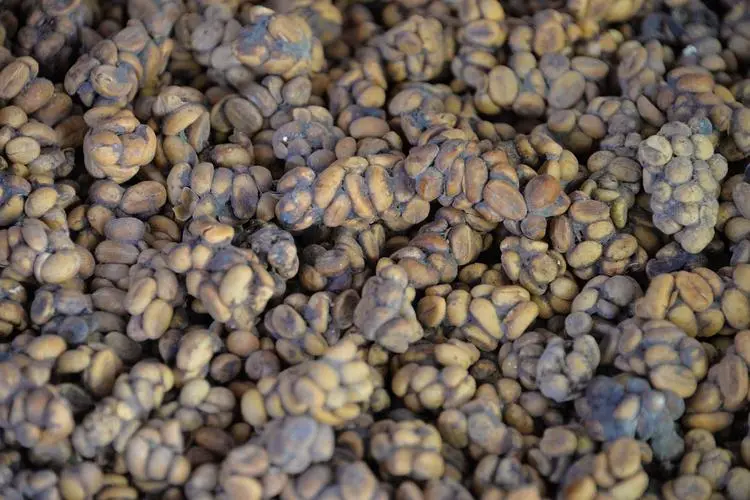
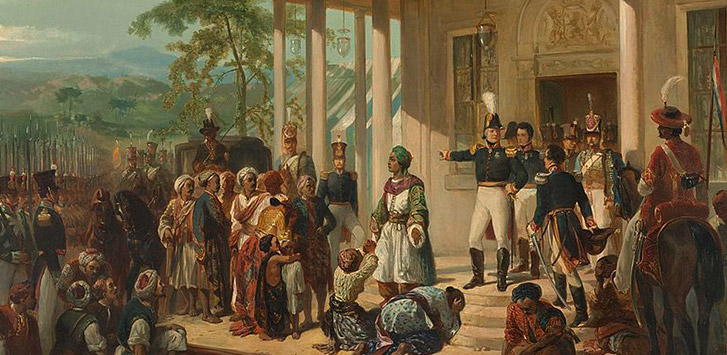
The history of Indonesian coffee dates back to 1699, when Indonesia, then a Dutch colony, first received Arabica coffee plants from the Dutch East India Company (VOC) with the aim of breaking the Arab monopoly on coffee trade. Initial plantings were located around what is now Jakarta (then called Batavia), later expanding to East Java, Central Java, West Java, as well as Sumatra and Sulawesi. Between 1725 and 1780, the VOC even briefly monopolized global coffee trade.
By the mid-17th century, Arabica cultivation continued to expand across Sumatra, Bali, Sulawesi, and Timor. Sulawesi’s coffee planting began in 1750, while the highlands of North Sumatra first saw coffee planted near Lake Toba in 1888, later expanding to the Gayo Highlands (in Aceh, near Lake Laut Tawar) in 1924. In the late 18th century, large-scale coffee plantations were also established on the Ijen Plateau in eastern Java.
However, the devastating leaf rust disease outbreak of 1876 severely damaged Indonesia’s Arabica coffee industry, leading to the death of most Typica varieties. This prompted the Dutch to introduce the more disease-resistant Robusta coffee (C. canephora var. robusta) in the early 1900s, especially in low-altitude regions. Even though Indonesia replanted new Arabica varieties after independence, over 90% of coffee farms today are smallholder operations, with an average cultivation area of less than one hectare.
As the world’s largest archipelagic nation, Indonesia consists of numerous scattered islands, with rugged mountains and hills dominating the terrain and only narrow coastal plains. Its climate is typically tropical rainforest, with stable temperatures around 25–27°C year-round and no distinct seasons. The northern part is influenced by the Northern Hemisphere monsoon, with heavy rainfall from July to September, while the southern part is affected by the Southern Hemisphere monsoon, experiencing its rainy season from December to February, with annual rainfall of about 1600–2200 mm. This high-altitude environment, fertile volcanic soil, and abundant, evenly distributed rainfall provide ideal growing conditions for Arabica coffee.
In the late 17th century, the Dutch East India Company introduced Arabica varieties from India to Java, which were later expanded to Sumatra and Sulawesi. However, a severe leaf rust outbreak in Java in 1880 nearly wiped out local Arabica, prompting the Dutch to switch to the disease-resistant Robusta, stabilizing Indonesia’s coffee industry. To this day, Robusta remains the dominant coffee variety in Indonesia, mainly grown in low-altitude areas like Java and Bali, while Arabica is concentrated in the high-altitude regions of northern Sumatra, Sulawesi, and parts of Java.
The commonly seen 'Lindtong Mandheling' and 'Golden Mandheling' on the market actually use the TimTim (i.e., Timor, a hybrid Arabica variety with Robusta lineage) and Ateng (i.e., Catimor, a hybrid of Caturra and Robusta) varieties, respectively. These names are mostly local colloquialisms rather than internationally standardized variety classifications.
As the core coffee-producing region of Indonesia, Sumatra is not only the country’s largest island but also the sixth-largest island in the world, covering an area of 473,000 square kilometers. Located on the equator and within the globally renowned 'Coffee Belt,' it has a tropical rainforest climate, so the broadly termed 'Mandheling' coffee mostly originates here. The harvest season in this region runs from November each year to March of the following year, making it the earliest area in Indonesia to begin harvesting.
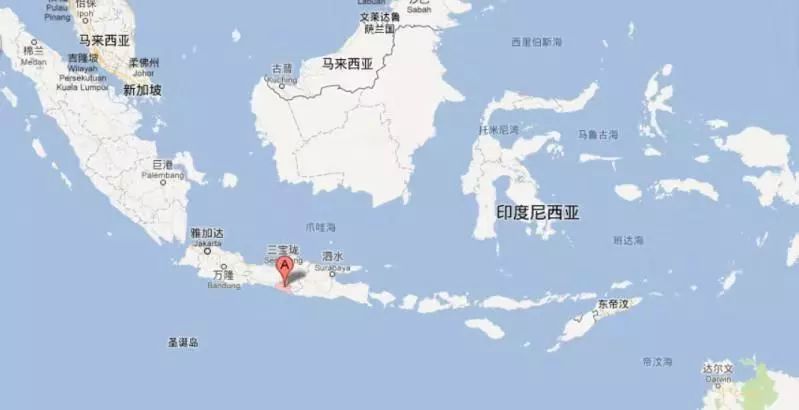
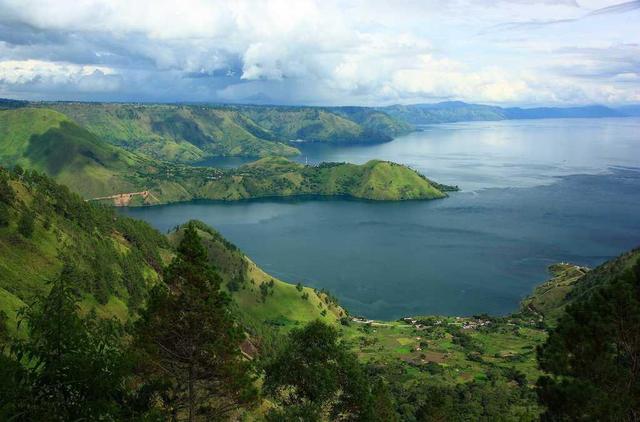
Among them, the Lintong highland area is located in north-central Sumatra, near Lake Toba, and is the main production site of conventional Sumatran Mandheling. Lake Toba was selected by Dutch colonists in 1888 as an Arabica planting area, later switched to Robusta due to leaf rust, but it laid the foundation for the development of the Mandheling variety. Additionally, Lake Tawar in the special administrative region of Aceh, though smaller in size, also features a high-altitude environment suitable for growing high-quality coffee.
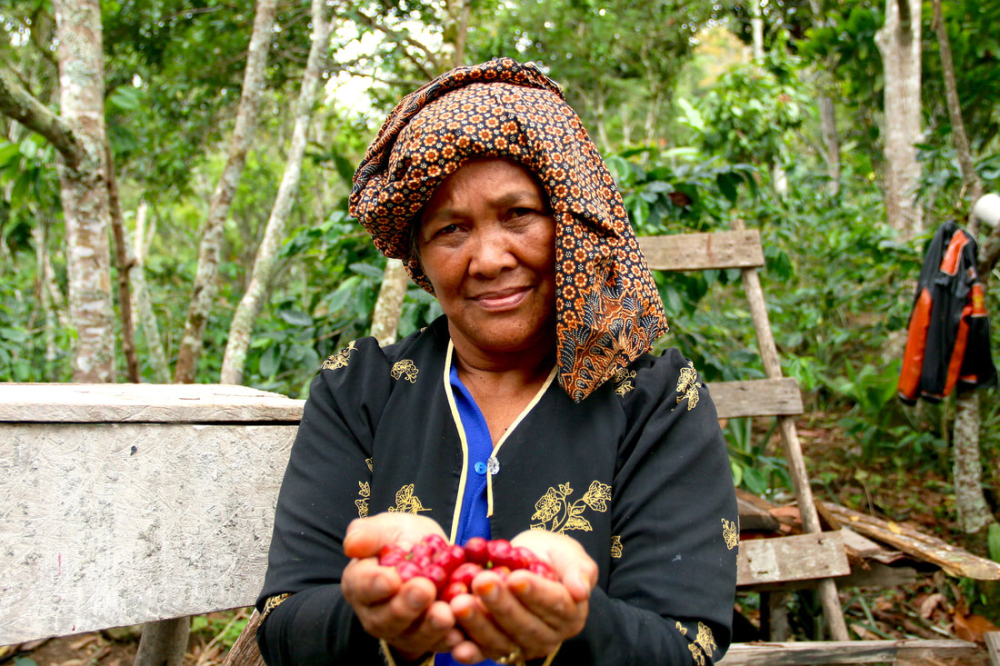
Currently, the most highly regarded coffee in Sumatra comes from the Gayo highlands, located in the Aceh region of North Sumatra Province, at elevations between 1500–2500 meters. It is mostly cultivated by the indigenous Gayo people, who grow heirloom coffee varieties. This area not only benefits from high altitude, fertile soil, and ample rainfall but also has the sufficient water supply provided by Lake Tawar. Coupled with widespread organic farming practices and the absence of chemical fertilizers, it is considered an important green coffee-producing region. As a result, Gayo coffee is often referred to as 'green coffee' or 'organic Mandheling.'
The two common Mandheling flavor profiles in the area each have their own distinctive characteristics: 'Lintong Mandheling' features aromas of toasted bread, nuts, caramel, pine, and herbs; while 'Golden Mandheling' showcases a complex layers of spices, nuts, pine, caramel, herbs, and dark chocolate.
In addition to Sumatra, Bali is also an important coffee-producing region in Indonesia. Though better known as a tourist destination, the coffee produced in the Kintamani highlands (located between the Batukaru and Agung volcanoes) is also noteworthy. It is an Arabica variety with unique regional characteristics.
When it comes to the grading of Indonesian coffee, the system is primarily based on the number of defective beans, supplemented by bean size evaluation. Indonesian regulations require that exported green beans be free of live insects, mold, with a moisture content not exceeding 12.5%, and an impurity rate below 0.5%. Grading is based on the number of defective beans in a 300-gram sample, divided into six grades from G1 to G6, with a lower number indicating higher quality.
Generally, exported green bean packaging will indicate the country, grade, and green bean supplier information. For example, both 'Lintong Mandheling' and 'PWN Golden Mandheling' belong to the G1 grade, with the latter’s packaging clearly labeled as 'PWN GOLDEN MANDHELING TRIPLE PICKED Grade 1 PROD OF INDONESIA 30KGS NET.'
Among them, 'Golden Mandheling' is particularly special, as it is produced by the renowned Indonesian green bean company PWN using a higher standard screening process: on the basis of G1, it undergoes machine sorting followed by three rounds of manual hand-picking to ensure uniform bean size, minimal defects, deep green color, and intact shape. This strict selection results in not only an extremely low defect rate but also a cleaner, sweeter flavor profile. Compared to regular Mandheling, the earthy off-flavors are significantly reduced, with more pronounced richness and sweetness. It is worth noting that 'Golden Mandheling' is a registered trademark of PWN, and only products meeting specific screening criteria can bear this name.
Speaking of the most unique processing method in Indonesian coffee, none stands out more than the 'wet-hulling' method (locally called Giling Basah). Developed in response to Indonesia’s hot, humid climate with limited sunlight, wet-hulling can significantly shorten the drying time compared to traditional washed or natural processes. The process involves: first washing to remove the fruit pulp, then sun-drying the mucilage-covered parchment beans to a moisture content of 30–50%, followed by hulling the parchment layer and continuing sun-drying until fully dry.
Because the beans are in a semi-dry state during processing, hulling the parchment can easily cause pressure marks, leading to notches or unique shapes at the ends of the beans. The commonly seen 'elephant hoof' appearance is formed this way, but it is a normal phenomenon, not a defect.
Wet-hulling contributes to the unique low-acidity, thick body, and bold, earthy aroma of Mandheling, making it one of the key features that distinguish it from coffees of other regions.
For pour-over brewing of Mandheling, it is recommended to use a KONO filter, whose smooth curve and fewer venting ribs allow for a rounder, fuller extraction, suitable for the bold flavors of Indonesian beans. The grind size is suggested to be coarser (e.g., 75% passing through a 20-mesh sieve), with a brewing temperature of 88°C using a three-stage pour: first blooming with twice the coffee weight in water (about 30 grams) for 30 seconds, then pouring in stages to 125 grams and 225 grams, with a total brew time of about 2 minutes. The coffee-to-water ratio can be adjusted to 1:15 or 1:13 based on taste preference.
【Lintong Mandheling】Flavor Profile: Herbal, chocolate, caramel, overall balanced and full-bodied.
【Golden Mandheling】Flavor Profile: Nuts, spices, herbs, licorice, chocolate, and caramel, with rich layers and bright aromatics.
The above content is compiled by CoffeeHunters, a coffee news website.


