







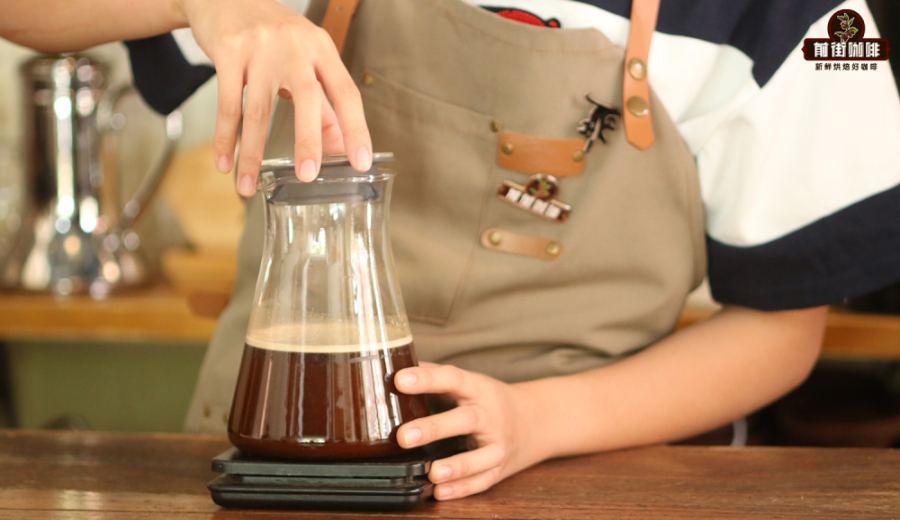
Introduction:During the hot summer months, cold brew coffee is the go-to choice for many coffee enthusiasts seeking a refreshing taste. However, what seems like a simple brewing method is actually influenced by multiple factors such as grind size, coffee-to-water ratio, and steeping time. Even slight deviations can affect the final flavor profile. This article provides an in-depth analysis of how various key parameters impact cold brew coffee, along with practical brewing tips and common mistakes to avoid, helping you easily master the secrets to making delicious cold brew at home.
As summer arrives and temperatures rise, many people start looking for coffee beverages that offer a cooling sensation. Among them, cold brew coffee has become a favorite for many due to its smooth, low-acid, and refreshing characteristics. The principle behind cold brew is to steep coffee grounds in cold water for an extended period, then filter out the grounds to obtain the brewed liquid. Although the process may seem straightforward, details such as grind coarseness, coffee-to-water ratio, and steeping time can significantly influence the direction of the coffee’s flavor.
The choice of grind size is crucial for cold brew. Since cold brew relies mainly on cold water for slow extraction—much less efficient compared to hot water extraction—it’s almost impossible to over-extract. Using hand drip coffee grind size as a reference, it’s recommended to adjust the grind slightly finer. Ideally, when using a #20 standard sieve, the extraction rate should be around 85%, while also minimizing the proportion of fine particles. Excessive fine particles not only prolong filtration time but may also cause oils and micro-particles to suspend on the surface of the coffee, affecting overall mouthfeel and drinking experience.
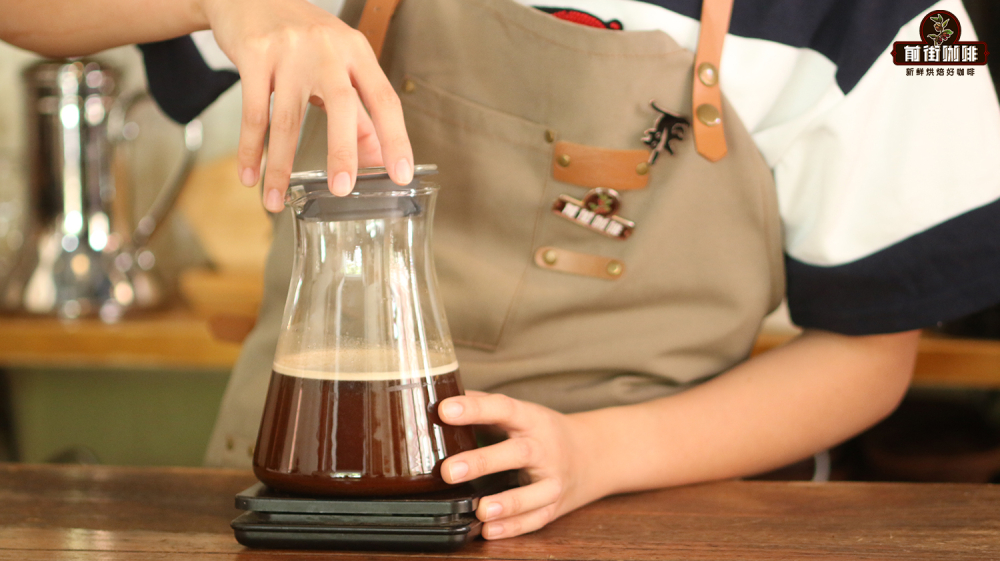
Coffee-to-water ratio is another important factor influencing the flavor profile of cold brew. The generally recommended ratio is 1:12. This can be achieved through a mixture ratio of coffee grounds to water and ice at 1:8:4, where the addition of ice helps maintain a low water temperature, stabilizing extraction efficiency and avoiding uneven extraction due to temperature fluctuations. For more precision, you can also directly brew using a coffee-to-water ratio of 1:12.
Regarding temperature and steeping time, cold brew is typically recommended to be done in a low-temperature environment, such as in a refrigerator, with a steeping time of around 24 hours. However, if you prefer to brew at room temperature, it’s advised to shorten the steeping time to 8–12 hours to prevent flavor degradation or over-extraction caused by prolonged contact with room-temperature water.
The cold brew process is actually highly flexible and forgiving. Whether it’s the choice of coffee beans, the container used, or the coffee-to-water ratio, grind size, and steeping duration, all can be adjusted according to personal taste. As long as you avoid extreme parameter combinations, you can usually produce cold brew with decent flavor.
However, even when following common parameters, many people find that their homemade cold brew doesn’t meet expectations after trying it at home—such as lacking aroma, having a weak or overly bitter taste. Below are several common pitfalls for readers to self-check:
Controlling steeping time is one of the keys. It’s generally recommended to keep the steeping time between 8 to 18 hours. Too short a time (e.g., 6 hours) may lead to under-extraction, resulting in a thin flavor and insufficient aroma; too long (e.g., over 24 hours) can easily lead to over-extraction, resulting in noticeable bitterness. Experiments show that a steeping time of 10 to 16 hours usually achieves the best balance—with rich flavor layers and a full-bodied mouthfeel.
The roast freshness of the coffee beans also affects cold brew performance. Many people prefer freshly roasted beans for hot brews, but for cold brew, it’s recommended to use beans roasted more than 10 days prior. Because cold brew is a low-temperature, static extraction method, carbon dioxide inside the beans is not easily released, and freshly roasted beans contain a lot of gas, which may inhibit aroma release and affect overall performance.
In addition,the stirring step should not be overlooked. Many beginners seal and refrigerate the mixture right after adding water, causing the coffee grounds to not be evenly soaked, with some powder failing to effectively participate in extraction. It’s recommended to use a stirring tool to evenly mix the coffee grounds and water before placing it in the fridge. When taking it out after resting, stir again to ensure the settled particles redistribute evenly, aiding subsequent filtration and flavor release.
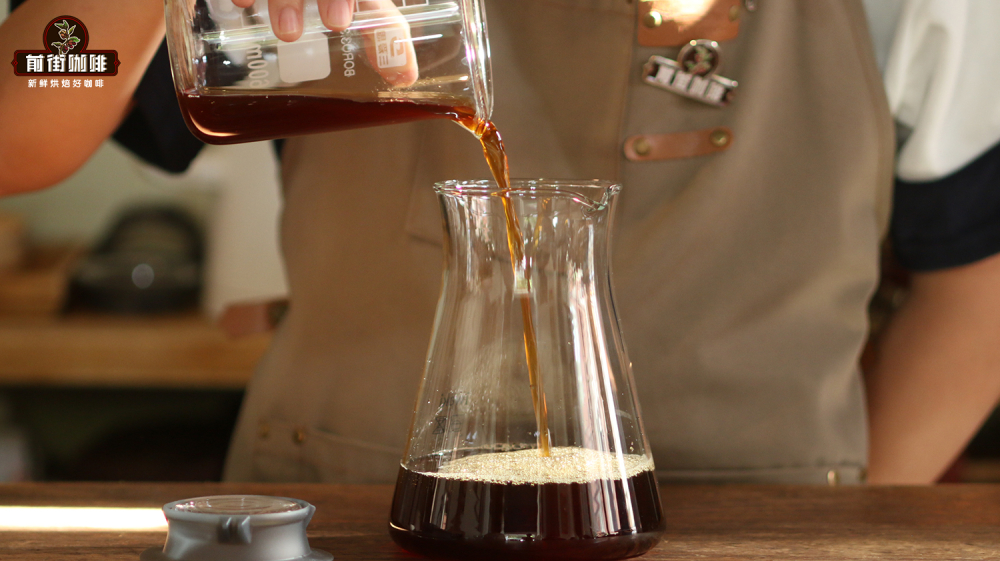
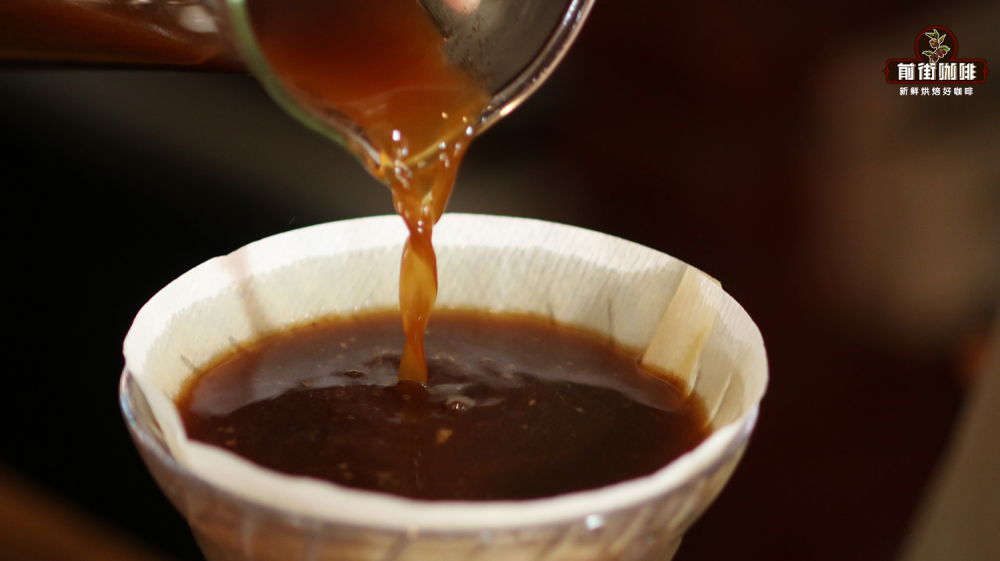
Finally,the filtration step has a significant impact on the final mouthfeel. Filtration tools available on the market include built-in filters in cold brew pitchers, metal filters, filter paper, or French press cloths. The mesh size of different filter materials determines the level of particle retention. Even with a relatively fine filter, extremely fine particles may still pass through, causing oiliness or sediment on the coffee’s surface. For a smoother mouthfeel, a second filtration using high-density filter paper can help remove most fine particles and oils. After filtration, it’s recommended to let the coffee liquid sit in the refrigerator for 3–4 hours to allow further flavor maturation, resulting in a clearer taste and brighter acidity.
The above content is compiled by CoffeeHunters, a coffee news website.


