







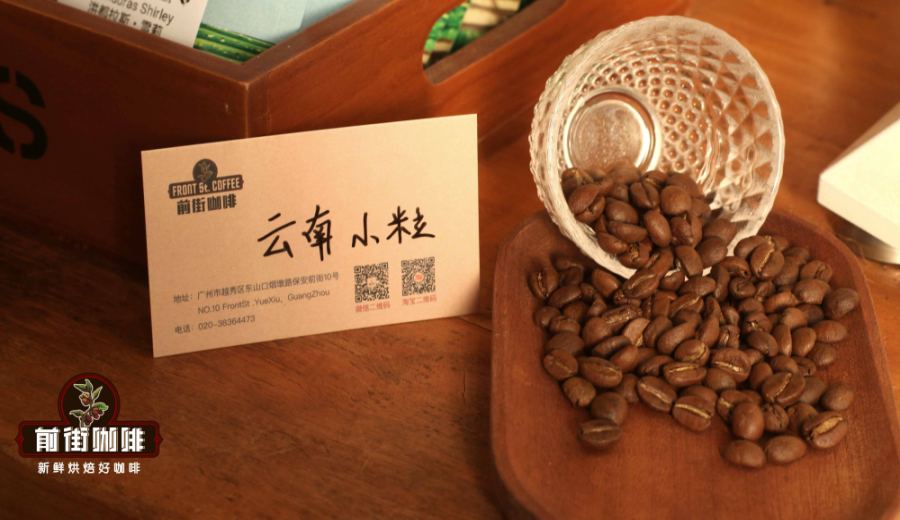
Introduction:Delve into the core characteristics of Yunnan coffee varieties, from the historical origins and flavor differences between Typica and Catimor to detailed steps and parameter adjustments for three-stage pour over and cold brew. This guide helps you master the optimal extraction methods for this uniquely Chinese coffee, elevating its flavor expression.
As China’s most representative coffee-growing region, Yunnan is famed for its distinctive small-bean coffee, known for its balanced flavors and compatibility with various brewing methods. Starting with the region’s geographical and climatic conditions, this article explores the origins, traits, and suitable brewing techniques of the two main cultivars—Typica and Catimor. It also provides flavor profiles for two representative Yunnan coffee beans, along with specific procedures for three-stage pour over and cold brew, enabling coffee enthusiasts to comprehensively understand everything from variety recognition to practical extraction.
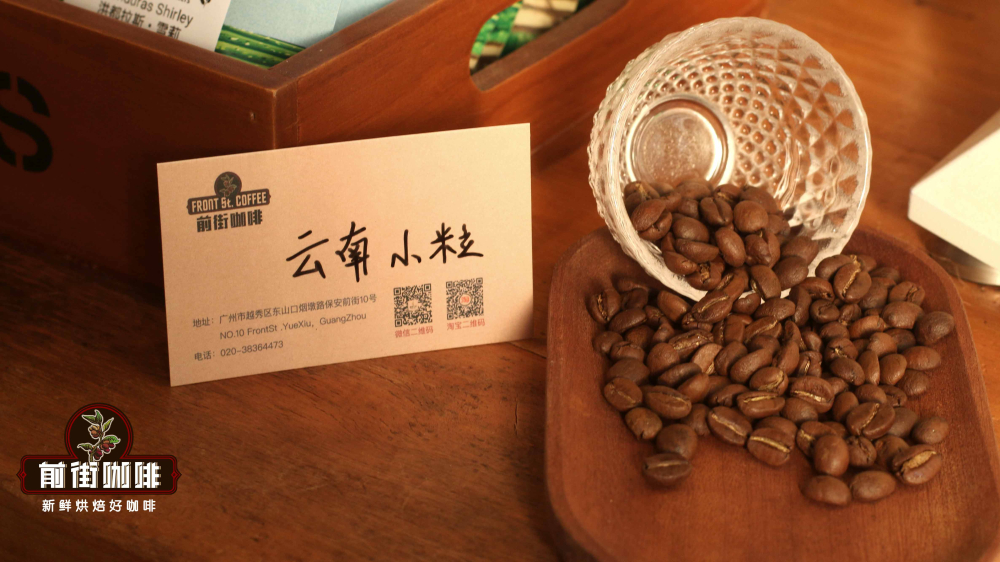
The cultivation history of Yunnan coffee dates back to the late 19th century, when it was first introduced by French missionaries in Zhukula Village, Binchuan County, Dali. A member of the Arabica species, it earned the name "small-bean coffee" due to its relatively small bean size. Located near the Tropic of Cancer, this area falls within the golden latitude band for coffee cultivation. Coupled with the unique alpine mountain climate—marked by significant day-night temperature variations and frequent fog—the environment promotes slow maturation of coffee trees and the accumulation of flavor compounds. Compared to Hainan, which also has a warm and humid climate, Yunnan’s high altitude and foggy conditions offer more ideal shading effects, fostering better growth of premium-quality coffee.
In terms of varieties, Catimor currently dominates Yunnan’s plantings due to its strong disease resistance and high yield, making it highly favored by farmers. However, a small number of farms still preserve rare Typica and Bourbon varieties, which are considered the “vintage” members of the Arabica family. Among them, Typica is one of the representatives of Yunnan’s small-bean coffee. Originating from Ethiopia, Typica is the ancestor of all Arabica lineages. Its top leaves exhibit a bronze hue, and the beans are commonly oval or pointed in shape. It delivers delicate and elegant flavors but has weak disease resistance and low yield, making it well-suited to flavor-focused brewing methods such as pour over and cold brew.
To experience authentic Typica flavors, look for Yunnan-grown beans processed with the natural (sun-dried) method, which typically showcase rich tropical fruit and herbal notes. It’s recommended to try sun-dried Typica with three or more years of aging, as its profile often becomes more rounded.
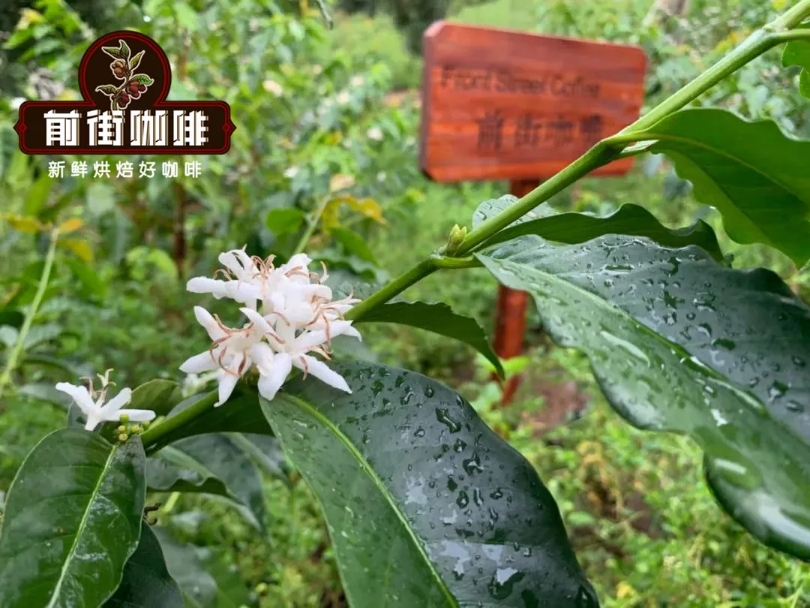
The Catimor variety was developed in 1959 by Portugal through the hybridization of Timor and Caturra, incorporating the disease-resistant genes of Robusta. As a result, it boasts exceptional resistance to leaf rust and offers stable yields, making it suitable for commercial cultivation. However, due to its Robusta lineage, it often exhibits a bolder mouthfeel and slight off-flavors. When processed properly, it can still display a rich and layered flavor profile, particularly well-suited for espresso or milk-based coffee beverages.
For brewing these two types of beans, the three-stage pour over method is recommended to ensure stable extraction. Begin with approximately 30 grams of hot water for pre-wetting to allow the coffee grounds to degas fully. In the second stage, start the first pour around the 30-second mark, applying a small stream of water from the center of the coffee bed and expanding in small, controlled circles to ensure even saturation. Avoid overly large or uneven water flow, which can lead to over-extraction in the early stages or under-extraction later on, disrupting the overall flavor balance.
During the third stage of pouring, monitor the water level descent and continue pouring just before the coffee bed is exposed. Aim to complete the total pouring time at around 1 minute and 50 seconds, with the filtration process ideally finishing within 2 minutes to ensure a clean and clear flavor profile. For pouring technique, you may choose from inward-to-outward, outward-to-inward, or center-spreading methods based on personal preference, adjusting flexibly to find the most suitable extraction rhythm.
In terms of flavor, sun-dried Typica typically presents bright fruity and herbal notes, with a soft entrance, followed by nutty and chocolatey flavors in the mid-palate, and a lively plum acidity with sweet undertones of black tea and brown sugar in the finish. Meanwhile, Yunnan’s small-bean Catimor coffee showcases a bright yet mellow and balanced acidity, with a rich layering of flavors. The aftertaste reveals sweet notes of dark chocolate, honey, and cane sugar, which become even more pronounced and molasses-like upon cooling.
For those who prefer fruity acidity, high-altitude, lightly roasted Typica beans are recommended, as they highlight a refreshing acidity and aroma. If bold acidity is less desirable, medium-to-dark roasted Catimor beans offer a slightly stronger bitterness but with stable flavors that are well-suited for everyday drinking.
Yunnan coffee also performs excellently in cold brew. It’s recommended to use 50 grams of coffee grounds with 600 milliliters of cold water, at a 1:12 coffee-to-water ratio. Stir well, seal, and refrigerate for 24 hours. After filtering, let the coffee liquid sit in a sealed container for an additional 12 hours or more to allow further maturation and enhanced flavor complexity. The cold brew can be stored in the refrigerator for up to 5 days, with optimal flavor typically emerging 1 to 3 days after brewing, when the liquid has fully matured, resulting in a richer and more nuanced taste.
The above content is compiled by CoffeeHunters, a coffee news website.


