







Introduction:Mandheling coffee, known for its rich, full-bodied profile and low acidity with stable characteristics, holds a significant place in the specialty coffee world. This classic bean variety from Sumatra, processed using the unique wet-hulling method, imparts deep notes of wood, spice, and herbs. This article will delve into the origin background, processing methods, and grade differences of Mandheling, while also providing expert pour-over brewing recommendations and parameter settings to help you consistently brew at home a clean cup with flavors of nuts, dark chocolate, and caramel intertwined.
In today’s specialty coffee scene, where bright fruit acidity and floral aromas are highly sought after, Mandheling coffee maintains its classic status with its bold and full-bodied character. Originating from Sumatra, Indonesia, this coffee showcases steady notes of wood, herbs, and spices through the wet-hulling process, making it one of the representatives of dark roast, low-acidity flavor profiles.
Although the market offers no shortage of coffee beans famed for their fruity acidity—such as Geisha and Yirgacheffe—Mandheling, with its solid and reliable taste, has long been a classic everyday bean for many coffee enthusiasts. Especially for those new to pour-over brewing, mastering the brewing techniques of Mandheling allows for a deeper appreciation of the layers and nuances in dark roast coffee.
Indonesia is one of the world’s major coffee-producing countries, but its output is predominantly commercial-grade Robusta. The higher-quality Arabica is mainly concentrated in a few regions such as Sumatra. The commonly referred to "Mandheling coffee" actually refers to Arabica produced in northern Sumatra, not a place name, but rather a term representing a flavor and processing style.
In the market, common subtypes of Mandheling include Lintong Mandheling, Tiger Mandheling, Golden Mandheling, and Aged Mandheling, each with its own unique processing and selection standards. Among them, Lintong Mandheling is highly cost-effective and very suitable for beginners; whereas Golden Mandheling, having undergone multiple hand-pickings with an extremely low defect rate, offers a purer and more consistent flavor.
The uniquely distinctive flavor of Mandheling is inseparable from the "wet-hulling process" it employs. Compared to the traditional washed method, which takes one to three weeks, the wet-hulling process can be completed in just a few days. The steps involve first removing the coffee cherry's skin and pulp, followed by a short fermentation period before sun drying. When the beans are still semi-dry, the outer parchment layer is removed, and drying continues until the moisture content reaches about 12%. Although this method is efficient, in Indonesia’s hot and humid environment, improper control can easily lead to mold issues.
The key to the wet-hulling method lies in the early removal of the parchment layer, causing the coffee beans to continue absorbing moisture from the air during the subsequent drying process, thereby influencing the final flavor. It is precisely for this reason that Mandheling coffee often exhibits pronounced notes of wood, herbs, and spices—these steady aromas are part of its charm. Especially after dark roasting, the acidity is even lower, and the body becomes more intense.
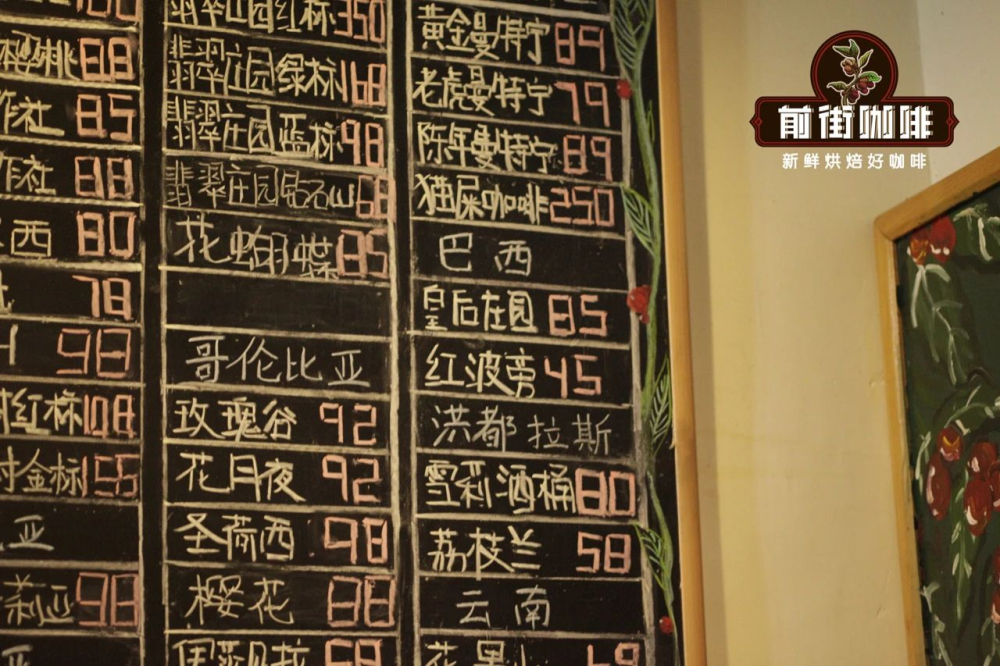
It’s worth mentioning that even Mandheling from the same region of Sumatra can vary in flavor depending on the estate or processing mill. For example, Lintong Mandheling sold by a well-known coffee brand is beloved by consumers who prefer a heavy mouthfeel for its prominent herbal and earthy tones; whereas PWN Golden Mandheling, having undergone stricter manual selection with an extremely low defect rate, features uniformly plump beans typically reaching G1 grade of 18 mesh or above, and is regarded as a representative of high-end Mandheling.
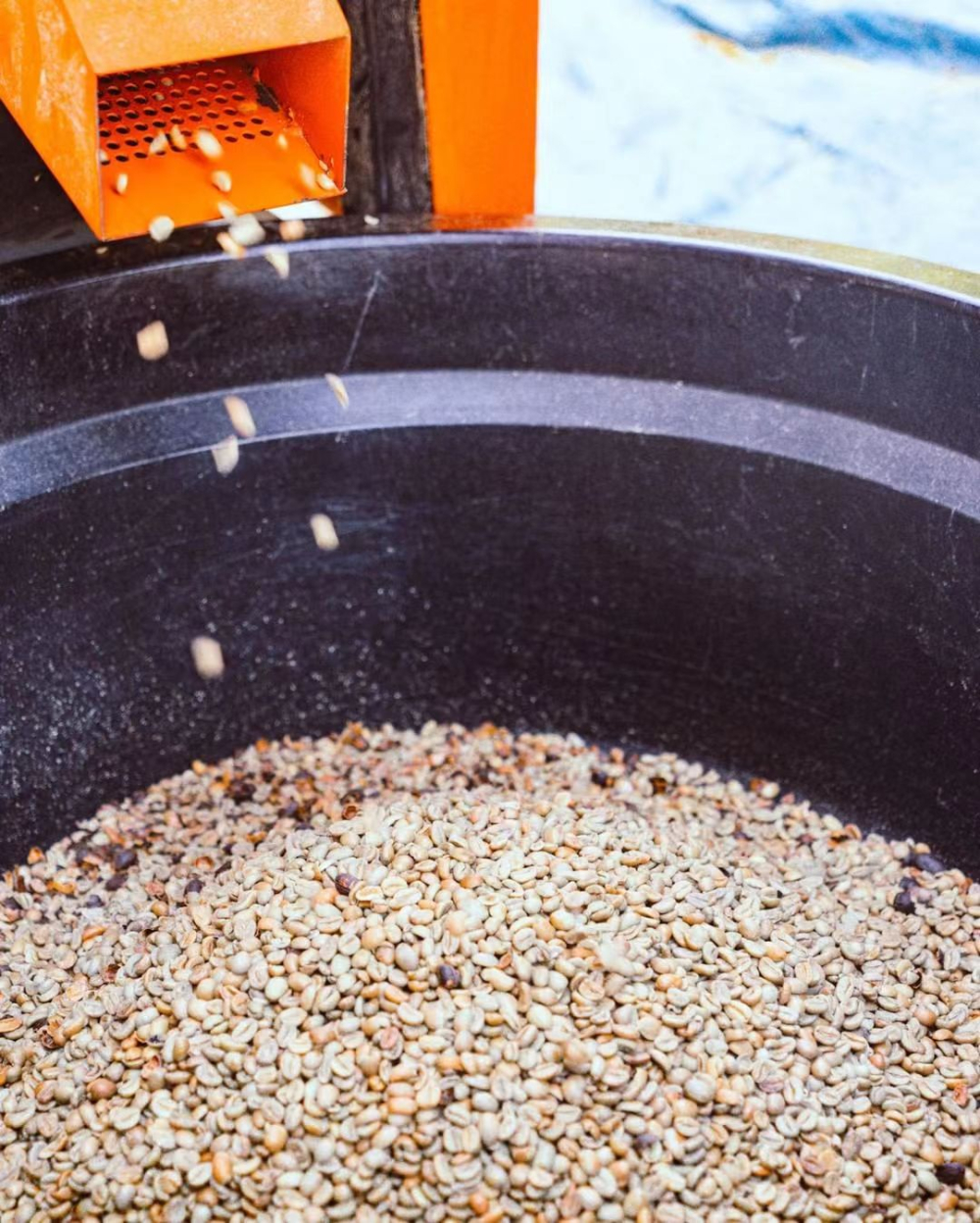
As a professional supplier of top-tier Mandheling in Indonesia, PWN exercises extremely strict quality control over its green beans. In addition to initial machine screening, three rounds of manual sorting are conducted to ensure every bean is intact and regularly shaped. Moreover, before bagging, a secondary selection based on density and color is carried out, making the coffee beans appear more uniform and shiny. While counterfeit products are common in the market, genuine PWN Golden Mandheling consistently maintains high standards in both quality and consistency.
To successfully brew Mandheling’s full-bodied flavors via pour-over, every step—from bean selection and roast level to extraction parameters—is crucial. It is recommended to choose freshly roasted coffee beans. Generally, the optimal tasting window for medium to light roasts is around 4 to 7 days post-roast, while medium to dark roasts require 7 to 10 days to allow sufficient CO₂ release before the flavors peak. In most cases, beans provided by coffee shops are roasted within 5 days to ensure consumers enjoy them at their best.
Mandheling coffee is typically medium to dark roasted, which helps highlight its low acidity and full-bodied characteristics. When pour-over brewing, it is recommended to slightly lower the water temperature to around 87–88°C to avoid extracting excessive burnt or bitter notes due to high heat. The grind size should be medium-coarse, approximately corresponding to a 70% passing rate through a Chinese standard No. 20 sieve, which allows for adequate release of aromatic molecules without over-extraction caused by being too fine.
This recommendation uses the KONO filter cone for pour-over. Its design differs from the common V60—it has fewer flow-guiding ribs, and the upper section is a smooth curved surface, allowing the filter paper to adhere more tightly to the cone, restricting upward airflow. This helps the coffee grounds release aroma more fully, thereby enhancing the full-bodied mouthfeel.
Recommended pour-over parameters:
• Water temperature: 87~88°C
• Grind size: Medium (approximately 70% passing rate through a No. 20 sieve)
• Coffee dosage: 15 grams
• Coffee-to-water ratio: 1:15
• Brewing method: Three-pour technique
Specific steps are as follows: First, place the coffee grounds into the filter cone, gently level them without shaking to facilitate blooming. The first pour involves adding 40 grams of water, circling slowly from the center to allow the coffee to bloom for about 30 seconds, during which the coffee bed will gradually expand into a “hamburger” shape. The second pour involves adding 120 grams of water in a circular motion from the center outward, keeping the water stream close to the coffee bed and moving slowly to avoid vigorous agitation. The third pour adds another 100 grams of water, and once the dripping is complete, the extraction is finished, with a total brew time of about 2 minutes.
Using the above method, the resulting pour-over Mandheling coffee will exhibit rich layers, a full and clean mouthfeel, with distinct notes of nuts, dark chocolate, and caramel. The finish offers a long, sweet aftertaste, presenting an overall balanced and deep profile, making it highly suitable for coffee enthusiasts who enjoy exploring dark roast flavors.
The above content is compiled by CoffeeHunters, a coffee news website.


