







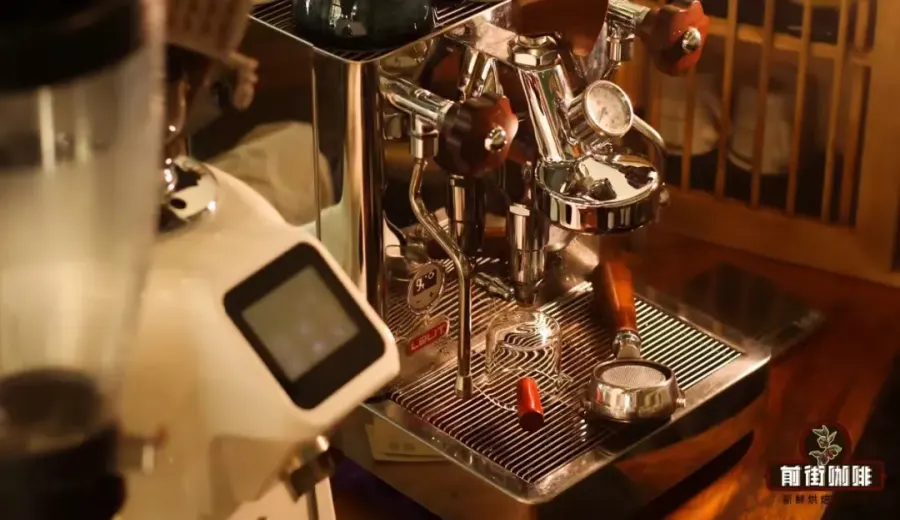
Introduction:Want to make a well-balanced espresso at home but always confused about grind size, extraction time, and coffee-to-water ratio? This article provides a detailed breakdown of key espresso extraction parameters, including coffee bean selection, grinder types, coffee-to-water ratio ranges, pressure and temperature control, as well as how to distribute and tamp the coffee grounds, along with common pitfalls. Mastering these fundamentals will allow you to consistently pull rich, balanced espressos with a thick crema.
For coffee enthusiasts just stepping into the world of espresso, one of the biggest challenges is using an espresso machine to consistently produce a well-balanced shot. From selecting the right beans and adjusting the grinder’s fineness, to controlling extraction time, pressure, and temperature, every detail directly impacts the final cup. This article will introduce the full spectrum of espresso extraction knowledge in an easy-to-understand way, helping you build a clear concept of key parameters and master the essential techniques for stable results.
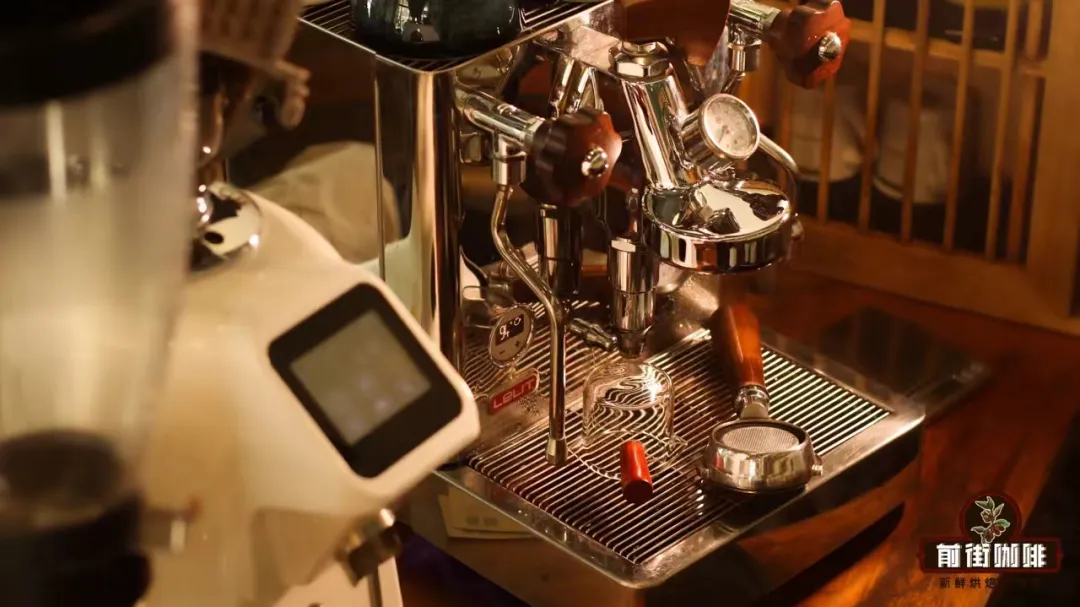
With the growing popularity of specialty coffee, more and more home users are starting to purchase espresso machines. However, in practice, many still feel puzzled about how much coffee to use, how long to extract, and how to adjust grind size. This article will systematically break down these variables so that even beginners can gradually produce professional-grade espresso.
First, choosing the right coffee beans is the first step to success. Espresso typically has a thick layer of Crema (coffee foam), which mainly comes from carbon dioxide released during the roasting process and a small amount of emulsified coffee oils. Therefore, it is recommended to use beans roasted within a few days to a few weeks—the freshness of the beans is crucial for Crema formation. Beans that have been stored for too long will gradually lose their carbon dioxide and volatile aromatic compounds, not only affecting the quality of the crema but also significantly diminishing the coffee’s flavor.
In terms of bean variety, espresso often uses blends, combining beans from different regions and processing methods to achieve an ideal flavor balance. For example, if a certain bean produces a shot with insufficient crema, it can be blended with another bean that yields a richer crema; if the coffee is too acidic or bitter, this can also be adjusted through blending. The flexibility of blending allows you to tailor your espresso to be bold, balanced, and layered according to your personal taste.
Next is the choice of grinder. To produce high-quality espresso, it is recommended to use a burr grinder, as it provides more uniform grind particles and allows users to precisely adjust fineness according to their needs. Compared to blade grinders, burr grinders offer better control over particle distribution, which greatly affects extraction uniformity and flavor expression. Additionally, types of burrs such as conical, flat, or ghost teeth each have their own characteristics, but not all burr grinders are suitable for espresso—especially those designed for pour over or French press, which may not grind fine enough.
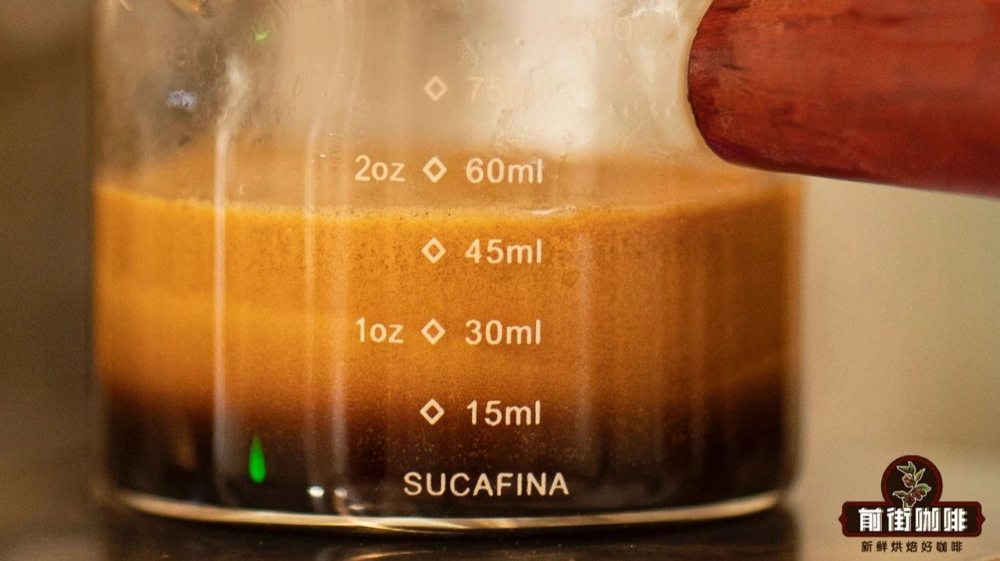
Regarding grind size, espresso requires a finer grind than pour over to effectively increase extraction yield under pressure. Generally speaking, when using a semi-automatic espresso machine, it is recommended to adjust to 16–18 grams of coffee grounds and extract 32–36 grams of espresso liquid within 20–30 seconds. If using a manual lever machine, adjust to produce an extraction resistance of 6–9 BAR, also completing the shot within 20–30 seconds. Each time you change coffee beans, you may need to fine-tune the grind size again to ensure pressure and time fall within the ideal range.
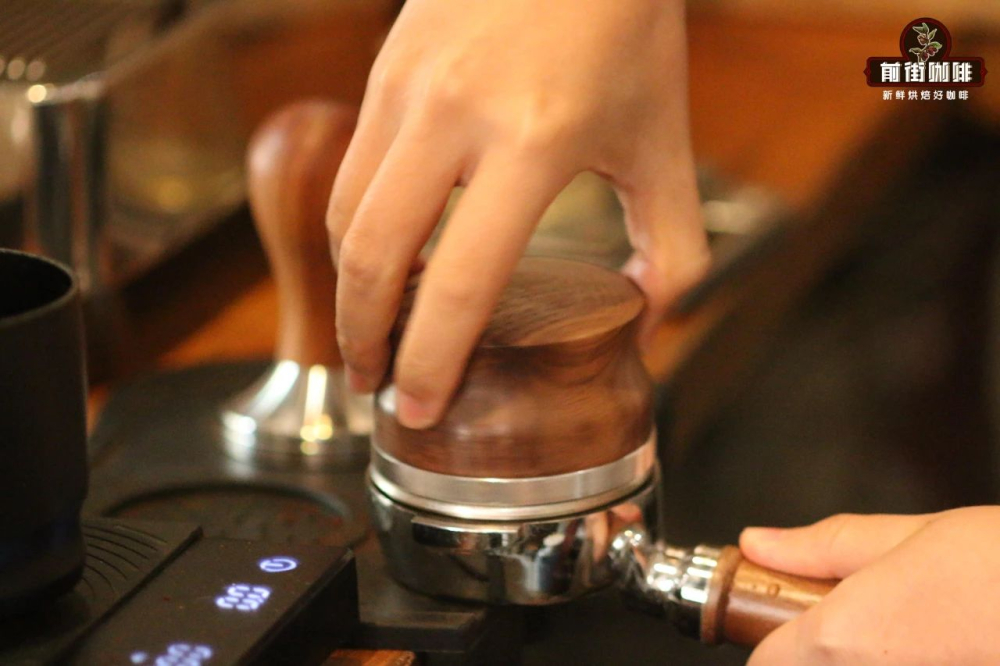
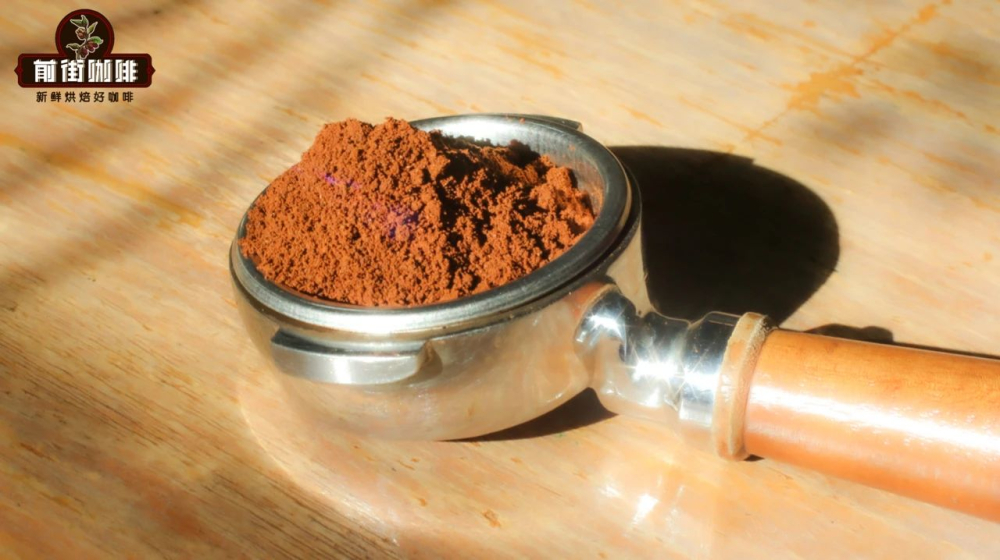
Even distribution and tamping are also key steps that affect extraction uniformity. After pouring the coffee grounds into the portafilter basket, techniques such as WDT (Weiss Distribution Technique) should be used to eliminate clumps and air pockets and avoid channeling. Before tamping, evenly level the coffee grounds, then apply moderate pressure to compact them. The goal is to create a flat coffee bed and remove excess air. Avoid tamping too hard—over-compaction can hinder water flow, leading to over-extraction or uneven extraction.
Coffee-to-water ratio is another core parameter of espresso. A common espresso ratio is 1:2—for example, using 20 grams of coffee to extract 40 grams of espresso. However, depending on personal preference or regional style, this ratio can be adjusted from 1:1 to 1:4. Examples include the more concentrated Ristretto (1:1 to 1:1.5), the standard Normale (1:2), and the lighter Lungo (1:3 to 1:4). Different ratios affect the intensity of the espresso and how it performs when mixed with milk. For a common latte, the typical espresso-to-milk ratio is 1:6.5—that is, 40 grams of espresso with 260 grams of steamed milk.

Extraction pressure and temperature are also critical. It is generally recommended to use an extraction pressure of 6–9 BAR, which is the standard range for most espresso machines. But higher pressure isn’t always better—the key lies in the balance between pressure, grind size, and coffee-to-water ratio. For temperature, it is recommended to use water heated to 91–96°C. However, dark roast beans suit slightly lower temperatures (around 90–93°C) to avoid over-extraction and bitterness, while light roast beans can use slightly higher temperatures (around 94–96°C) to fully bring out acidity and aroma. Regardless of the machine used, preheating to working temperature is essential.
Finally, once you’ve mastered all the above parameters and techniques, you’ll be able to consistently pull thick, creamy, and well-balanced espresso shots. Even if the resulting coffee puck appears wet or muddy, as long as the extraction is uniform, it won’t negatively impact the final flavor.
Next, let’s take a real-world latte-making example: using 20 grams of coffee to extract 40 grams of espresso in 27 seconds as the base for the latte. After extraction, steam the milk using a pitcher and steam wand to create microfoam, keeping the milk temperature between 60–66°C. Finally, combine the espresso and milk foam to complete a smooth and flavorful latte. Whether or not you can latte art doesn’t affect the flavor of the latte itself.
The above content is compiled by CoffeeHunters, a coffee news website.


