







Introduction:Mandheling coffee is the most iconic variety from Sumatra, Indonesia, but it can actually be subdivided into several types, including Lintong, Golden, Tiger, and Aged, each with unique regional environments, processing techniques, and flavor profiles. This article delves into the differences between these four classic Mandheling types, guiding you from their naming origins, growing altitudes, processing methods, to pour over brewing suggestions and flavor characteristics—offering a comprehensive grasp of this dark roast coffee’s charm and nuances.
When Indonesian coffee is mentioned, most people immediately think of Mandheling from Sumatra. This coffee, known for its low acidity and rich, bold body, is a top choice for many serious coffee enthusiasts. However, Mandheling is not a single type; depending on the origin, processing method, and selection criteria, it can be divided into at least four classic types: Lintong Mandheling, Golden Mandheling, Tiger Mandheling, and Aged Mandheling. Each has its own unique flavor code, and understanding their differences is key to truly appreciating the depth of Mandheling.
The Origins of Mandheling and the Sumatra Region
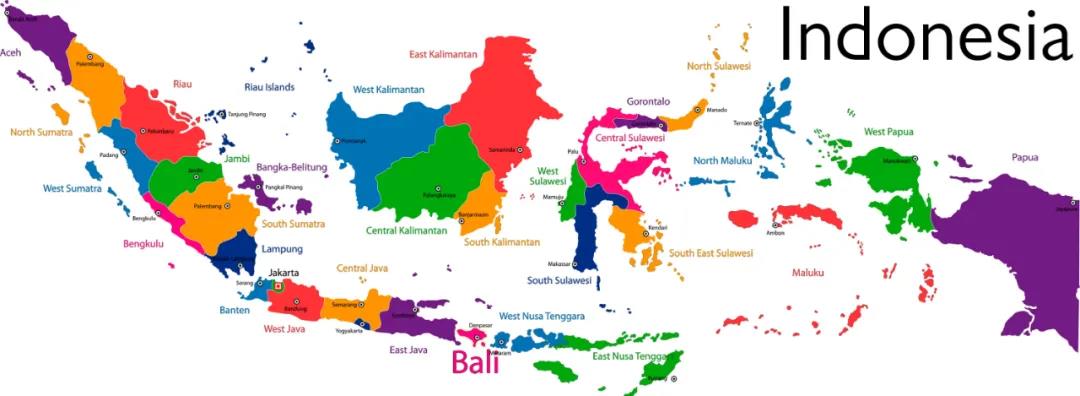
Interestingly, “Mandheling” was not originally a coffee name, but rather the name of an indigenous ethnic group in Indonesia. Legend has it that after returning home following World War II, Japanese soldiers couldn’t forget a particularly bold and flavorful coffee they had tried locally. They sought it again through local traders, but due to the sensitive sourcing, the trader casually responded with “Mandheling.” The name stuck by chance and became synonymous with this type of coffee. In reality, this widely loved coffee comes from central-northern Sumatra, especially around the Lake Toba area in the Lintong region.
As one of the first regions in Indonesia to cultivate coffee, Sumatra began growing coffee under Dutch colonization in 1696. While early coffee trade was mostly centered around Java, it was ultimately the Mandheling from Sumatra that brought Indonesian coffee global fame. Coffee here is mostly processed using the “wet-hulled” method, resulting in its characteristic low acidity, full body, and intense herbal and spicy notes.
A Detailed Look at the Four Classic Types of Mandheling
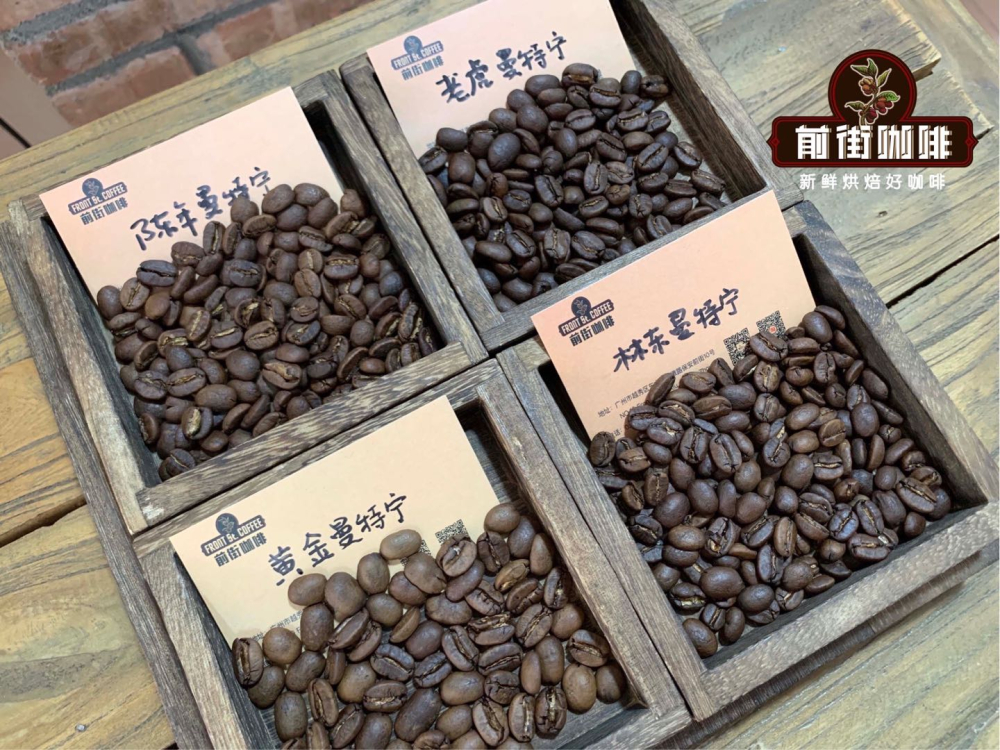
The Mandheling commonly found on the market can generally be categorized into four classic types: Lintong Mandheling, Golden Mandheling, Tiger Mandheling, and Aged Mandheling. Below, we describe their origins, processing methods, and flavor profiles.
Lintong Mandheling: Classic Richness with Herbal Notes
Lintong Mandheling comes from the Lintong mountainous region in central-northern Sumatra, near Lake Toba, at an altitude of about 1100–1600 meters. It is the most common type of Mandheling on the market. This bean is processed using the traditionalwet-hulled method. Because the beans are hulled at a semi-dry state, they often develop the distinctive “elephant ear” appearance, which is normal and not a defect. In terms of flavor, Lintong Mandheling is known for its low acidity and rich, full-bodied taste, often featuring aromas of toasted bread, nuts, caramel, and herbs. It is a popular entry-level choice for many Mandheling beginners.
Golden Mandheling: Carefully Selected Large Beans with Clean, Bright Flavors
Golden Mandheling is produced in the Lintong region of northern Sumatra, at an altitude of 1100–1600 meters, primarily from theAteng variety. However, the high-quality versions commonly available on the market are usually G1 grade and have undergonefour rounds of hand-picking, with only uniformly sized, intact beans retained. Its processing method combines semi-washed and natural sun-drying, along with multiple rounds of selection and cleaning, resulting in higher clarity and sweetness. Golden Mandheling typically presents flavors of spices, herbs, caramel, pine, and chocolate, with a more balanced mouthfeel, often regarded as a more advanced choice among Mandhelings.Note: Authentic Golden Mandheling produced by Indonesia’s PWN company will bear the PWN logo on the sack and come with an official certificate per bag. Not all products marketed as “Golden Mandheling” are genuine.
Tiger Mandheling: High-Altitude Selection with Intense, Concentrated Flavors
Tiger Mandheling is selected from regular Mandheling beans throughthree rounds of strict screening using a 19-mesh sieve, choosing only uniformly sized AA-grade beans. As a result, it is also referred to as the “Tiger of Sumatra,” symbolizing its rarity and high quality. The beans are mainly Catimor, Typica, and Sidikalang varieties, and also use thewet-hulled methodfor processing. Due to the rigorous selection process, Tiger Mandheling exhibits more pronounced flavors of cream, dark chocolate, nuts, and caramel, with a rich mouthfeel and long-lasting aftertaste—making it a favorite among seasoned coffee drinkers.
Aged Mandheling: Time-Honored Transformation to Rich Depth
Aged Mandheling is a rather unique member of the Mandheling family. Its creation wasn’t initially intended to achieve an aged effect, but dates back to the Dutch colonial era when coffee beans were stored in warehouses for extended periods to ensure sufficient supply during transport, inadvertently developing distinctive aged flavors. Today, Aged Mandheling is processed with thewet-hulled methodand then stored for 2–3 years, during which it is regularly turned to prevent mold and kept in a cool, ventilated environment. Over time, the acidity gradually diminishes, transforming into rich notes of caramel, chocolate, and herbs, while the mouthfeel becomes smoother and deeper, resembling the mellow character of aged Pu-erh tea—with low acidity but ample sweetness.
Sun-Dried Mandheling: A Modern Approach Adding Fruit Layers
Compared to the traditional wet-hulled method, Sun-Dried Mandheling uses thenatural sun-drying process. Especially in the high-altitude, cool-climate, and large diurnal temperature range areas of Sumatra’s Lake Toba region—for example, the Wahana Estate—this method preserves full fruit fermentation, imparting more tropical fruit, fermented aromas, and soft acidity. This coffee often carries notes of melon, mango, and peach, alongside the inherent herbal undertones of Mandheling. It’s suitable for drinkers who enjoy a balance of fruity brightness and rich body.
Wet-Hulling: The Soul of Mandheling Processing
Due to Sumatra’s rainy climate, lack of stable sunlight, and economic constraints, the expensive washed method is difficult to adopt. Thus, the uniquewet-hulled methodwas developed. This technique involves removing the skin and pulp, briefly fermenting, then drying the beans to 30–50% moisture before removing the mucilage and parchment layer, and finally continuing to dry until 12–13% moisture. This process gives Mandheling its bold, rich, low-acid, and layered characteristics. Some farms also practice “aged wet-hulling,” storing the beans post-wet-hulling to further develop their flavors.
Pour Over Brewing Suggestions and Extraction Parameters
Mandheling is mostly medium to dark roasted and suitable for the Kono filter. Recommended coffee-to-water ratio:1:15,15 grams of coffee, water temperature controlled at88°C, grind size approximately20-mesh sieve passing rate of 70–75%. For lighter to medium roasts such as sun-dried Mandheling, you may switch to a V60 filter, water temperature90°C, grind size increased to20-mesh sieve passing rate of 80%. Generally, abrewing method in stagesis used: start with 30 grams of water for a 30-second bloom, then pour in small streams up to 125 grams for the first pour, and continue to 225 grams, with total extraction time around2 minutes 00 seconds to 2 minutes 10 seconds, adjusted slightly based on the filter and roast level.
Quick Overview of Flavor Characteristics
The above content is compiled by CoffeeHunters, a coffee news website.


