








Introduction:Cold drip coffee remains consistently popular even in winter, but many consumers still have questions about its refrigerated shelf life and how its flavor changes when heated. This article delves into the differences between cold drip and cold brew brewing methods, provides professional-level recommendations on grind size, coffee-to-water ratio, and pre-wetting, while also explaining how to choose beans based on different flavor profiles. Additionally, it offers clear answers regarding the number of days it can be stored in the refrigerator and the feasibility of heating for consumption, helping you fully master the key points of storing and enjoying cold drip coffee.
Even as the season turns colder, cold drip coffee remains a favorite among many coffee enthusiasts. This article will explore in detail the fundamental differences between cold drip and cold brew coffee, their key production aspects, recommended refrigerated storage durations, and how the taste of iced coffee changes when heated. Whether you want to know how long cold drip coffee can be kept in the fridge or are curious whether heating affects its flavor, the following content will provide practical and accurate answers.
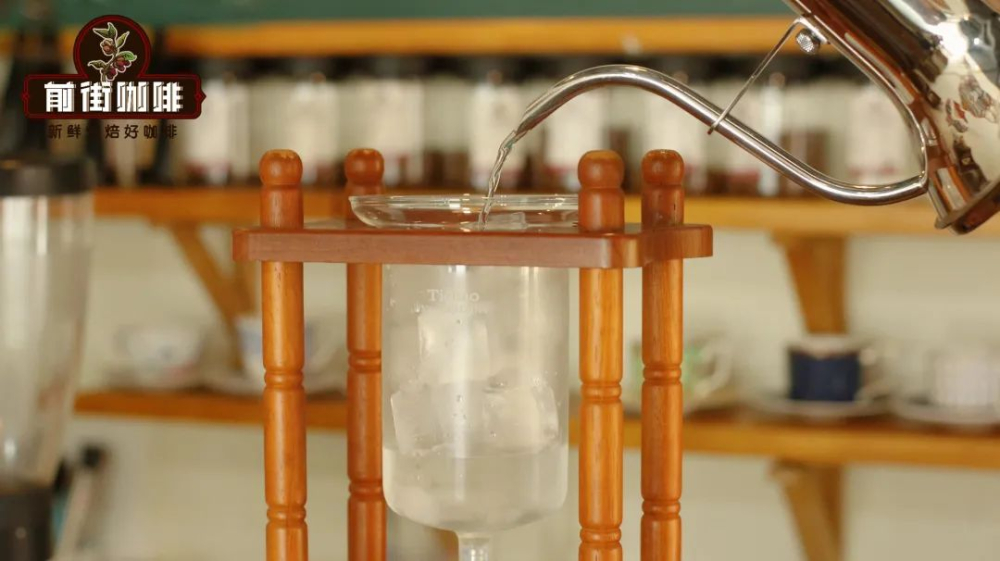
Although both cold drip and cold brew coffee are extracted at low temperatures, they differ significantly in brewing principles and flavor profiles.Cold Brew CoffeeIt is primarily made by steeping ice water and coffee grounds for an extended period, allowing flavor compounds to slowly release in a low-temperature environment. The overall taste is usually smoother and more layered. On the other hand,Cold Drip Coffeeinvolves melting ice water dripping drop by drop through a bed of coffee grounds. The extraction time is relatively shorter, typically around five hours, completing faster than cold brew’s eight to twelve hours.

When making cold drip coffee, it is recommended to adjust the grind size of the coffee slightly coarser than your usual pour over. This helps effectively avoid an overly intense taste. In practice, acoffee-to-water ratio of 1:10 is a commonly used standard. Some methods also use a 1:5:5 ratio for adjustments. The key lies in controlling the extraction time and drip rate to maintain balanced flavors. The initial pre-wetting step is also quite important—similar to the bloom in pour over—it helps the coffee grounds absorb water evenly and initiates the extraction process.
In the actual brewing process, first gently flatten the coffee grounds. Be careful not to press too hard; just make the surface even so that water can permeate uniformly. Then, place a piece of filter paper on top of the coffee bed, which can help improve the evenness of wetting during extraction. Next, use ice water for pre-wetting—an essential step for activating the coffee’s flavors. After that, pour the filtered coffee liquid into a sealed container and let it sit in the refrigerator overnight. This aids further flavor integration.
Compared to cold brew coffee, cold drip coffee has more frequent contact with air during extraction, making the overall flavor stability less easy to control. Cold brew, interacting only with ice water and coffee grounds, generally achieves better flavor consistency. As long as you control the coffee-to-water ratio and extraction time well, you can reliably reproduce a similar taste. Cold drip, however, requires close attention to the drip rate and total extraction time. Too long can lead to over-extraction, while too short may result in under-extraction.
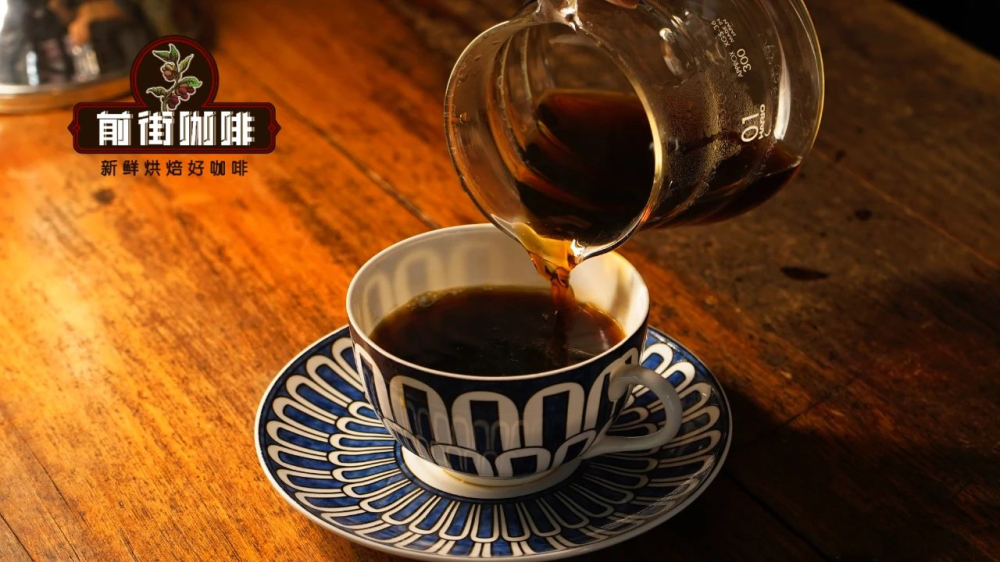
In terms of storage, the finished cold drip coffee is recommended to be kept in the refrigerator. It can generally be stored for5 to 7 days, during which the flavor can still remain in good condition. If you wish to further enhance flavor integration, some coffee enthusiasts choose to let the cold drip coffee sit in the refrigerator overnight, allowing various flavor compounds more time to interact.
As for heating for consumption, many people wonder if iced coffee remains delicious when heated. In reality, once cold drip coffee is heated, the aromatic compounds—normally preserved due to low-temperature extraction—will quickly volatilize as the temperature rises, resulting in a significant reduction in flavor layering and subtlety. The taste can easily become thin and may even develop unpleasant burnt bitterness. If you really want to enjoy a warm coffee, it is recommended to use low-temperature heating (such as heating in a water bath to about 40–50°C), which can slightly reduce flavor loss, but it is still difficult to fully restore the original cold-drink flavor characteristics of cold drip coffee.
When it comes to bean selection, if you prefer cold drip coffee with intense fruit aromas, you can opt for single-origin beans with bright acidity and fruity notes—for example, Kenyan beans with tart tomato-like acidity and a berry finish, or sun-dried processed beans with bold fruitiness. If you enjoy flavors with wine-like and juice-like characteristics, you can try blends of beans with fermentative traits, such as combinations of sun-dried Hua Kui and Sidamo, which often bring out passionfruit and citrus flavors, with a more pronounced sweetness. In addition, beans with strawberry candy flavors are also a good choice, offering a creamy smooth texture and a soft gummy-like finish.
In summary, cold drip coffee not only differs from cold brew in its brewing method, but also has its own unique considerations in terms of storage and enjoyment. Mastering the appropriate grind size, coffee-to-water ratio, and refrigerated storage duration can help you fully experience the delicate flavors of cold drip coffee. If you wish to try heating it, it is advisable to carefully evaluate the trade-offs in flavor, or opt for a slightly warm serving instead, to preserve a more multi-dimensional taste experience.
The above content is compiled by CoffeeHunters, a coffee news website.


