








Introduction:Understanding the fundamental differences between espresso blends and single-origin coffee beans, and mastering their performance across various brewing methods, can help you choose the coffee beans that best suit your taste. This article provides a detailed analysis of how blends achieve flavor balance through multi-region sourcing, explores the rise and characteristics of Single Origin Espresso (SOE), and offers practical references on crema, mouthfeel, and cost-effectiveness to help coffee enthusiasts find their ideal choice.
Coffee beans on the market can generally be divided into two main categories: blends and single-origin beans. The former is typically used to make espresso, while the latter is widely applied in pour over, French press, and other filter brewing methods, as well as the increasingly popular Single Origin Espresso (SOE). These two types of beans each have their own unique features, and understanding their differences allows you to make more suitable choices based on brewing methods and flavor preferences.
As the name suggests, an espresso blend is composed of multiple single-origin coffee beans from different regions, blended in specific proportions. The goal is to integrate the strengths of various beans—such as balancing acidity, enhancing body, optimizing aroma layers, or even masking certain flavor flaws from a single origin. Blends emphasize overall harmony and stability of flavor, which is why they are often used for espresso-based drinks like espresso, latte, or cappuccino, where a rich and balanced taste is desired.
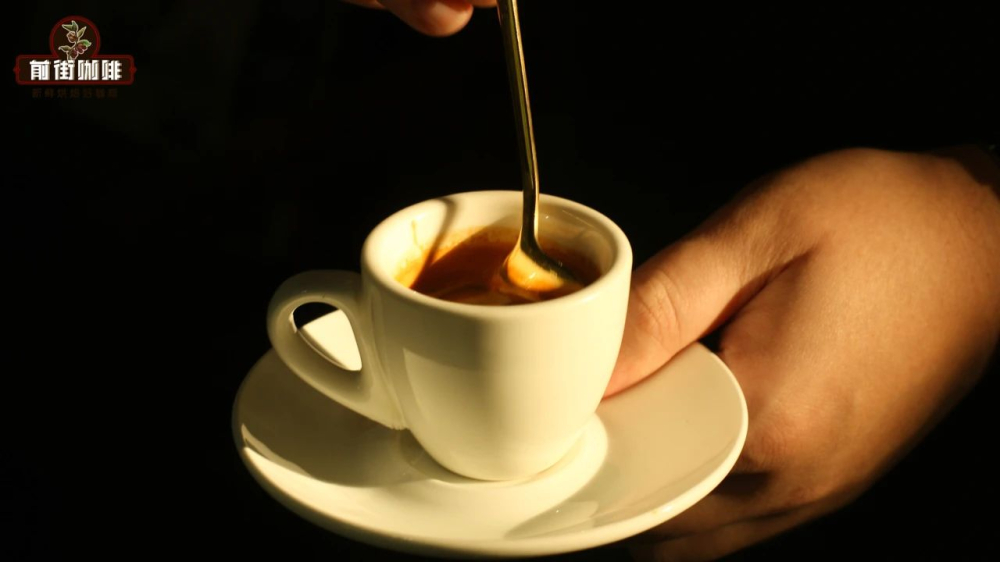
If you particularly enjoy bold crema and a full-bodied mouthfeel, a classic espresso blend might be worth considering. Such blends often feature aromas of butter, caramel, roasted nuts, and dark chocolate, with a rich and velvety profile upon tasting. They are not only excellent for drinking black but also pair wonderfully with milk, showcasing smoothness and layered complexity. For example, some blends use Brazilian and other Central and South American beans as a base, complemented by a small portion of beans from Asian origins, achieving a well-rounded profile with both sweetness and body.
If you’re on a budget but still want consistent performance, entry-level blends are also a solid option. These beans often combine cost-effective origins such as Yunnan or Brazil, delivering pronounced notes of nuts and ripe fruits—like plum-like acidity paired with creamy chocolate flavors. After grinding, they often emit a sweet cocoa aroma, and the crema presents a beautiful golden hue, making them suitable for both home and café use.
As for Single Origin Espresso (SOE), it represents a new trend in the coffee market in recent years. SOE stands for Single Origin Espresso, meaning single-origin coffee beans from the same region or even the same farm are used and extracted under high pressure via an espresso machine to highlight their unique regional characteristics. Compared to traditional blends, SOE better showcases the distinctive flavor traits of its origin—such as bright acidity, tropical fruit aromas, or unique sweetness and floral notes.
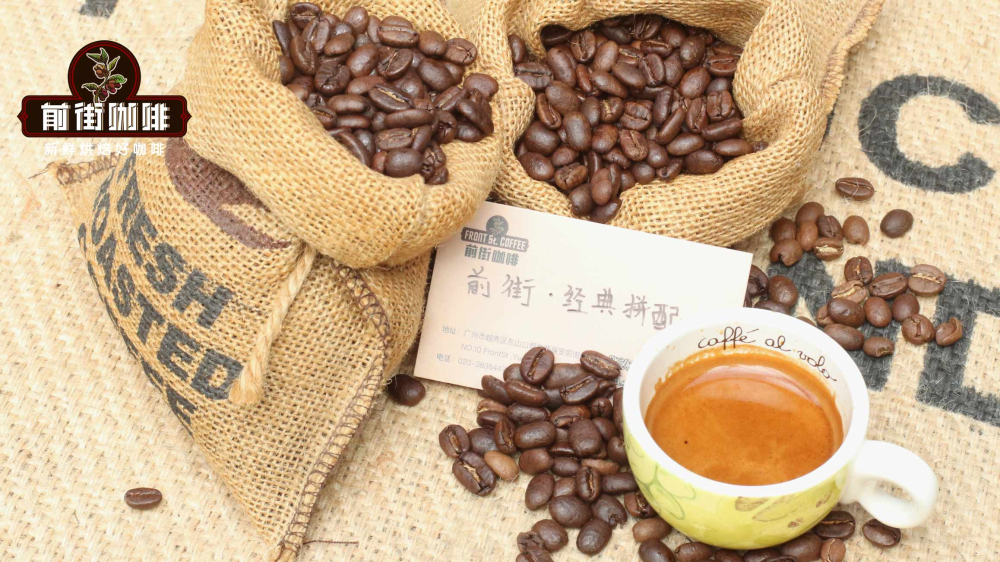
Common flavor profiles of SOE include citrus acidity, berry sweetness, intense tropical fruit character, and even creamy textures and silky mouthfeels. For instance, some SOEs from the Yirgacheffe region may exhibit distinct lemon or bergamot acidity paired with a tea-like finish, while certain single-origin beans from Central and South America might feature prominent notes of blueberry or cherry, followed by a sweet finish of chocolate or caramel. These flavors are already noticeable in pour over brewing, but they often become even more concentrated and intense under espresso extraction.
However, SOE also has its limitations. Since it uses beans from a single origin, any flavor defects or inconsistencies in processing from that particular batch can be more easily magnified in the espresso. Therefore, selecting high-quality and well-processed SOE beans is crucial for optimal extraction results. Additionally, SOE is not always superior to blends—it ultimately depends on personal preference and the type of coffee experience you’re seeking at the moment.
Whether you choose a blend or a single-origin bean, understanding their characteristics and suitable scenarios can help you bring out the beans’ full potential in espresso, pour over, or other brewing methods. From crema richness and acidity brightness to overall mouthfeel balance, each bean has its own unique charm waiting for you to explore.
The above content is compiled by CoffeeHunters, a coffee news website.


