







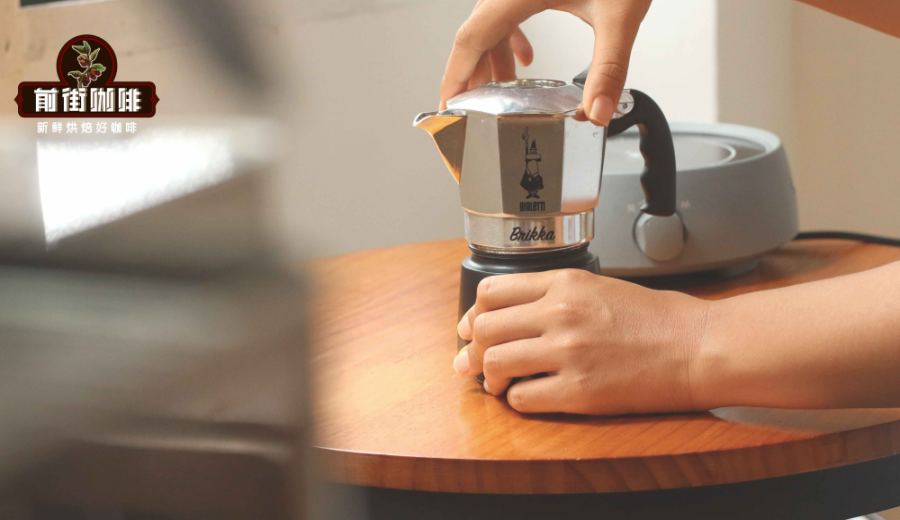
Introduction:Want to brew rich, crema-covered espresso-style coffee with a moka pot but always confused about how long to brew or when to turn off the heat? This article explains in detail the working principle of the moka pot, the differences between single and double valve models, and delves into grind size, coffee grounds filling techniques, heating methods, and the best timing to shut off the heat. From adding water to the lower chamber, filling the coffee basket, to completing the extraction, it provides practical advice and precautions for each step to help you easily brew a professional-level coffee experience at home.
With its simple design and pressure extraction principle, the moka pot can brew coffee with a rich taste and enticing crema in a home setting, making it a top choice for many coffee enthusiasts. However, many beginners often wonder “how long should I brew?” or “when should I turn it off?” This article will start with the basic principles of the moka pot, explaining the operation process and key details in detail, teaching you to steadily extract delicious coffee.
The core working principle of the moka pot is that heating the lower chamber generates steam pressure, which pushes hot water through the middle coffee grounds layer, extracting the flavor substances inside, and ultimately delivering a rich cup of coffee into the upper chamber. This method is similar to that of an espresso machine, producing an extraction pressure of about 1.2 to 3 atmospheres, making the coffee flavors more concentrated, the taste relatively fuller, and forming a fine layer of crema on the surface.
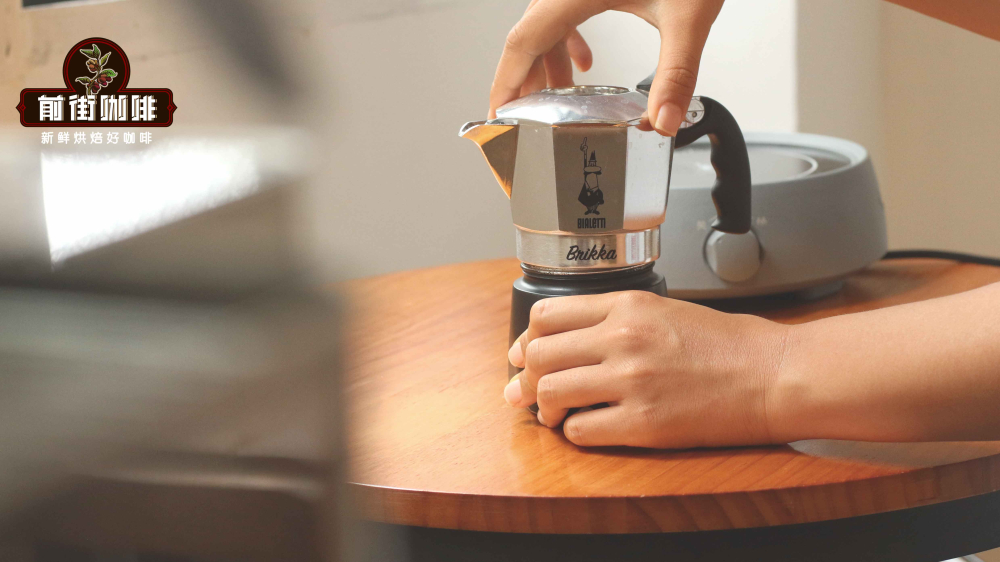
The overall structure of the moka pot is quite simple, mainly consisting of three parts: the upper chamber holds the brewed coffee, the middle coffee basket contains the ground coffee, and the lower chamber is used for holding water and heating. When heated, the water in the lower chamber turns into steam, gradually building up pressure that pushes the hot water upward, extracts the rich coffee liquid through the coffee grounds, and finally delivers it to the upper chamber.
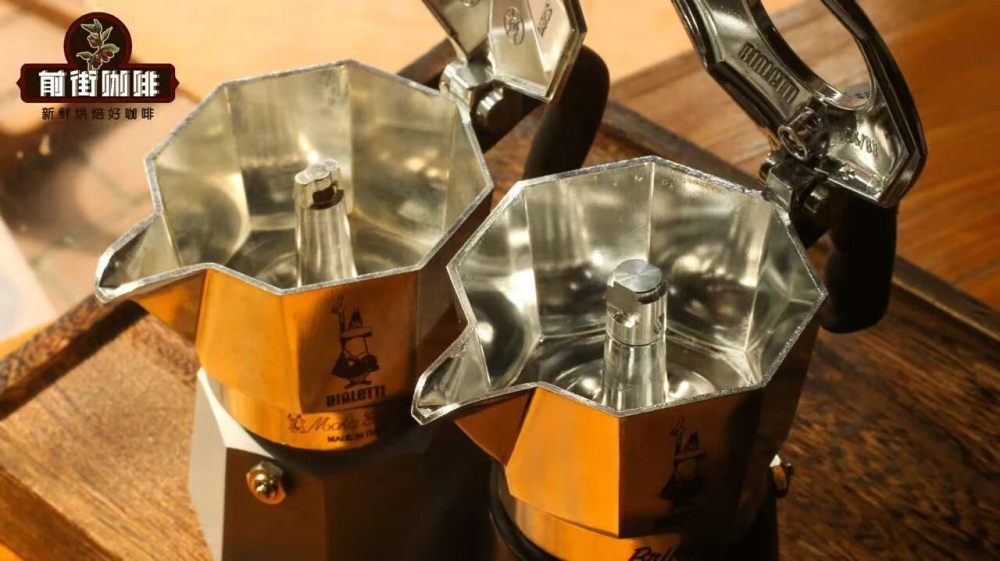
Moka pots on the market are mainly divided into single valve and double valve types. The double valve design has an additional pressure-collecting valve compared to the single valve, which can further increase pressure to extract a richer and more crema-laden coffee liquid. Although a moka pot cannot reach the 9+ atmospheres pressure of a professional espresso machine, it can still provide a very similar rich and bold taste experience for home use.
If you’re just starting to use a moka pot, choosing the right coffee beans is especially important. Since the moka pot uses pressurized extraction, it is particularly well-suited for medium to dark roasted beans. These beans, due to their longer roasting time, have richer caramelized aromas and contain more carbon dioxide, which helps release more complete flavors during extraction and form noticeable coffee crema.

It is recommended that beginners try a medium to dark roasted blend, such as one made from Yunnan small-seed variety and Brazilian Cerrado region beans. Such beans usually have nutty, chocolatey, and slight fruity notes, with a balanced flavor profile suitable for various brewing methods—whether making black coffee or adding milk, they perform excellently. Choosing the right beans is the first step to successful extraction.
When actually using the moka pot, it’s recommended to start by adding warm water to the lower chamber. This not only reduces the overall extraction time but also prevents the coffee grounds from being exposed to high temperatures instantly, which could lead to burnt or bitter flavors. The water level should be kept below the safety valve, which is designed to prevent dangerous situations caused by blocked pathways due to overly fine grounds or excessive tamping, where pressure cannot be released. If the water level covers the safety valve, any blockage could potentially lead to explosions or other accidents—be sure to pay attention.
The grind size of the coffee is one of the key factors affecting extraction. The grind needed for a moka pot is between that of pour over and espresso. It should be finer than typical pour over but slightly coarser than the output of commercial espresso grinders. Too coarse a grind will result in under-extraction, leading to sourness and uneven extraction; too fine will cause over-extraction, making the coffee bitter and hard to drink. It is recommended to use a fine grind setting of around 0.5—you can refer to the adjustment range of a high-quality home grinder and fine-tune as needed to find the setting that suits your taste best.
When filling the coffee grounds, pour them into the basket and then gently level the surface—there’s no need to tamp hard. Overly compacted coffee layers will hinder water flow, causing uneven extraction or excessive pressure that may lead to spraying. After filling, you can tightly attach the upper and lower chambers. It is recommended to screw them together with moderate force to ensure they don’t come loose due to steam pressure during heating.
Next, place the moka pot on a gas stove or induction cooker to heat. If using an open flame, control the fire so it’s concentrated at the base of the pot, avoiding flames extending beyond the base to prevent overheating or localized scorching. When the moka pot starts heating, you’ll soon hear a hissing sound, indicating that pressure is gradually building. At this point, you can reduce the flame to make the extraction process more stable. When you see coffee liquid slowly starting to flow from the upper chamber and the liquid level reaches about halfway, you can turn off the heat and let the residual heat complete the extraction.
After turning off the heat, it’s recommended to use a damp towel to help move the moka pot to avoid scalding. The total extraction time is generally around 3 to 4 minutes, during which a rich and balanced coffee liquid can be steadily extracted. If you hear continuous hissing but no coffee is coming out, it may be that the spout is clogged—turn off the heat immediately and check for blockages to prevent excessive pressure buildup and potential danger.
After extraction, you can adjust the drinking method according to your preference: if you prefer black coffee, you can dilute it with warm or cold water at a 1:1 ratio to adjust concentration; if you prefer milk coffee, it’s suggested to add fresh milk at a 1:2 ratio, which can both dilute the strength and enhance overall smoothness and aroma.
After each use, be sure to clean all parts of the moka pot immediately, especially the coffee basket, filter plate, and sealing gasket, to avoid fermentation or odors from leftover coffee grounds, which can affect the flavor of the next brew. Long-term accumulation of carbon deposits or coffee oils may also clog pathways, impacting pressure release and coffee flow rate. It is recommended to regularly inspect and thoroughly clean to maintain the moka pot in optimal condition.

The above content is compiled by CoffeeHunters, a coffee news website.


