








Introduction:Want to know what makes Costa Rican honey-processed Geisha unique? This article takes an in-depth look at a honey-processed Geisha bean from Panama’s Boquete region, analyzing how the local volcanic terrain and microclimate contribute to its exceptional quality. It also breaks down pour over parameters, step-by-step extraction processes, and practical tips in detail. From water temperature and grind size to pouring rhythm, it provides a complete, ready-to-use guide, along with a clear flavor profile to help you better understand the layered characteristics of this coffee.
Although Geisha coffee is most famously associated with Panama, the soil, climate, and processing methods of different regions can impart vastly different flavor personalities to this bean. This piece focuses on a honey-processed Geisha from Panama’s (note: the original text refers to Panama, adjusted here for consistency) Boquete region, taking you through the growing environment, processing techniques, and hands-on brewing process to fully grasp the essence of this specialty coffee.

When it comes to Geisha, many people’s first thought is Panama’s Hacienda Esmeralda—its Red and Green Label Geishas have long been regarded as flavor benchmarks in the premium market. But the Geisha variety can actually present a diverse range of profiles depending on the region: readers who prefer a pronounced sweetness and versatility across brewing methods might want to check out Costa Rica’s Strawberry Sugar Blend Geisha (honey-processed); those who favor a fresh, fruity profile and great value might opt for Ethiopia’s Grana Geisha as an entry point. And our featured coffee—the newly arrived Panamanian Boquete honey-processed Geisha—brings its own distinctive regional character.
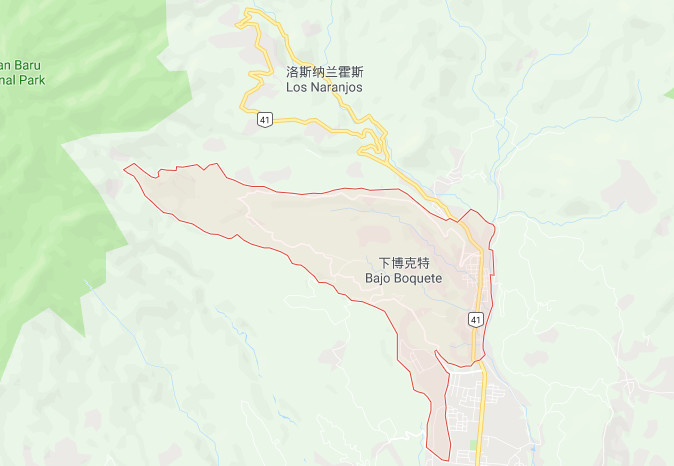
Boquete, Panama, is located in the Chiriquí Province, right on the border between Panama and Costa Rica, and directly facing the famous active volcano Barú. This area not only boasts stunning landscapes but also features deep, fertile soil. Coupled with its high altitude and unique microclimate, it has become a golden zone for cultivating specialty coffee. Boquete lies on the windward side of the Central Mountain Range, where its east-west topography channels cool air up the mountainside, creating a dynamic microclimate above 6,500 feet (approximately 1,980 meters) with moderate temperatures and even rainfall distribution. These ideal conditions allow coffee trees to thrive, ultimately producing beans with rich flavors and complex layers.
The “honey processing method” used for this Geisha is a key technique that sets it apart from traditional washed and natural processes. The hallmark of honey processing is that after removing the outer fruit layer of the coffee cherry, the sticky mucilage layer (i.e., the “honey”) is intentionally retained before sun drying. This method requires strict control of ventilation conditions during drying to prevent the mucilage from fermenting or spoiling. Compared to washed processing, honey processing preserves more sugars and organic compounds, resulting in a cup with more pronounced sweetness, a fuller body, and a bright acidity paired with complex flavors.
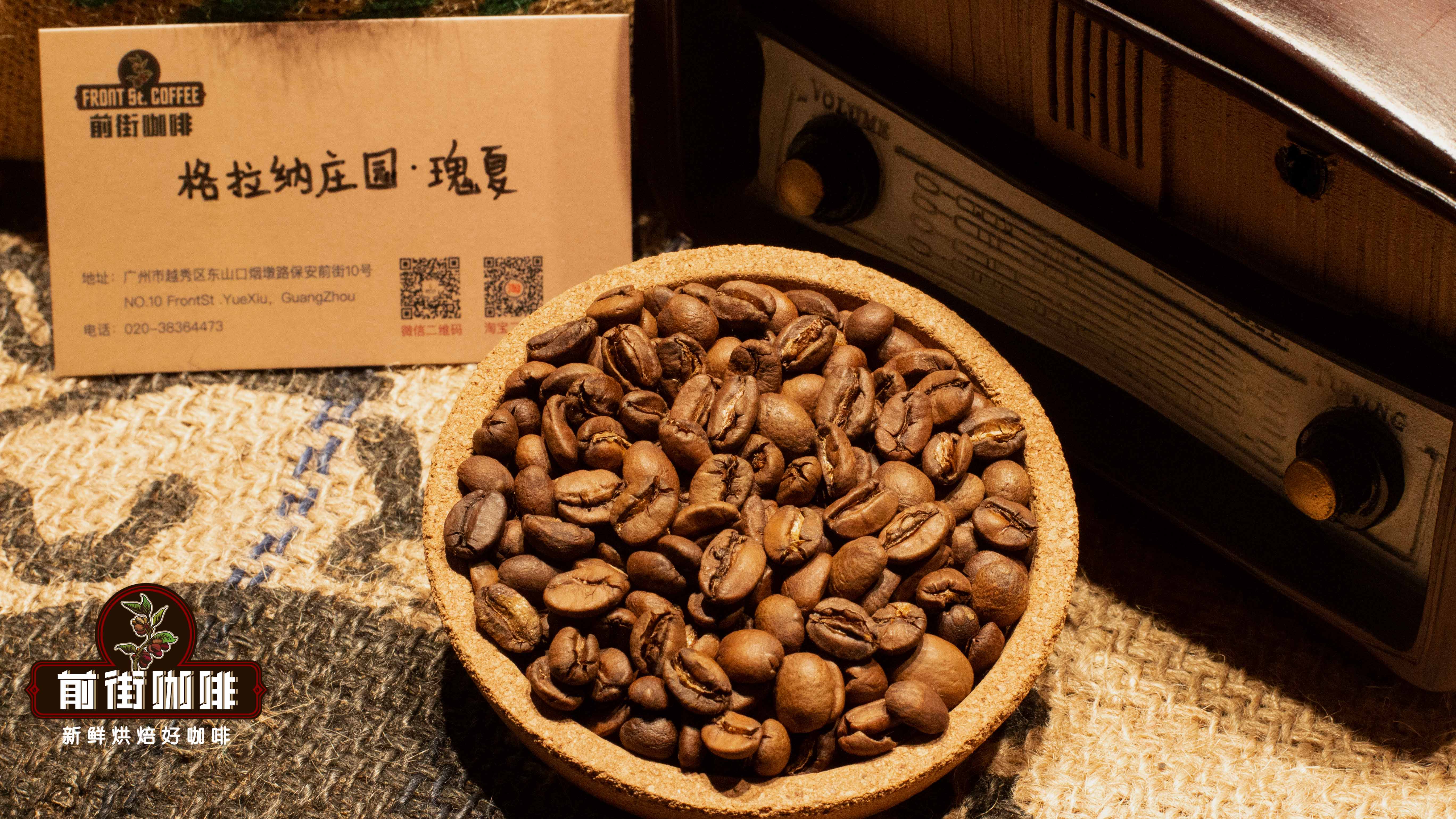
Here’s the info on the beans used this time: grown in Panama’s Boquete region, at an altitude of 1,600–1,650 meters, of the Geisha variety, and processed using the honey method. These factors collectively form the foundation of its flavor profile—high altitude contributes vibrant acidity and liveliness, while honey processing leads to sugar accumulation, promising a rich and diverse taste experience.
For actual pour over brewing, the following tested and effective parameters and steps are recommended: use water at around 90°C (adjust slightly based on roast level), a medium-fine grind (about 80% passing through a Chinese standard No. 20 sieve, equivalent to BG-6L specification), paired with a Hario V60 filter cone, and a brew ratio of 1:15 (e.g., 15 grams of coffee to 225 milliliters of water). The specific brewing process is divided into three stages: the first stage involves pouring 35 grams of hot water for a 30-second bloom to initiate aroma release from the coffee grounds; the second stage continues pouring until the total water volume reaches 130 grams, then pauses—wait until the bed level naturally drops to just about to expose the coffee grounds, then continue pouring to reach a total of 230 grams; finally, when the water level drops close to the surface of the coffee bed again, remove the filter cone to end extraction. The entire process (timed from the start of the bloom) is kept to about 2 minutes. This parameter setup helps balance the extraction ratio of soluble substances, avoiding over-extraction or under-extraction.
Regarding common precautions: when using a medium-fine grind, it’s recommended to test the water flow rate in advance—if drainage is too slow, slightly adjust the grind to be a bit coarser; during the bloom stage, make sure the coffee bed absorbs water evenly to avoid localized clumping, which can affect the uniformity of subsequent extraction; when pouring, it’s advised to use a circular motion from the center outward (without touching the filter wall) to maintain a stable flow rate and efficient coffee-water contact.
In terms of flavor profile, this coffee offers noticeable fermentation aromas and delicate floral notes right when the bag is opened or the beans are ground; on the palate, the initial tones are dominated by the bright acidity of citrus fruits (like orange) and lemon, the mid-palate gradually reveals a creamy, silky sweetness, and the finish leaves a refreshing green tea-like aftertaste, accompanied by the natural sweetness of cane sugar and honey. The overall profile is well-layered with a lingering finish, making it highly suitable for coffee lovers who appreciate balanced flavors and nuanced details.
The above content is compiled by CoffeeHunters, a coffee news website.


