








Introduction:You don’t need professional pour over equipment to enjoy a refreshing iced coffee either. This article will teach you how to make two distinctly different iced coffees using the most common hanging filter bags—pour over iced coffee and cold brew coffee. From coffee-to-water ratio, water temperature control, pouring techniques to refrigeration and filtration steps, we detail the key parameters and practical tips for both methods. Whether you prefer bright acidity and floral-fruity notes or a rich, low-temperature extraction with full body, you can easily achieve it at home.
On a hot summer day, what could be more soothing than a chilled, penetratingly cool cup of coffee? However, not every coffee enthusiast has a full set of pour over tools. In fact, with just one hanging filter bag, you can make two types of iced coffee with vastly different flavor profiles: pour over iced coffee and cold brew coffee. These two methods not only have a low barrier to entry but are also very simple to operate, making them excellent choices for summer coffee lovers.

To make an ideal iced coffee with hanging filters, choosing the right coffee bean with the desired flavor characteristics is crucial. If you prefer a bright, refreshing acidity with fruity and floral notes, you might want to consider single-origin hanging filter bags such as Huagu or Fruit Ding Ding. If you’re more into a rich, full-bodied flavor with chocolatey or caramel undertones, hanging filters like Xiazha or Strawberry Candy would be more suitable.
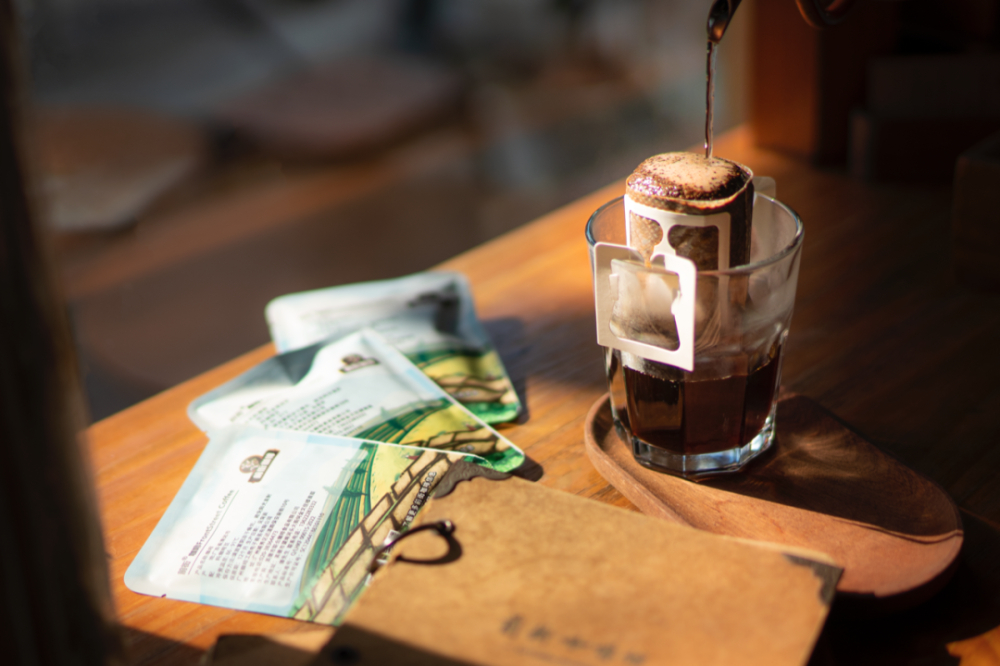
Among these, the method for making pour over iced coffee is derived from hot pour over, but with key adjustments in the process, mainly aimed at reducing the impact of ice melt on coffee concentration. While the traditional method allows you to pour hot and then add ice directly, the melting ice can easily dilute the coffee. Therefore, we need to adjust factors such as coffee-to-water ratio, water temperature, and pouring technique.
When using hanging filters, since the grind size is pre-set and cannot be adjusted like in manual pour over, it’s recommended to start by modifying the water temperature and total water volume. Specifically, you can reduce the total amount of hot water poured and slightly increase the water temperature to ensure that flavor compounds are effectively extracted without under-extraction due to reduced water volume.
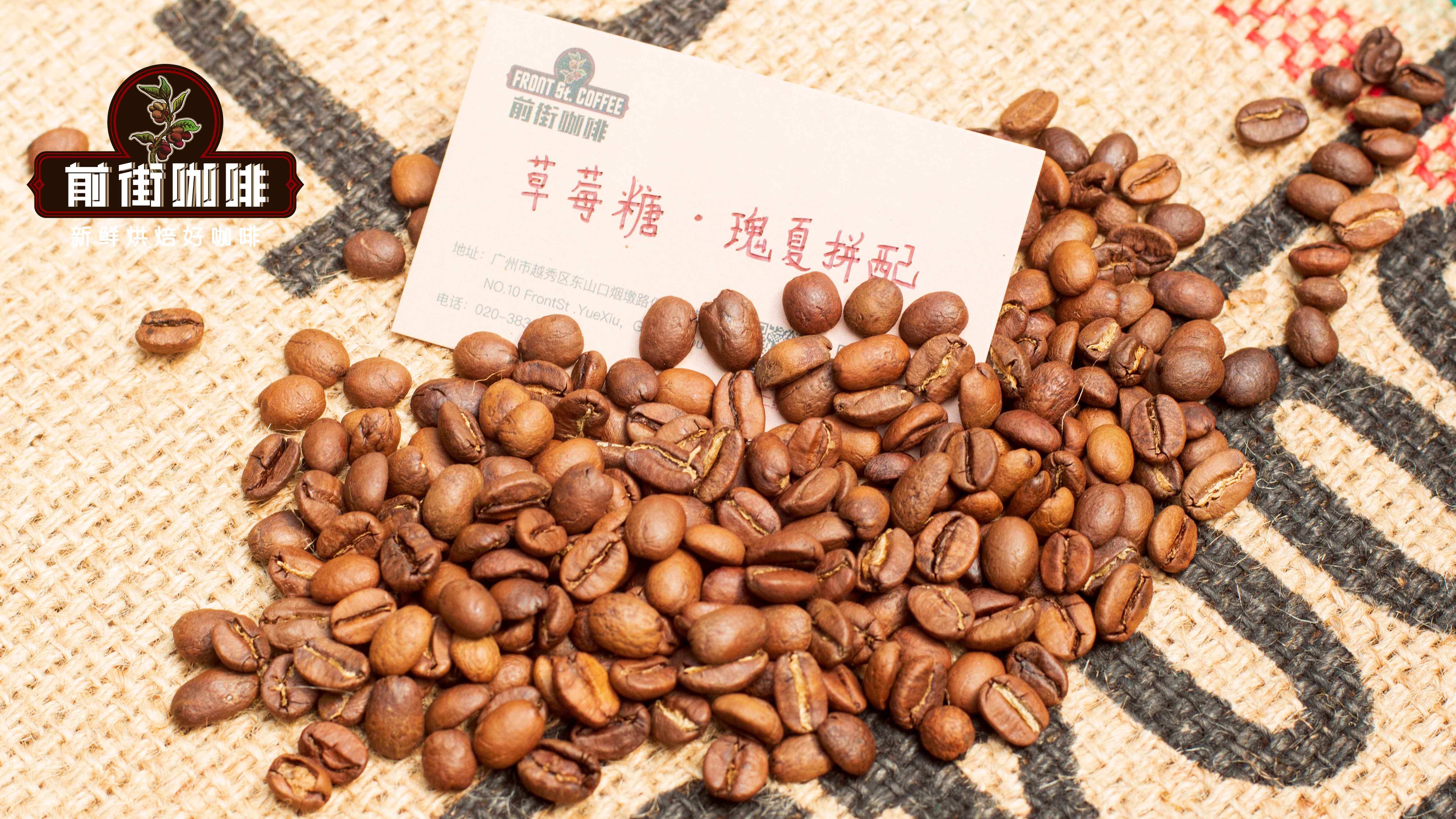
Here’s a practical example: take the Strawberry Candy hanging filter as an example, each pack contains 10 grams of coffee grounds. It is recommended to usea water temperature of 93°C (reduce to 90°C if using dark roast), and adopt acoffee-to-water-to-ice ratio of 1:10:6, which means 10 grams of coffee grounds with 100 milliliters of hot water and 60 grams of ice. The operation steps are as follows:
First, prepare a tall glass or a short, wide cup with a large capacity, and place the ice cubes in it first. Then hang the hanging filter bag over the mouth of the cup. Once the water reaches the target temperature, pour 20 milliliters of hot water for a 25–30 second bloom. After the bloom, evenly distribute the remaining 80 milliliters of hot water in four pours, 20 milliliters each time. It is recommended to use a thin stream of water and pour slowly in a circular motion, ensuring the previous pour has completely dripped through before the next. Once the final pour has fully drained, remove the hanging filter bag, gently stir the coffee liquid to even out the temperature and concentration, and it’s ready to enjoy.
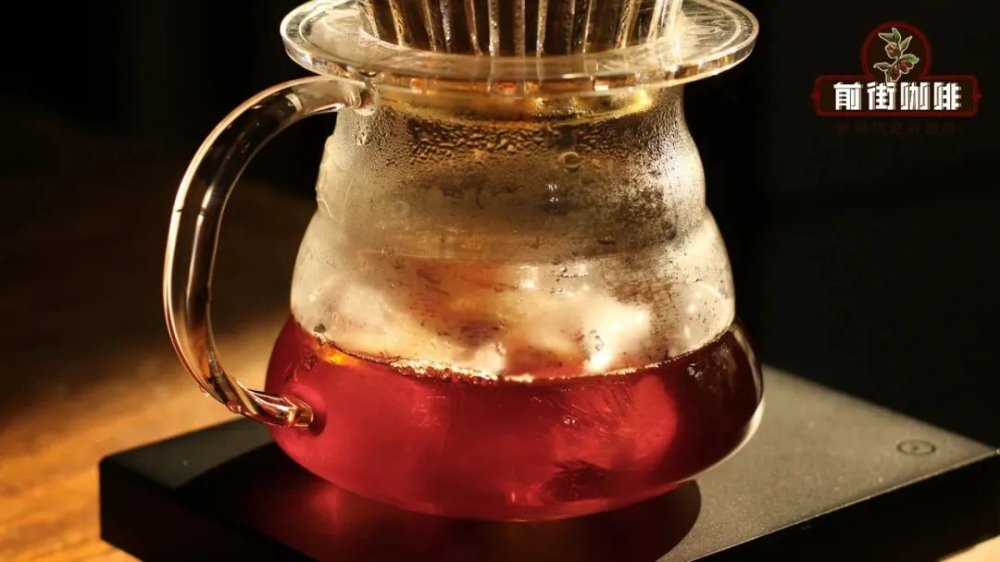
If you want to try a simpler and more hassle-free way to make iced coffee, cold brew is definitely the beginner's top choice. The cold brew process doesn’t require precise control of water flow or pouring technique—just a bit of patience, and you’ll get a cup of smooth, low-acidity, and easy-drinking iced coffee.
The key to cold brew lies in the coffee-to-water ratio and refrigeration time. If you plan to serve it over ice, it’s recommended to use acoffee-to-water ratio of 1:10; if not using ice, you can increase the ratio to1:12, resulting in an even more refreshing overall flavor. It’s worth noting that one hanging filter contains only 10 grams of coffee grounds. If you make it at a 1:10 ratio, you’ll end up with only about 80 milliliters of coffee liquid, which is too little for most people. Therefore, it’s suggested to use 3 to 5 hanging filters at a time to get a more sufficient amount.
Here’s a practical example using four Strawberry Candy hanging filters (totaling 40 grams of coffee grounds): First, open the hanging filter bags and pour the coffee grounds into a sealable bottle (you can keep the hanging filter paper sleeves and don’t need to discard them). Then pour in 400 milliliters of room temperature water, and use a spoon or stirring stick to thoroughly mix the coffee grounds with the water, ensuring all the powder is saturated. Next, tightly seal the lid and place the entire bottle in the refrigerator for refrigeration. It’s recommended to let it sit for8 to 12 hours; the longer it steeps, the richer the flavor. Once the time is up, filter the coffee liquid through the retained hanging filter bag to obtain a clear cold brew coffee. If not consumed immediately after filtration, it’s recommended to pour it back into the sealed bottle and store it in the refrigerator, where it can remain fresh for about five days. Enjoy the pleasure of iced coffee anytime.
The above content is compiled by CoffeeHunters, a coffee news website.


