







Introduction:The French press is a common brewing tool found in many coffee enthusiasts’ homes. It’s simple to use, preserves coffee oils, and enhances the richness of the flavor. However, to consistently brew a well-balanced cup of French press coffee, no detail can be overlooked—from grind size, coffee-to-water ratio, to steeping time. This article delves into the extraction principles of the French press, provides practical parameters such as a 1:16 coffee-to-water ratio and a 4-minute steeping recommendation, and includes step-by-step instructions and tips to help you easily master the usage of this classic brewing device.
Thanks to its ease of use, no need for paper filters, and ability to retain coffee oils, the French press has become a daily choice for many coffee lovers. But if you want to consistently extract coffee with rich flavors and a full-bodied taste, it’s essential to master key elements including coffee-to-water ratio, grind size, water temperature, and steeping time. This article will start with the basic extraction principles of the French press, gradually analyze their impact on coffee flavor, and use a practical ratio of 15 grams of coffee grounds to 240 grams of water as an example. We’ll guide you through every step from pouring water to pressing the filter, helping you easily brew a layered, great-tasting cup of coffee.
Modern urbanites enjoy coffee in various ways—some love the ritual of pour over, others are fascinated by the experimental fun of siphon brewers, and many prefer the simplicity and directness of the French press. Yet, each brewing method has its unique extraction logic, and the French press is no exception. Though its appearance and operation may seem straightforward, the science behind it is quite intricate, especially when different coffee-to-water ratios and timing controls yield distinct layers of flavor.
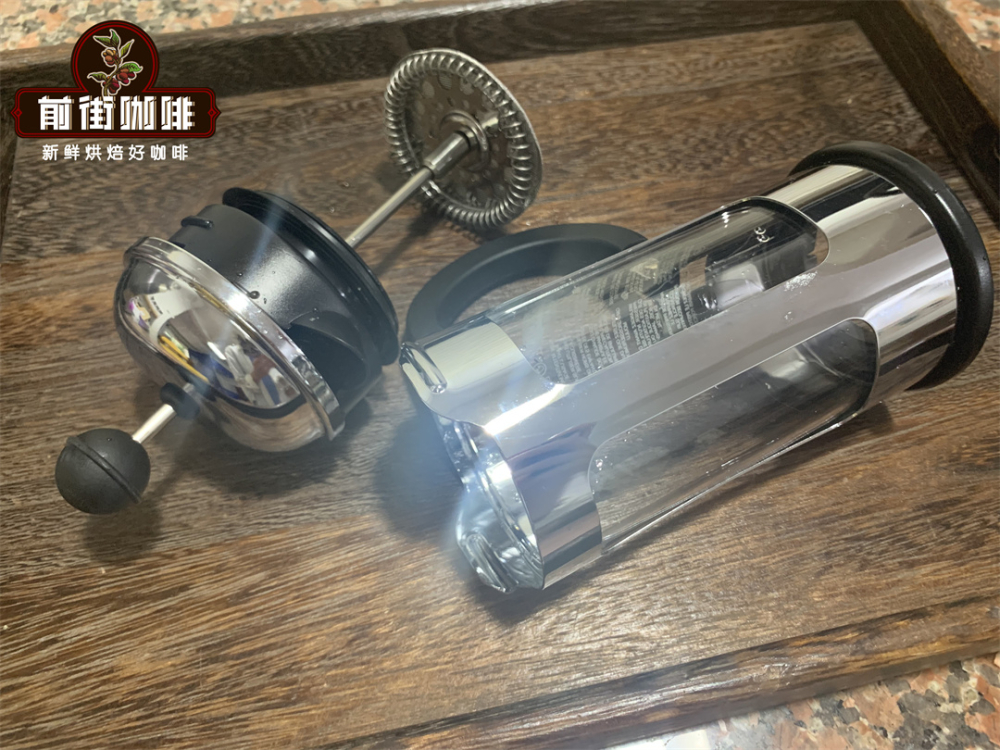
The basic structure of a French press is very simple: add coffee grounds and hot water into the pot, let it sit for a while, then press the coffee grounds to the bottom using the plunger to complete the extraction. The metal filter is not only reusable but also retains the precious natural oils in the coffee, resulting in a final cup that is richer, fuller, and more layered—this is one of the biggest differences compared to paper-filtered brewing methods.
Because of this, the French press can deliver an extraction effect close to that of cupping, fully releasing the aroma and oils in the coffee while providing a smooth, sweet, and rich taste, making it highly suitable as a breakfast coffee. When selecting coffee beans, medium to dark roasted single-origin beans are usually the better choice, especially those with pronounced fruit acidity and balanced flavors. For instance, Brazilian beans, Colombian Huila, Indonesian Mandheling, and Costa Rican Tarrazú are varieties with inherently stable flavor structures, and medium to dark roasting further enhances their aroma and body, making them well-suited for the immersion-style extraction of a French press.
In contrast, light roasted coffee beans, such as the commonly seen Ethiopian Yirgacheffe, though they can showcase clear floral-fruity notes and lemony acidity when brewed with pour over, often end up with a dull and one-dimensional flavor profile when steeped in a French press, and are therefore less recommended. If you’d like to try using a French press, it’s advisable to prioritize medium to dark roasted beans with robust flavors and a solid body foundation.
Next, we’ll use Colombian Huila coffee beans as an example to illustrate the specific French press brewing process. First, it’s recommended to grind the coffee beans to a medium-coarse level, slightly coarser than what you’d use for pour over, with an ideal sieve percentage between 70% and 75%. Grinding too fine may cause the coffee particles to pass through the metal filter, resulting in a cloudy brew.
For the coffee-to-water ratio, you can start with 1:10. Taking a two-person serving as an example, that would be about 20 grams of coffee grounds to 200 grams of water. However, the final ratio is ultimately recommended to be adjusted according to personal taste. If you’re using pre-ground coffee pods, such as those with 10 grams of coffee per pod, it’s suggested to use a 1:16 ratio—for example, 15 grams of coffee to 240 grams of water—which is also a very standard and beginner-friendly combination.
During the preparation stage, it’s recommended to use an electronic scale. Although the French press itself may come with measurements and a scoop, due to the varying densities of different beans, using a scale ensures greater accuracy in proportions and makes it easier to reproduce good flavors or make adjustments later. In addition, water quality is also a crucial factor affecting coffee performance. It’s recommended to use soft water such as Yibao mineral water, and to avoid overly hard or unfiltered water sources that may negatively impact the extraction results.
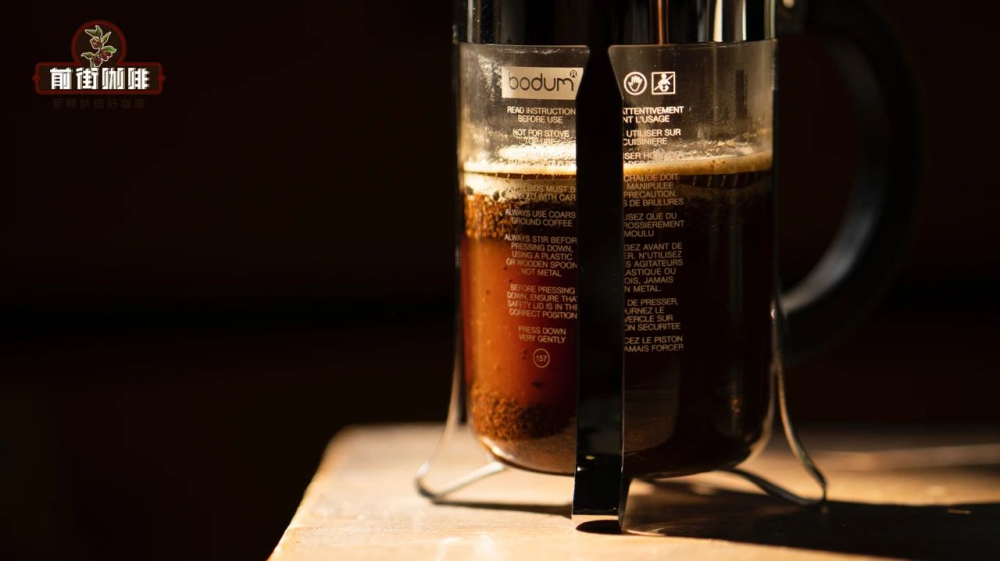
In terms of the specific brewing steps, first, add the medium-coarse ground coffee into the French press, then pour in hot water at around 93°C. Taking 15 grams of coffee to 240 grams of water as an example, after pouring the water, gently stir to ensure the coffee grounds are evenly saturated. Then, place the lid on the French press while keeping the plunger at the top, and let it steep for about 4 minutes to allow the coffee to fully extract.
Once the steeping time is complete, it’s recommended to first open the lid and use a spoon to remove any floating coffee foam and fine particles on the surface, then slowly press the plunger down to the bottom. After pressing, please pour the coffee liquid into another container as soon as possible to drink, in order to avoid over-extraction caused by continued contact with the coffee grounds, which could affect the taste. This way, you can enjoy a cup of French press coffee with balanced flavors, a full body, and the natural aroma of coffee oils.
In summary, the French press is one of the simplest, most convenient, and environmentally friendly ways to brew coffee. It requires no electricity, no complicated tools, no paper filters, and best of all, allows you to savor the natural oils and rich layers of the coffee itself. Whether you’re a busy office worker or simply someone who wants to enjoy a great cup of coffee at home, the French press is a practical option worth trying.
The above content is compiled by CoffeeHunters, a coffee news website.


