








Introduction:To easily brew a flavorful Piccolo Latte at home, choosing the right grinding equipment and espresso blend is key. This article starts with the origins and recipe ratio of the Piccolo, then delves into the extraction techniques for espresso and the logic behind milk pairing, while also comparing the differences between Piccolo, Flat White, Latte, and Cappuccino. It also recommends several practical espresso blends, including classic blends, Brazilian beans, Colombian washed beans, and Golden Mandheling, to help you master the art of recreating a rich, smooth, and liquor-chocolate flavored Piccolo coffee at home.
In recent years, espresso-based coffee has gained increasing popularity worldwide, with a variety of creative specialty drinks emerging constantly. Among them, the Piccolo Latte, though not as widely known as Latte or Cappuccino, has gradually become a popular choice for coffee enthusiasts to challenge at home due to its intense yet balanced flavor. This article will detail how to choose a suitable portable coffee grinder and break down the key steps in making a Piccolo Latte—from espresso extraction parameters and milk ratios to blend selection—so you can easily brew a delicious Piccolo coffee at home.
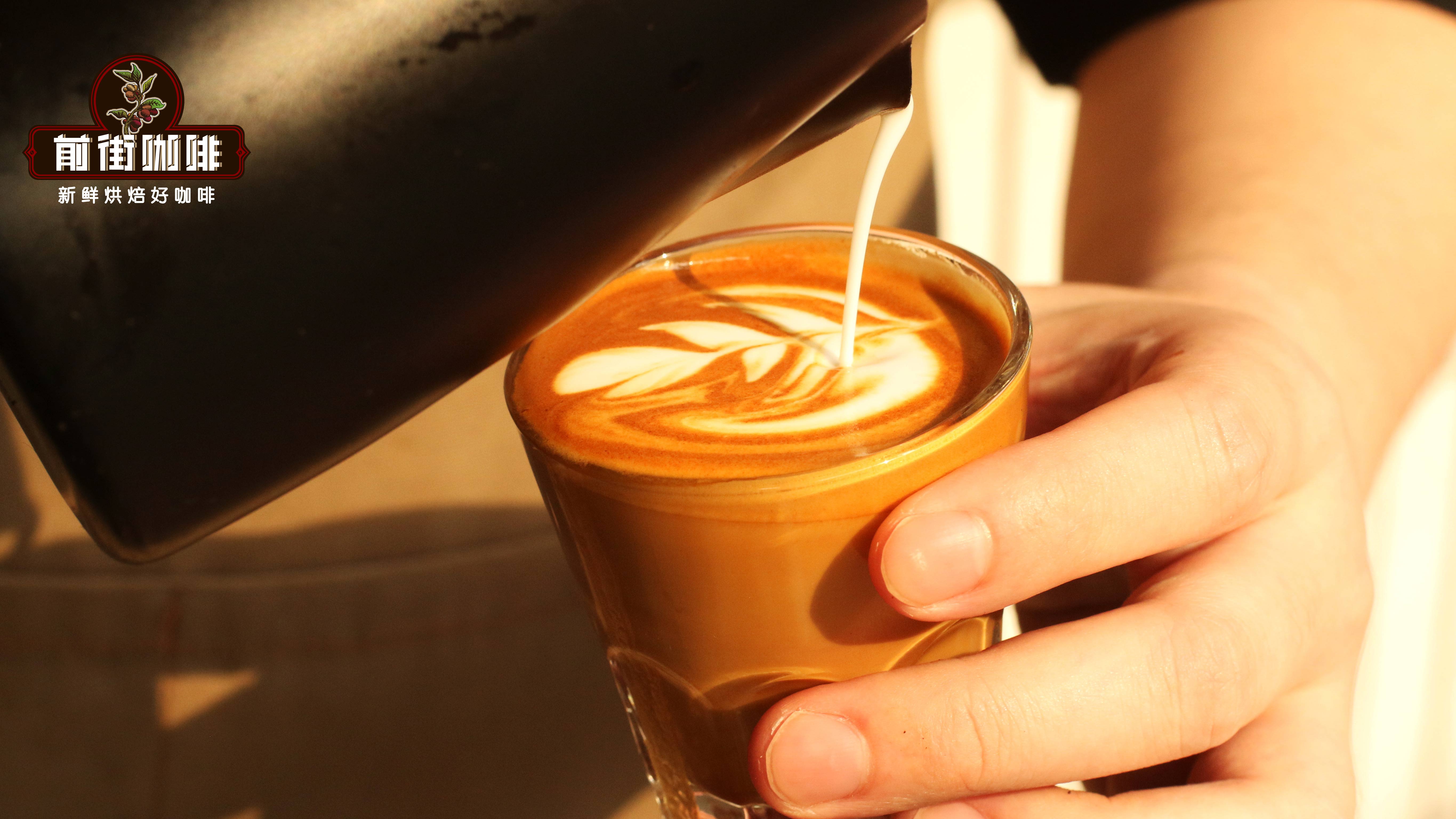
First, the name "Piccolo Latte" comes from the Italian "Piccolo Latte," where "Piccolo" means "small" and "Latte" means "milk." In English, "Piccolo" also refers to the musical instrument "piccolo," hence the Chinese translation as "短笛拿鐵" (Piccolo Latte). The standard preparation uses 15 to 20 milliliters of highly concentrated espresso, paired with steamed milk, typically served in a small glass cup of about 100 milliliters. Compared to a regular Latte, the Piccolo Latte has a higher coffee-to-milk ratio, resulting in a more concentrated overall flavor while still maintaining a smooth mouthfeel.
So, how do you make a simple and delicious Piccolo Latte? Essentially, it can be seen as a concentrated version of a Latte: smaller cup size, with less coffee and milk. A common method is to extract 15 to 20 grams of ristretto espresso, then pair it with about four times the amount of milk. If you don’t have a 100-milliliter specialty cup at home, you can also use a 150-milliliter cup, using 30 grams of espresso with 120 grams of milk to maintain the golden 1:4 ratio, which can also showcase the unique charm of Piccolo coffee.

In terms of bean selection, it’s recommended to prioritize classic espresso blends. For example, the classic blend is crafted to pay homage to the traditional "Mamba Coffee," combining the characteristics of Indonesian Mandheling and Brazilian beans—the former brings intense and bold aromas, while the latter provides a smooth and full-bodied mouthfeel, complementing each other with rich flavor layers. Additionally, this blend includes a small amount of Robusta, which can significantly enhance Crema performance, giving the espresso a more solid body, making it very suitable for home use and latte art.
If you want to try a more distinctive Piccolo coffee, consider using single-origin SOE beans, such as medium to dark roasted beans from South America or Asia, like Queen Estate Brazilian beans, Colombian washed beans, or PWN Golden Mandheling. These beans each have unique flavors, bringing more variety to the Piccolo coffee, from fruity to nutty profiles, allowing you to choose based on personal taste.
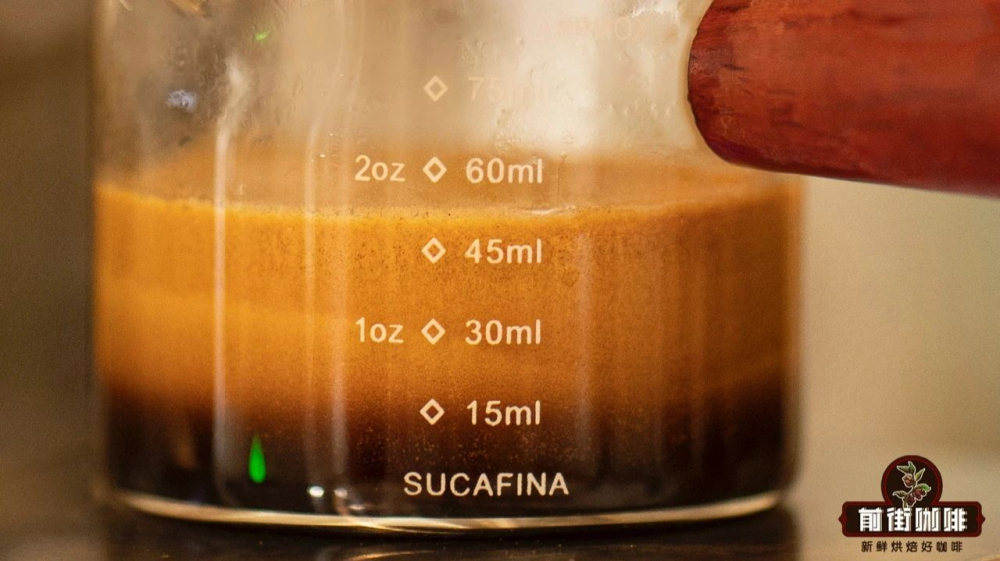
During actual extraction, it’s recommended to use 18 grams of coffee grounds, with an extraction time controlled around 27 seconds, aiming to yield 30 grams of espresso. Of course, parameters may vary slightly depending on your home espresso machine, so you can fine-tune grind size and pressure according to actual conditions to achieve the best extraction. This kind of espresso is the key to the standout flavor of the Piccolo Latte.
After completing the espresso extraction, pour in the pre-steamed milk, paying attention to control the milk foam thickness. The ideal state should be between that of a Latte and a Cappuccino—not as thin as a Flat White, nor as dense as a Cappuccino. The final product is smooth on the palate, with a distinct liquor-chocolate note, moderate sweetness, and a warm, lingering aftertaste, delivering a flavor that is both intense and well-balanced.
A common question is, what’s the difference between a Piccolo Latte and a Flat White? Simply put, a Flat White emphasizes the flavor of the coffee itself, with less milk and thinner foam, usually using a single or double Ristretto as the base. A Latte dilutes the espresso with a large amount of milk, where the milk aroma dominates; a Cappuccino, with its thick foam, has a texture closer to a foam coffee. The Piccolo Latte sits between the three, with a well-balanced coffee-to-milk ratio that allows you to appreciate the details of the coffee without losing the softness of the milk.
In summary, making an outstanding Piccolo Latte hinges on selecting the right grinding equipment and espresso blend. When choosing a portable coffee grinder, consider the uniformity of grind fineness and ease of operation to ensure each espresso extraction showcases the bean’s optimal flavor. Espresso blends can harmonize strengths from different regions and processing methods, creating a rich, balanced, and layered coffee foundation that lays a solid flavor base for the Piccolo Latte. By mastering these key elements, you too can enjoy a professional-level Piccolo coffee experience at home.
The above content is compiled by CoffeeHunters, a coffee news website.


