







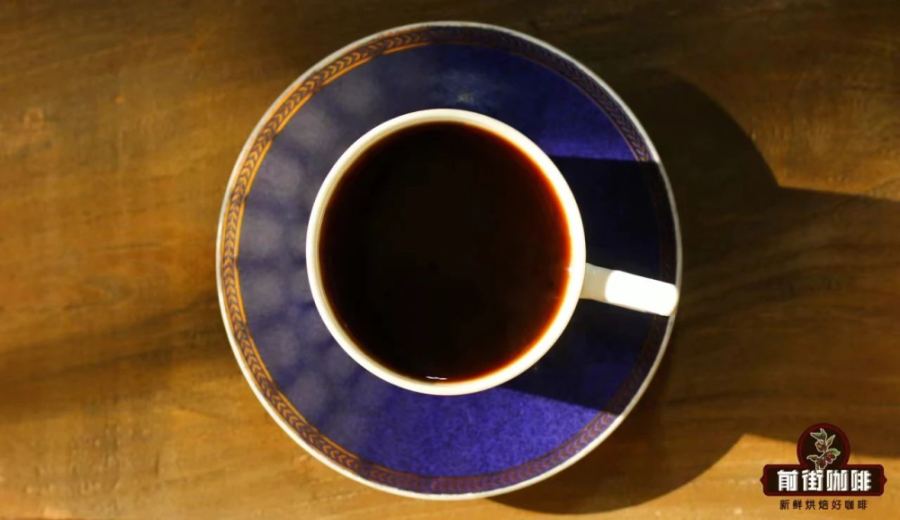
Introduction:Indonesian coffee is world-renowned for its rich, bold flavors with low acidity and a sweet aftertaste, among which Mandheling is a classic representative. This article delves into the origins of the name Mandheling, the distribution of its producing regions, explores the story behind Golden Mandheling and its connection to PWN Company, and compares the flavor profiles of different types such as Lintong, Tiger, and aged Mandheling. Through practical brewing parameters and flavor descriptions, it helps you choose the most suitable Indonesian coffee beans according to your preferences.
Indonesian coffee holds an irreplaceable position in the global specialty coffee market, and Mandheling is one of its most iconic offerings. Originating from Sumatra, this coffee is cherished by many coffee enthusiasts for its bold, rich profile, pronounced sweetness, and almost non-existent acidity. This article will start with the origin of the name Mandheling, guide you through its historical background and main producing regions, and take an in-depth look at the connection between Golden Mandheling and PWN Company, while also comparing the differences in flavor among Mandheling from Lintong, Tiger, and aged variations.
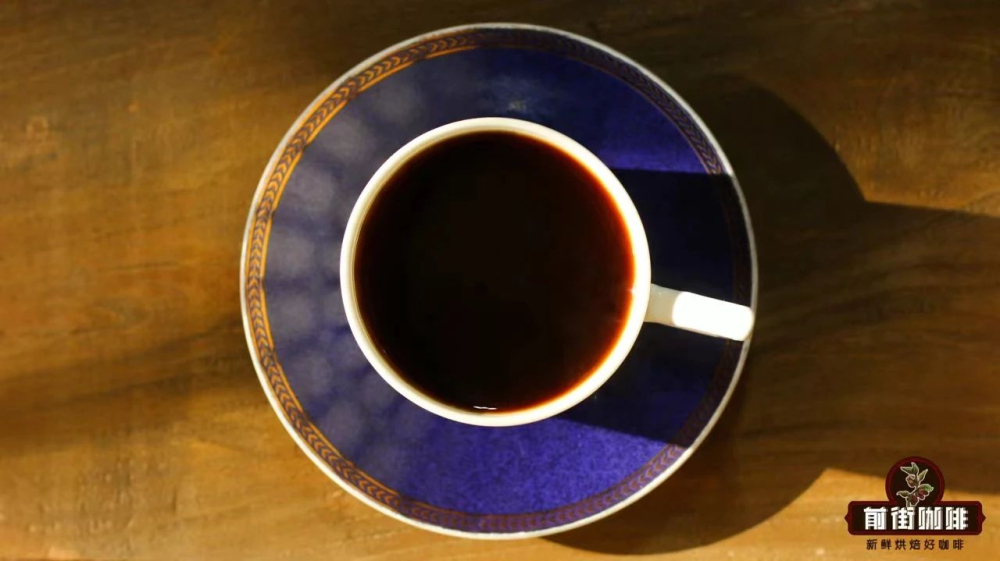
When it comes to single-origin coffee, the Mandheling beans from a well-known coffee brand are often regarded as one of the representatives of medium to dark roasts. With intense and concentrated flavors, a full aroma, high body, and an exceptionally clear sweetness, they are considered high-quality single-origin beans. Though commonly used for single-origin brewing, their rich chocolate and nutty tones also make them an ideal base bean for many cafés to craft espresso. In fact, many cafés add Mandheling to their blends to enhance complexity and depth of flavor.
Before Blue Mountain coffee became widely known, Mandheling was once hailed as the world’s number one premium coffee. The roasted beans are large, and the green beans appear dark brown or deep green, exuding a unique caramel aroma. They deliver a rich, bold taste that is bitter yet sweet without any acidity. Many coffee lovers who have tasted a variety of fruity and floral coffees eventually find themselves drawn to the unique charm of Mandheling.
So, where does Mandheling actually come from? This famous coffee is produced on the island of Sumatra in Indonesia, hence it is also referred to as "Sumatran coffee." Its main producing regions include Java, Sulawesi, and northern Sumatra. Although most Indonesian coffee is of the Robusta variety, it is Mandheling that has truly brought Indonesian coffee international fame. Interestingly, Mandheling is not the name of a producing region, place, port, or coffee variety, but rather a mishearing of the name of the Mandailing people of Indonesia.
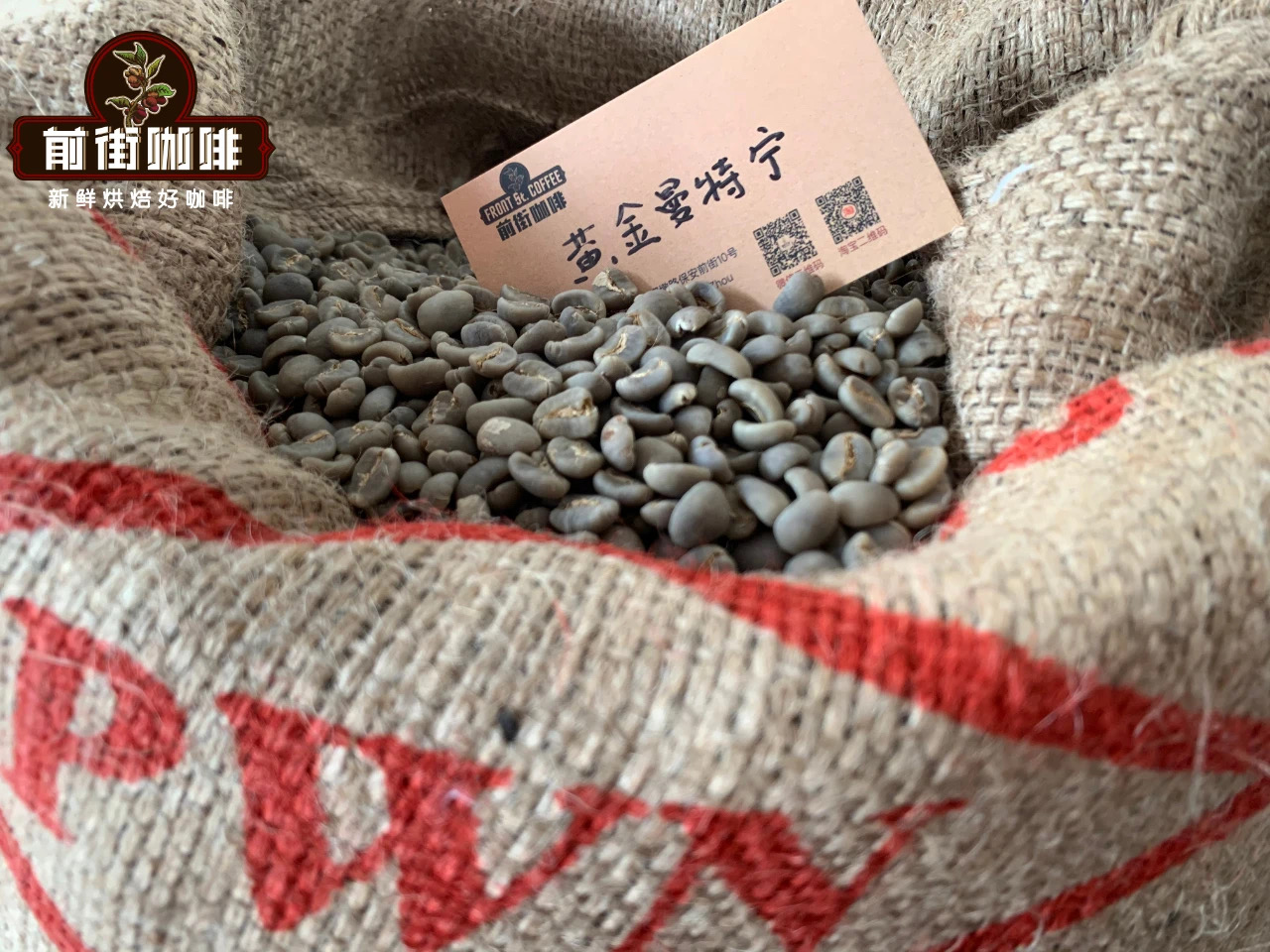
The origin of this name is related to the Japanese occupation of Indonesia during World War II. It is said that a Japanese soldier tasted an exceptionally rich cup of coffee in a café and asked the owner for the name of the coffee. Mistaking the question, the owner replied "Mandailing." After the war, the soldier recalled that "Mandheling" coffee and, through a trader, introduced it to Japan, where it became extremely popular—the name Mandheling thus spread. That trader was none other than the now well-known PWN Coffee Company (PWN). The Golden Mandheling purchased from this brand undergoes one mechanical and three manual selections, ensuring consistent quality and outstanding flavor.
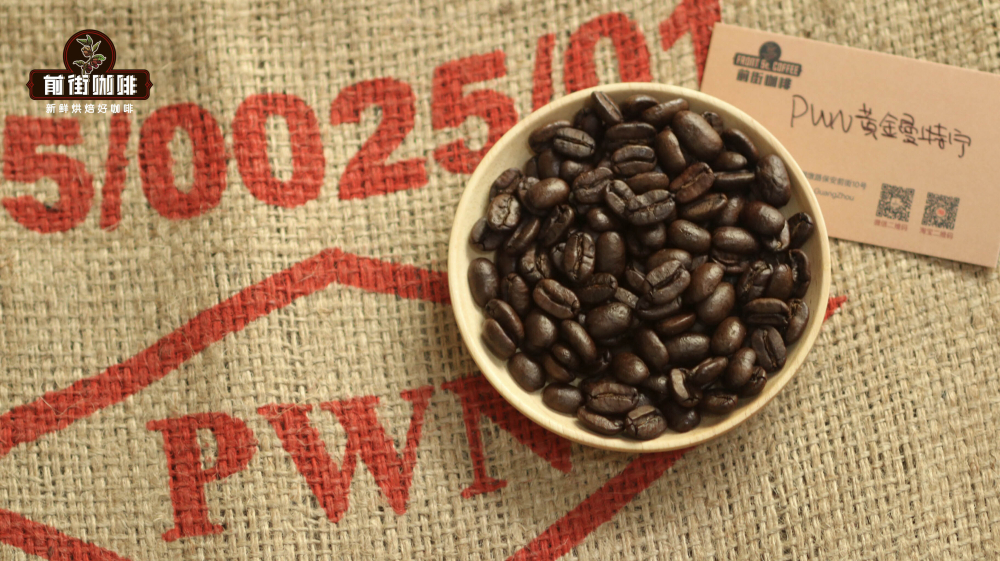
At the time, Mandheling was primarily exported to Japan, where consumers had very high standards for coffee quality and strict management practices. These beans usually underwent four rounds of manual sorting to remove defective beans and ensure uniform color and appearance of the green beans. As a result, Mandheling built a strong market reputation and even caught the attention of the European and American markets. Notably, although the term "Golden Mandheling" was promoted by the Japanese market, PWN had already trademarked "Golden Mandheling," so strictly speaking, only Mandheling produced by PWN can be rightfully called Golden Mandheling.
However, due to high market demand, many counterfeits have also emerged. Although some imitations may resemble the genuine product in appearance and sorting processes, careful tasting can still reveal differences in flavor. Japan’s own "Golden Mandheling" has its own brand, "Dingshang Mandheling," and the two have distinct flavor profiles worth comparing for enthusiasts.
How can you distinguish real Golden Mandheling? It’s recommended to focus on two key points: first, check whether there is a PWN factory certificate, and second, confirm if there is a PWN label on the coffee sack. When purchasing, ask the seller to show these two proofs; if they cannot provide them, you should be cautious.
In addition to Golden Mandheling, the market also offers other varieties of Mandheling with different flavor profiles, such as Lintong Mandheling, Tiger Mandheling, and Aged Mandheling. These differences mainly stem from variations in producing regions and processing methods. Lintong Mandheling comes from the Lintong region, southwest of Lake Toba in northern Sumatra. This plateau is known for its clay soil rich in ferns, and coffee farms are located across rugged, elevated terrain. Lintong coffee is typically grown on small farms without the use of chemical fertilizers or shade-grown techniques.
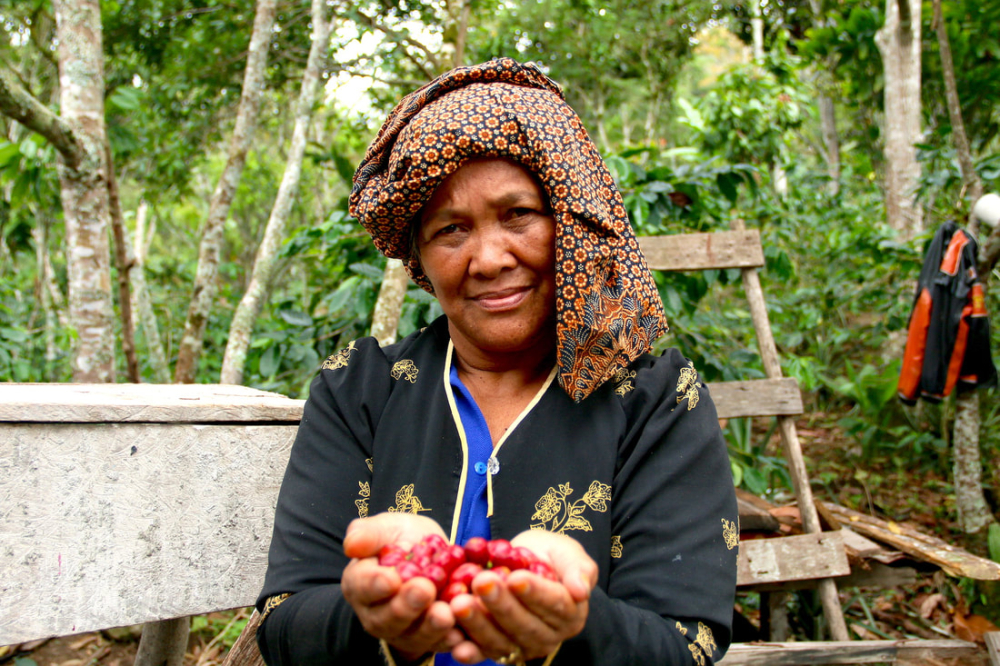
Tiger Mandheling originates from the Gayo Highlands in Aceh Province, Sumatra, straddling both sides of the equator. With a tropical rainforest climate, abundant rainfall, and fertile volcanic soil, it provides ideal conditions for coffee cultivation. The growing altitude here ranges from 1,110 to 1,600 meters, and the coffee is mostly grown by smallholders under shaded environments.
Aged Mandheling is a special category referring to Mandheling green beans that have been stored for extended periods. Successful aging reduces potential sharp acidity, transforming sourness into sweetness and resulting in a smoother, sweeter coffee profile. However, if the aging process is not properly controlled, it may also lead to flavor degradation and undesirable taste.
If you’re looking for Indonesian coffee beans suitable for everyday drinking, here are the brewing parameters and flavor descriptions for two common types of Mandheling for your reference. Using a KONO filter, 15 grams of coffee, a 1:15 coffee-to-water ratio, water temperature at 86–87°C, and a medium-coarse grind (approximately 70% through a #20 sieve). Brewing steps are as follows: First, pour 30 grams of water for a 30-second bloom; second, pour in a circular motion with a slow stream until reaching 125 grams, then pause when the water level drops and is about to expose the coffee bed; third, continue pouring until reaching 225 grams, then stop. Total brew time is around 2 minutes.
Medium to dark roasted Mandheling features a rich flavor profile, with complex aromas of nuts, dark chocolate, roasted chestnuts, and cinnamon. The mouthfeel is smooth and full-bodied, like caramel and cream, with a distinctly sweet aftertaste. Golden Mandheling, on the other hand, is relatively cleaner, with less prominent herbal, earthy, or woody notes. Its caramel sweetness is more pronounced, with bright and elegant fruit acidity, making the overall profile more balanced.
The above content is compiled by CoffeeHunters, a coffee news website.


