








Introduction:Many coffee enthusiasts seek a bright, juicy, and sweet-sour taste in their coffee that feels as smooth as fresh juice. But how exactly is this so-called "juicy" flavor created? This article will delve into the key elements that contribute to the juicy profile and teach you how to easily brew a pour over coffee with vibrant flavors, rich sweetness and acidity, and an intense fruity experience—just by carefully selecting coffee beans and adjusting your brewing parameters.
During the coffee tasting process, we often associate aromas and taste sensations with specific flavor images based on our own experiences. Among these, the commonly mentioned "juicy" flavor is an analogous description formed by blending the coffee’s aroma, acid-to-sweetness ratio, and mouthfeel—resembling the experience of sipping a freshly squeezed fruit drink. Simply put, when a cup of coffee boasts abundant fruity aromas, distinct sweetness and acidity upon entry, and a round, full mouthfeel that together evoke the image of juice, it is said to have a juicy character.

Some might ask: If you want juice, why drink coffee? In reality, juice-like doesn’t mean it is juice—it’s a metaphor for a refreshing, bright, and lively taste experience. In specialty coffee, especially light to medium roasted beans, the retention of more fruity characteristics often leads to a juicy profile, making the coffee not only less monotonous but also rich in layers and complexity.

So, is it really difficult to brew a cup of coffee with a juicy feel yourself? Actually, it just takes mastering two key points: first, selecting beans that inherently possess fruity aromas, bright acidity, and prominent sweetness; and second, using appropriate brewing strategies to suppress the release of excessive bitter substances and enhance the expression of acidity and sweetness. As long as these two aspects are in place, even beginners can successfully brew a coffee with the desired juicy profile.
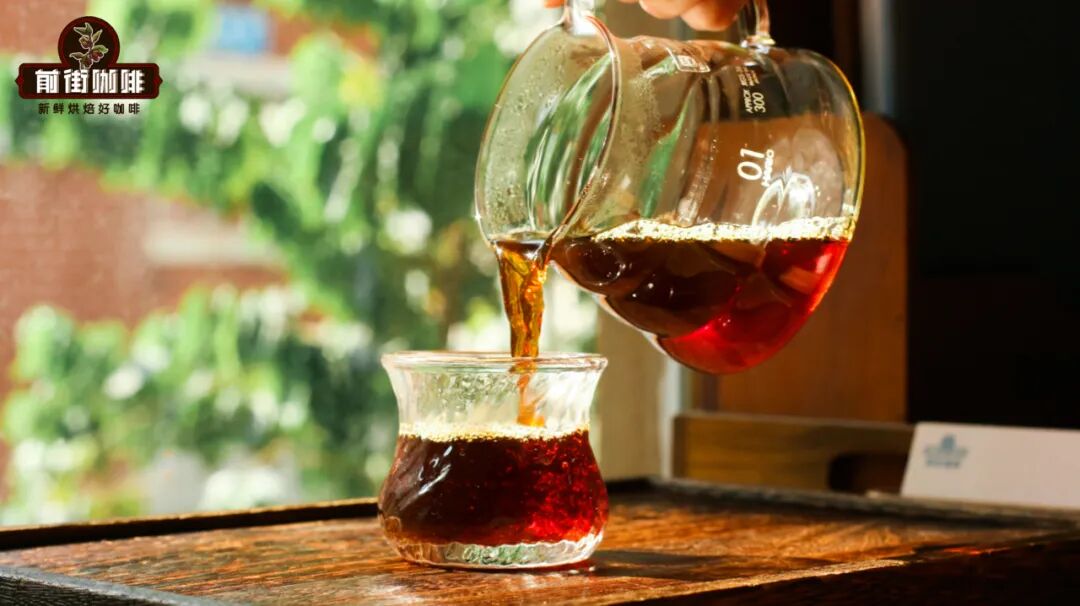
Taking several common and notably juicy coffees available on the market as examples: the Kenya “Little Tomato” variety often exhibits tomato, dark plum, and berry notes; Ethiopia’s Huila flowers, frequently brings out citrus, strawberry, and berry aromas; and the Xianjie Farm’s Geisha also offers grape, passion fruit, apricot, and multi-layered floral tones. These beans come with a natural fruity foundation, making them ideal choices for achieving a juicy cup.

Next, let’s take a representative Kenya Little Tomato coffee bean as an example to illustrate how to bring out the juicy feel through parameters and brewing techniques. Kenyan beans are well known for their bright tomato and berry profiles, making them particularly suitable for highlighting juice-like qualities. For brewing, you can choose one of two powder-to-water ratio strategies: if you prefer a fuller and richer mouthfeel, go with 1:14; if you favor clearer and brighter fruit flavors, then 1:16 is recommended. This article will use a 1:14 ratio, ideal for those who enjoy an intense juicy experience. If you prefer something lighter, you can adjust it to 1:15.
To highlight the sweet and sour characteristics, it’s important to reduce the release of bitter substances. Since the molecular sizes and dissolution rates of acidity, sweetness, and bitterness differ—acidity dissolves the fastest, sweetness next, and bitterness the slowest—controlling the extraction time and water contact rhythm is crucial. The ideal approach is to finish the main extraction before too much bitterness is released, ensuring that the balance tilts toward acidity and sweetness.
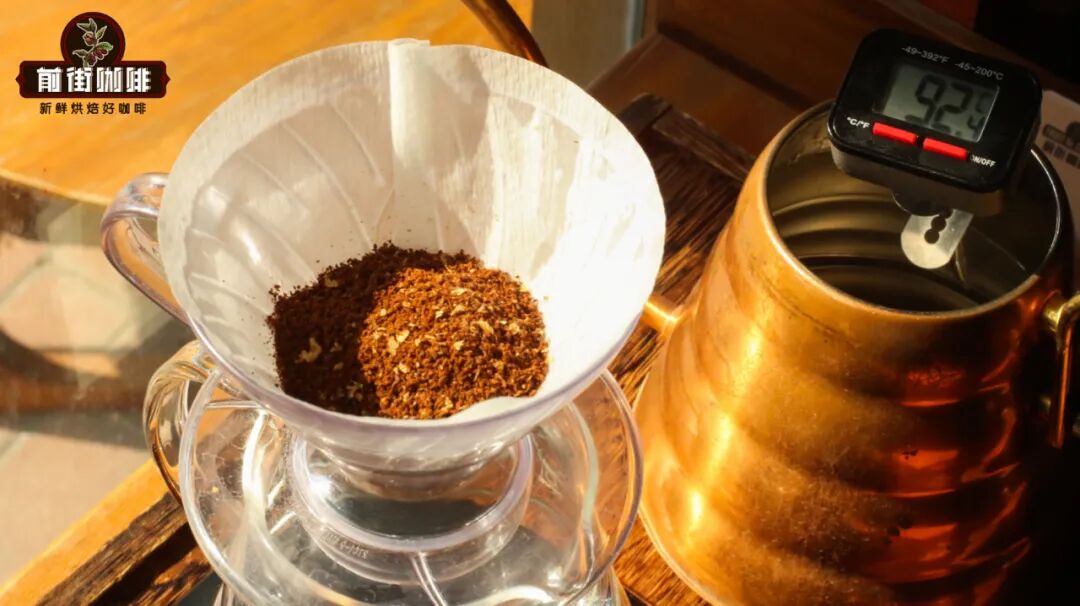
Specifically, it’s recommended to concentrate hot water injection in the early stages of brewing to boost the proportion of acidic compounds. For the later stages, use a smaller stream and extend the pouring time to gently bring out sweetness and body, avoiding overly thin or sour results. Here are practical parameter suggestions: 16 grams of coffee, a 1:14 (or 1:15) powder-to-water ratio, a grind size around Ek43’s 10th setting (or 80% extraction rate through a 20-mesh sieve), water temperature at 91°C, using a three-stage pouring method with volumes of 30ml → 130ml → 64ml, paired with a V60 filter cone.
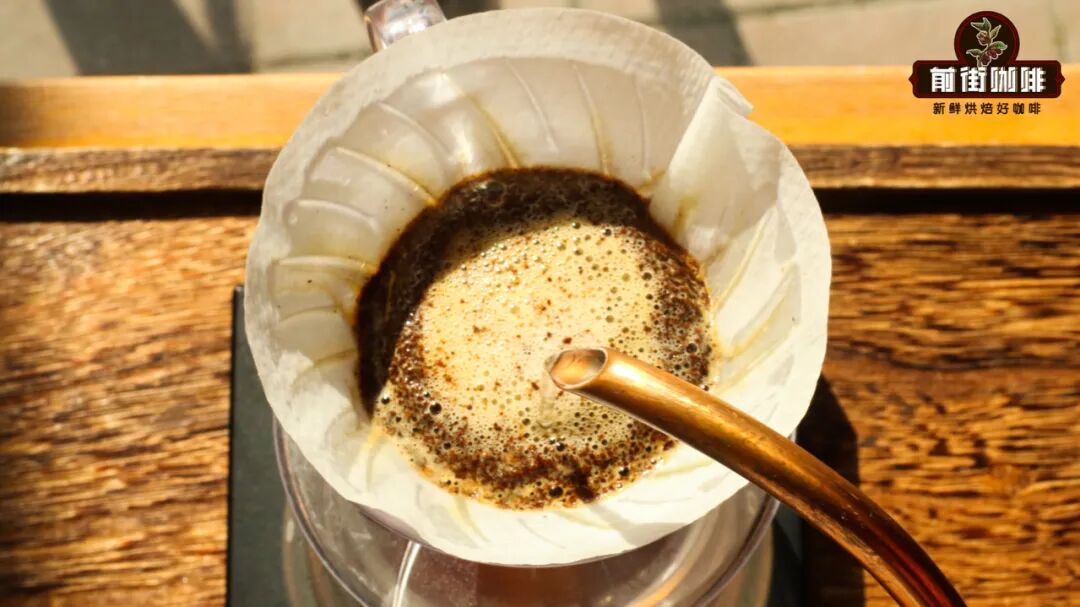
The actual brewing process is as follows: First, pour 30ml of hot water for the bloom and let it sit for 30 seconds. Then, for the second stage, pour 130ml using a medium to large stream (about 6ml/s), starting from the inner circle and spiraling outward. Continue spiraling steadily until the outer circle is reached and pour until finished. After waiting for the coffee liquid to drip for a while, proceed to the final stage with 64ml of water, now using a smaller stream (about 4ml/s) and reducing the spiral range. Slowly pour to extend the extraction time, which helps enhance sweetness.
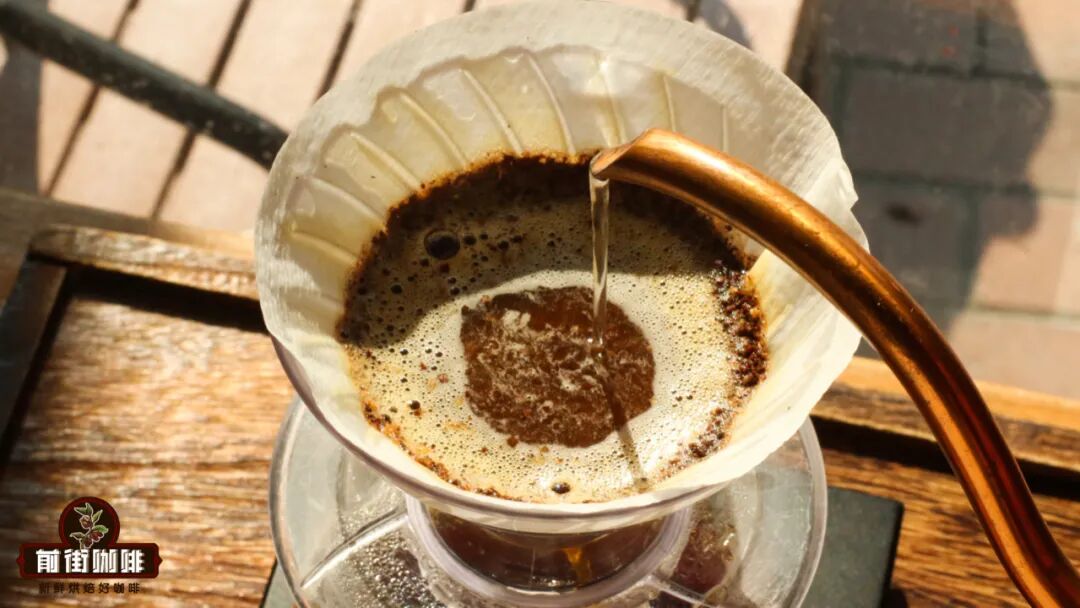
It’s worth noting that the second stage, due to the larger volume of water poured, can raise the height of the coffee bed. If the third stage uses a small stream but faces an overly high coffee bed, it may result in insufficient extraction of edge coffee grounds, thereby affecting overall balance. Therefore, it is advised to control both the water flow and bed height during the second stage, ideally keeping it no higher than three-fifths of the filter cone’s height. If the water level is too high, you may slightly reduce the flow rate to maintain a stable coffee bed and ensure the third-stage water can evenly penetrate. The entire extraction process takes about 2 minutes, and the final coffee should present a balanced sweet and sour taste with a solid mouthfeel.

Brewing Kenya Little Tomato coffee with these parameters yields a cup where the acidity is soft and rounded, and the mouthfeel is as full as juice. On the flavor front, you can clearly perceive the fresh notes of little tomato and dark plum, accompanied by caramel sweetness, with the aftertaste offering a sweet-sour hint of berries—overall, it feels like drinking a freshly squeezed little tomato juice, with vivid flavors that leave a lasting impression.
If you switch to cold brew pour over, different layers of juice-like character can also be achieved. Though the related parameters and techniques vary slightly, the core logic remains the same. Interested readers can explore further.

In summary, achieving a juicy profile isn’t complicated—the key lies in understanding the logic behind brewing: choosing the right beans, controlling the extraction rhythm and parameters, allowing the sweet and acidic compounds to express themselves fully, while suppressing excessive bitterness. Rather than memorizing specific parameters or techniques, developing a sensitivity to extraction variables allows you to adapt to various beans and brew the ideal juicy coffee to suit your personal taste.
The above content is compiled by CoffeeHunters, a coffee news website.


