







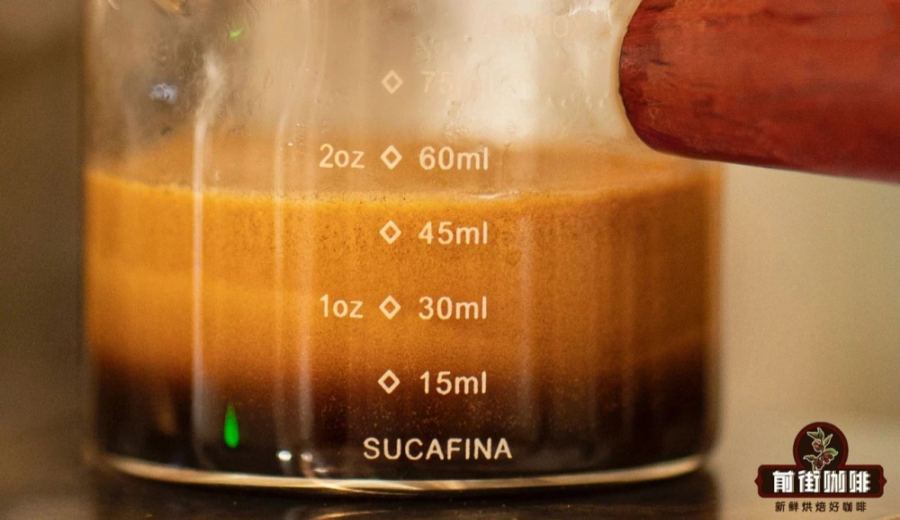
Introduction:Crema is one of the most distinctive features of an espresso. This golden layer of crema not only affects the appearance but is also closely related to the quality of the coffee extraction. Understanding how crema forms, how to evaluate its quality, and choosing the right coffee beans can greatly enhance your understanding and enjoyment of espresso. This article will delve into the science and practice of crema to help you make better choices.
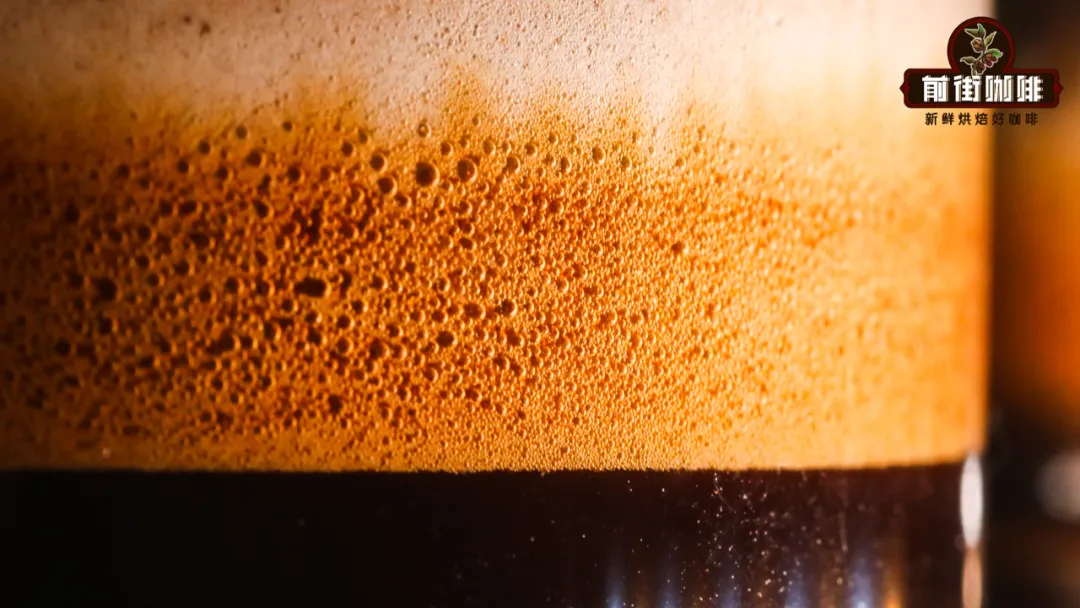
Crema can be considered the soul symbol of an espresso. This golden foam that floats on the surface of the coffee is formed by insoluble fats in the coffee encapsulating carbon dioxide. This unique layer of crema can only be produced under the high-pressure environment of an espresso machine.
When an espresso machine extracts finely compacted coffee grounds under approximately 9 bar of water pressure, the carbon dioxide within the puck cannot escape due to the high pressure and is forced to dissolve into the liquid, creating a supersaturated state. At the same time, the coffee oils are emulsified, encapsulating these gases. Because the oils have a lower density, they gradually rise to the surface and form a distinct, smooth, and fine golden foam.
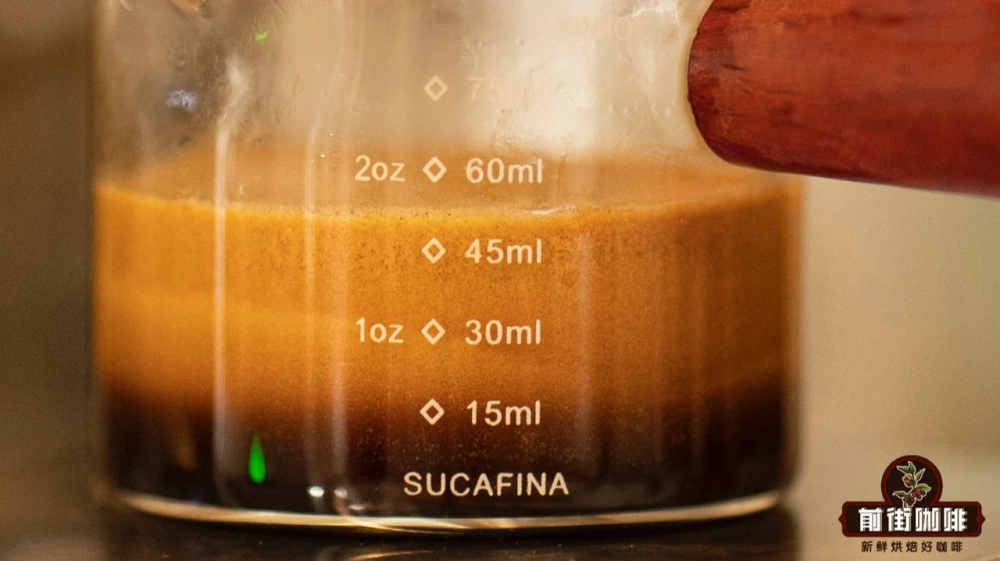
Ideally, crema should have a moderate thickness, a dark and even color, and a silky-smooth surface, sometimes even carrying aromas of caramel or nuts. This layer of oils not only enhances the visual appeal of the coffee but also improves the flow and blending when creating latte art, resulting in clearer and more aesthetically pleasing patterns.
However, many people mistakenly believe that more crema means better coffee, which is not necessarily true. The quality of the crema is far more important than the quantity. If the crema is too light in color, it often indicates under-extraction and may come with a bitter taste. If it's too dark, it could mean over-extraction or only the early-stage flavors being extracted, leading to the crema dissipating quickly. Additionally, crema that is either too thin or too thick can both negatively affect the overall drinking experience.
The thickness of the crema also matters. A layer that’s too thin lacks protective and textural support, while one that’s too thick is prone to clumping and may develop rough bubbles or a bumpy surface after sitting for a while. This phenomenon is often due to using overly fresh coffee beans, which release too much carbon dioxide, making the crema too fluffy and unstable.
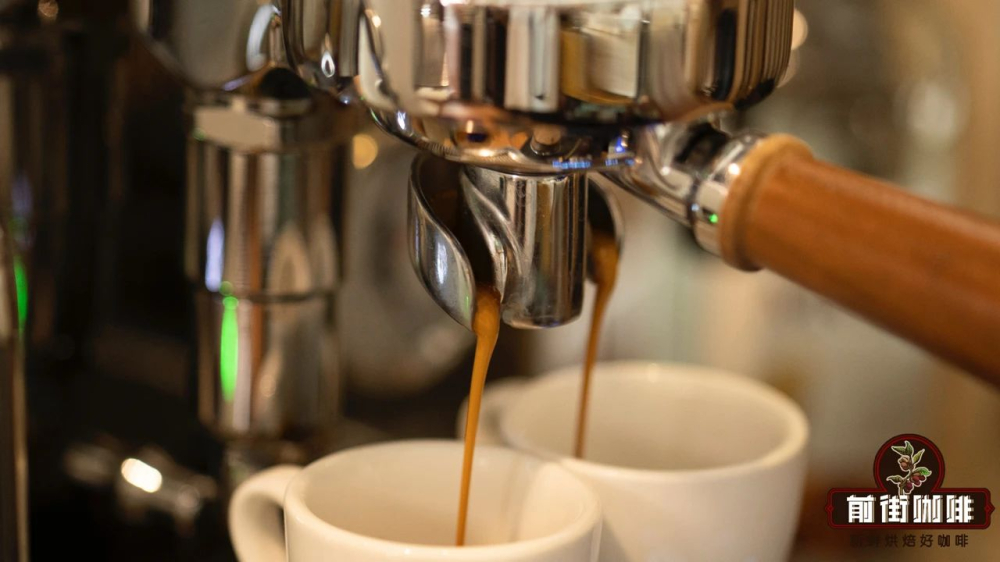
To achieve rich and high-quality crema, the selection of coffee beans is crucial. In Italy, many professional baristas add a small amount of Robusta beans to their Arabica blend, generally no more than 20%. Although Robusta beans are not as refined in flavor as Arabica, their naturally higher caffeine content and oil-rich characteristics can effectively enhance the richness and stability of the crema.
For readers who want to try making espresso with rich crema at home, it is recommended to choose a blend that contains a small amount of Robusta. For example, a classic home-use blend combines Brazilian, Mandheling, and Robusta beans, using a medium-dark roast. It delivers aromas of butter, toasted bread, and caramel cookies, with a rich and full-bodied taste and a fine, stable layer of crema — perfect for beginners as an entry-level option.
If you plan to run a coffee shop or wish to replicate the flavors of a professional café, you might consider another commercial blend based on Brazilian and Colombian beans, also mixed with a small amount of Robusta. This blend not only showcases layered nutty aromas such as almond, hazelnut, and walnut, but also has excellent crema fluidity, low acidity with a rich body, and strikes a good balance between cost and flavor, making it a practical first choice for café owners.
In summary, crema is not just the external aesthetics of an espresso but also an important indicator of its quality. From understanding its formation principles to learning how to distinguish the color, thickness, and stability of crema, and finally selecting the right coffee beans, each step influences the final extraction result. By paying attention to these details, you’ll be able to more professionally appreciate and brew every cup of espresso.
The above content is compiled by CoffeeHunters, a coffee news website.


