








Introduction:Want to make a refreshing and layered cold brew coffee at home? This article will provide a detailed breakdown of key factors in the brewing process — including coffee-to-water ratio, grind size, steeping time, and flavor characteristics of the beans — and recommend bean selections based on different roast levels and processing methods. It also includes creative flavoring techniques using dried flowers, helping you easily explore the various possibilities of summer cold brew.
Cold brew is extracted through low-temperature, long-duration steeping. This method not only reduces acidity and bitterness but also preserves a smoother and fuller flavor profile, making it one of the most popular coffee drinks in summer. This guide will take you through how to adjust the coffee-to-water ratio, choose the right grind size, master the steeping time, and select beans with corresponding flavor profiles to craft a cold brew that suits your taste.
Using 50 grams of coffee grounds as a baseline example, it is recommended to use a coffee-to-water ratio of 1:12, meaning a total liquid volume of 600 milliliters (including water and ice), with about 400 milliliters of room-temperature water and around 200 grams of ice. The grind size of the coffee should be controlled to be roughly similar to 85% extraction through a #20 standard sieve — close to the grind level of a French press. This helps extend the extraction time while avoiding the off-flavors caused by over-extraction.

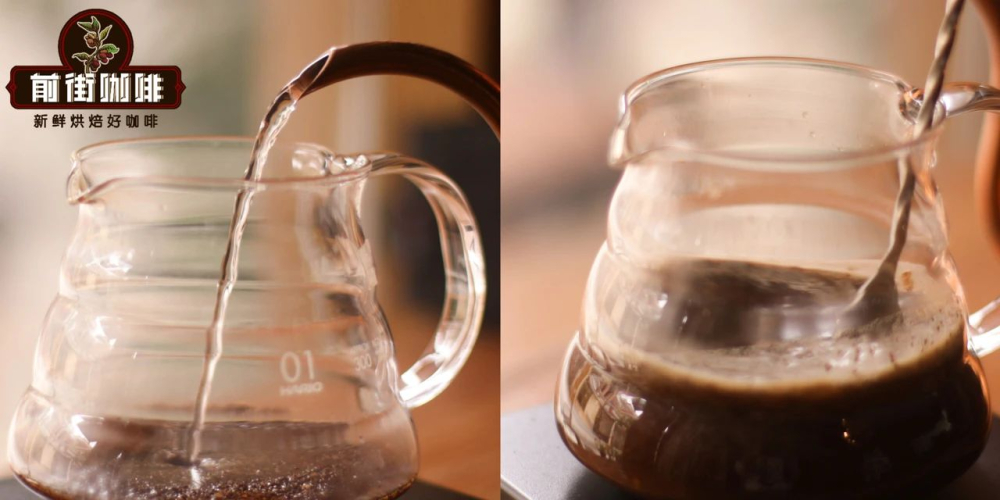
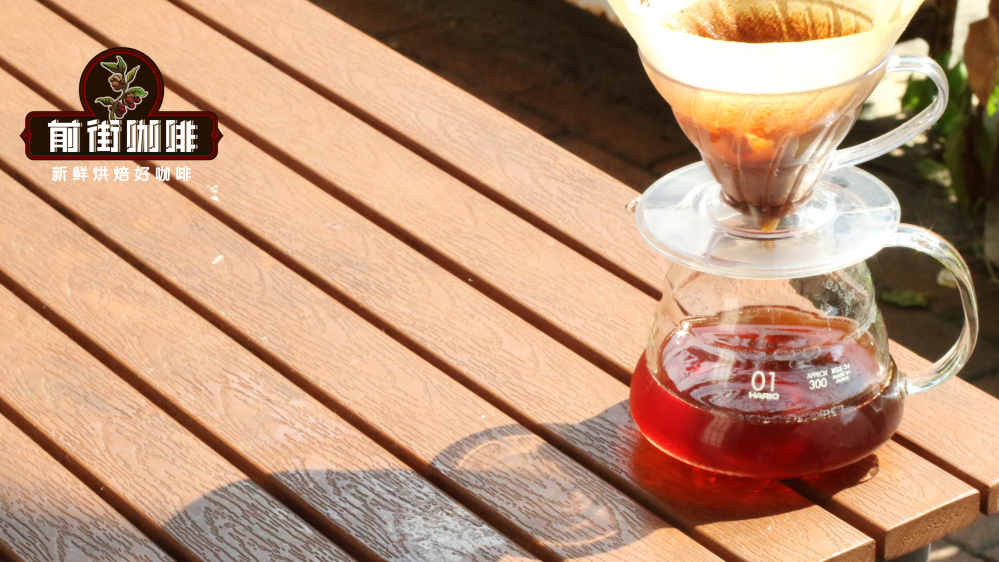
Place the coffee grounds in a clean glass container, first pour in room-temperature water, then add ice. This effectively slows down the initial extraction temperature, allowing the coffee to gradually release its flavors in a stable, low-temperature environment. Stir well, seal the container, and let it sit in the refrigerator for 12 to 24 hours. Adjust the steeping duration according to personal taste preference. After steeping, filter the coffee grounds using paper or cloth filters. The resulting coffee liquid can be refrigerated for an additional 4 hours to allow the flavors to further develop and the mouthfeel to become smoother.
During the cold brew process, the low-temperature environment suppresses the volatility of acidity and aroma. Compared to hot-brewed methods, the acidity is gentler, the bitterness lower, and the overall balance more refined. At the same time, the extended brewing time allows for a more complete extraction of the coffee’s sweetness and body, resulting in a final flavor that is richer and more layered.
Different cold brew flavors stem from variations in the origin, processing method, and roast level of the coffee beans. If you prefer bright, refreshing flavors with pronounced fruit acidity, light to medium-roast washed-process coffee beans are the top choice. For example, coffees from Kenya, Ethiopia, or Panama, when processed via washing, retain distinct fruity notes such as citrus, berries, and jasmine floral tones. These characteristics remain vibrant even after cold brewing, offering a juice-like acidity.
If you favor sweet, gentle flavors with rich fruitiness and sugary notes, consider sun-dried (natural) processed beans. Such beans are commonly found in parts of Central and South America and Africa. Due to sugar concentration during the sun-drying process, they often exhibit tropical fruit, honey, and wine-like sweetness. In cold brew, the sweetness and enzymatic flavors of sun-dried beans integrate more harmoniously, delivering a soft yet deep mouthfeel.
For coffee enthusiasts looking to explore more distinctive flavors, try beans with unique processing methods — such as those offering winey, dried berry, or nutty-chocolate aromas. These processing methods employ special fermentation or drying techniques to impart more pronounced thematic flavors to the coffee. After cold brewing, these layers become even more distinct, making them ideal for those seeking novelty and personalization.
If you prefer low-acidity, full-bodied coffee with caramel, chocolate, or spice notes, opt for medium-dark or dark-roast beans. Medium-dark roasted beans have moderate acidity transformation, with chocolate and nut aromas becoming more prominent. The resulting cold brew offers a smooth mouthfeel and a warm finish. Examples include classic medium-dark roasts from Brazil, Indonesia, or Yunnan. Dark roasts further enhance caramel and spice flavors, nearly eliminating acidity — perfect for those who dislike sourness. For instance, Indonesia’s Golden Mandheling is a classic choice for dark roast cold brew.
Beyond selecting the right beans, you can also try adding a small amount of dried flowers — such as osmanthus or jasmine — during the cold brew process to impart a subtle floral aroma. This flavoring method pairs especially well with medium-light roasted, fruity-toned beans, complementing each other to create a richer sensory experience. It is recommended to use no more than 1–2 grams of dried flowers, steeped together with the coffee grounds. Overuse may lead to muddled or unbalanced flavors.
It is important to note that because cold brew is extracted entirely in a low-temperature, static environment, its flavor profile is relatively less complex compared to hot-brewed coffee. Therefore, it is particularly crucial to choose beans with distinct and clear flavor layers. Additionally, it is advised to use clean, odor-free glass or plastic containers for steeping to avoid plastic odors or impurities affecting the final flavor.
In summary, making a satisfying cup of cold brew lies in mastering the basic parameters of coffee-to-water ratio, grind size, and steeping time. Then, choose suitable beans based on personal preference, and optionally get creative with additions like dried flowers. By grasping these essentials, you too can easily enjoy your own refreshing coffee moments at home.
The above content is compiled by CoffeeHunters, a coffee news website.


