







Introduction:Are your coffee beans sitting around for too long and you're worried about flavor loss but hate to throw them away? In fact, coffee beans past their prime still have value. This article delves into the difference between the best-by date and the expiry date, and offers practical pour over parameter adjustments—such as water temperature, grind size, and pouring techniques—to help improve extraction from expired beans. Additionally, it shares various creative ways to repurpose them, including cleaning, deodorizing, and providing plant nutrients, ensuring every bean is used to its fullest potential.
Many coffee enthusiasts often face this issue: they haven’t finished their beans, yet they’ve already passed the recommended best-by period. What exactly is the difference between the best-by date and the expiry date? Are beans that are past their optimal flavor completely undrinkable? Aside from throwing them out, what other practical ways can you use them? This article will take you in-depth and, using a Kenyan AA coffee roasted approximately 50 days ago as an example, demonstrate how adjusting pour over parameters—such as water temperature, grind coarseness, and pouring methods—can reduce negative flavors. It also compiles multiple eco-friendly reuses for coffee grounds.
Many people, when buying coffee beans, often get overly excited and purchase too many at once, only to find they’ve exceeded the so-called “best-by period” before finishing them. Actually, throwing expired beans away is quite wasteful—by mastering the right brewing techniques, you can still enjoy a decent cup. This article not only teaches you how to adjust extraction through pour over methods, but also provides multiple creative reuse ideas for expired coffee beans, helping you get more value out of them.
Understanding the Difference Between Best-by Date and Expiry Date
First, let’s clarify two commonly confused concepts: the “best-by date” and the “expiry date” of coffee beans. Generally speaking, what we refer to as “freshly roasted coffee beans” emphasizes their best-by period—that is, the time frame during which they can exhibit their optimal flavors. For single-origin beans commonly used for pour over,the optimal best-by period is typically around one month after roasting, with some dark roast beans even extendable to 45 days. Beyond this period, flavors may noticeably weaken or develop undesirable off-notes, but it doesn’t mean they’re entirely undrinkable.
The so-called “expiry date,” on the other hand, refers to the food safety standard deadline. Generally, roasted beans have an expiry period of about six months to a year. Before that, even if they are past their best-by period, the beans are still considered safe for consumption. Therefore, even if they are past their optimal flavor stage, as long as they haven’t exceeded the expiry date printed on the package, the beans still have room to be put to good use.
Brewing Adjustment Techniques After the Best-by Date
When coffee beans exceed the generally recommended best-by period (around one month), their internal aromatic compounds have largely dissipated, and the carbon dioxide within the beans has mostly been released. If you brew them directly using standard parameters, you’re likely to end up with a flat-tasting cup, or one with woody or cardboard-like notes. However, by appropriately adjusting brewing variables, you can still “rescue” these beans.
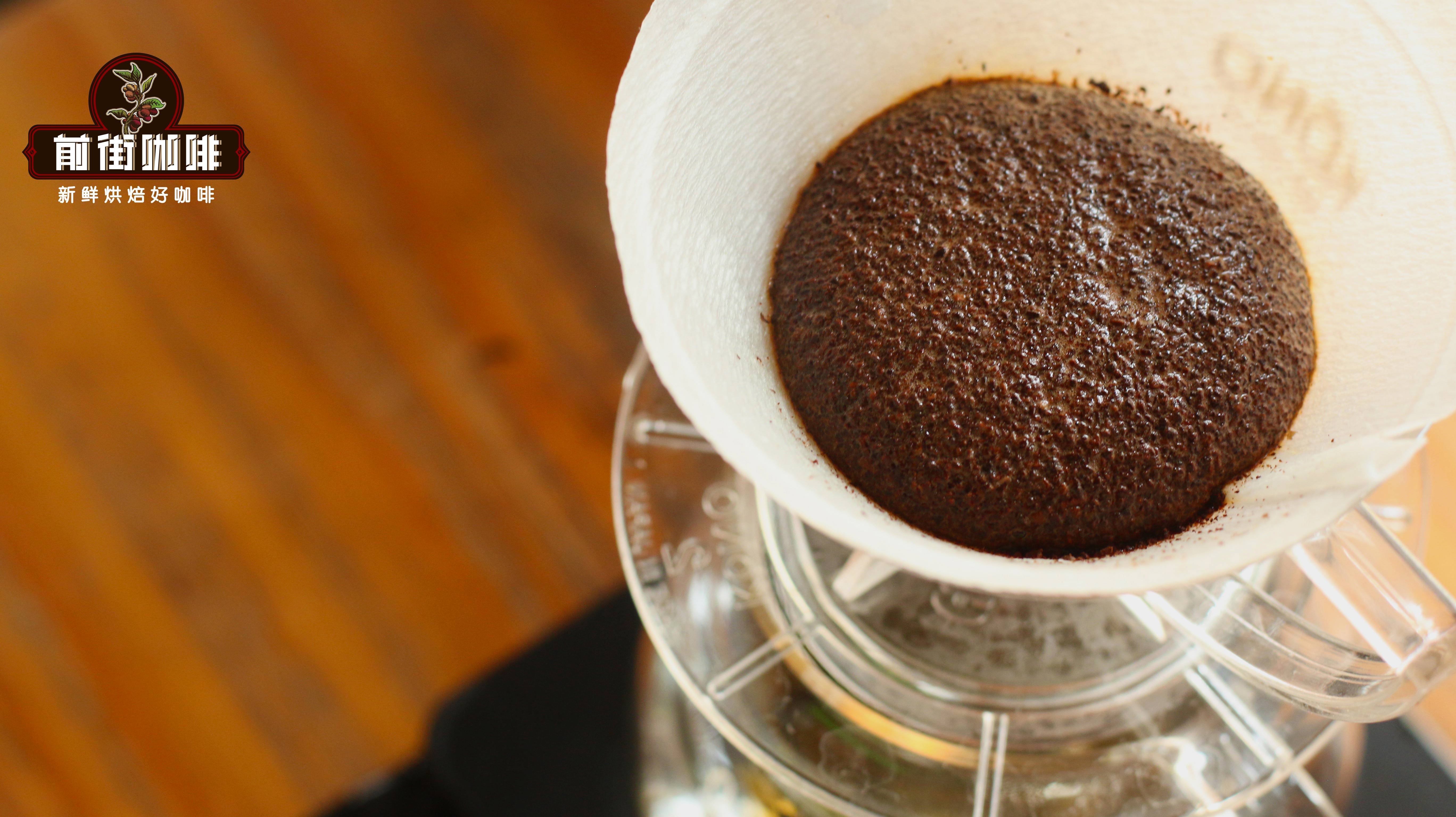
For example, if you have alight roast, about 50 days post-roast Kenyan AA coffee bean, you can refer to the following field-tested adjusted pour over recommendations: Use 15 grams of coffee grounds, set the coffee-to-water ratio to 1:15, slightly lower the water temperature to91°C, and adjust the grind size to be slightly coarser than usual (recommended 75% passing rate through a #20 sieve to avoid excessive fine particles affecting filtration). The first step is the bloom—pour 25 grams of hot water and let it bloom for 18 seconds. Since the beans no longer have significant gases, there’s no need for an extended bloom time. Next, the second pour involves pouring in a small circular motion from the center out to 150 grams, taking care to lift the coffee bed to prevent fine particles from settling. Finally, pour quickly in a medium stream in a circular motion to reach 225 grams to enhance flavor release, with a total brew time of about 1 minute and 44 seconds. Throughout this process, due to the lower activity of the coffee bed, it’s recommended to stir occasionally to improve extraction uniformity, and pay attention to adjusting flavors toward the end.
What to Do with Expired Coffee Beans? Practical Reuse Methods
If your coffee beans have exceeded the expiry date marked on the packaging, while it’s not recommended to drink them, don’t rush to throw them away—they still hold plenty of practical value in daily life. First, grind the expired beans into powder and use them for cleaning purposes—for example, wiping down copper surfaces, cleaning stovetops and pot lids, or even scrubbing kitchen and bathroom grease and odors. Using brewed coffee water to wipe down sinks and drains can also help remove built-up grime and smells.
In addition, coffee grounds also serve as a natural deodorizer. Placing coffee grounds in ashtrays not only helps eliminate smoke odors but also aids in putting out cigarette butts. If your oven has lingering grease and odors from prolonged use, placing coffee grounds in a tray and baking them can help clear trapped smells inside. For households with pets, sprinkling some coffee grounds after cleaning the litter box or pet bedding can also effectively reduce unpleasant smells.
Finally, coffee grounds are rich in nitrogen, phosphorus, potassium, and other nutrients essential for plants. Grinding expired beans into a natural fertilizer not only provides nourishment but also helps repel pests. Sprinkling coffee grounds around the base of plants can effectively deter mites and ants while also improving soil pH, making it especially suitable for plants that thrive in acidic environments.
The above content is compiled by CoffeeHunters, a coffee news website.


