







Introduction:The moka pot is the go-to tool for many coffee enthusiasts who don’t own an espresso machine at home, but does coffee brewed with it equate to espresso? This article starts with the design principles of the moka pot, detailing the differences in pressure, water temperature, and extraction methods compared to modern espresso, and delves into practical parameters such as suitable coffee dosage, grind size, and flame control. Whether you’re a beginner or have been using a moka pot for some time, you’ll find concrete ways to improve your extraction quality here.
The moka pot is not only a classic representation of Italian coffee culture but also an ideal tool for many households to make strong coffee. Especially when a professional espresso machine is not available, the moka pot offers a relatively simple and effective alternative. However, many people still have one question in mind: can coffee made with a moka pot actually be considered espresso?
The answer is: although the flavors are similar, there are fundamental differences in the extraction principles. To clarify this, we must first understand how the moka pot works and how it differs from modern espresso machines in key elements such as pressure and water temperature.
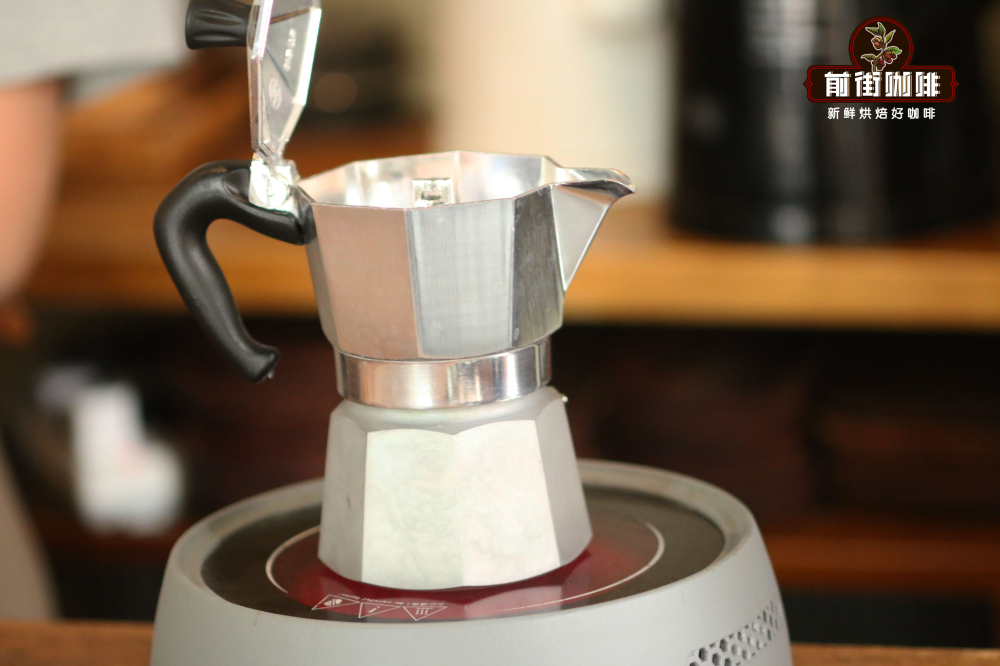
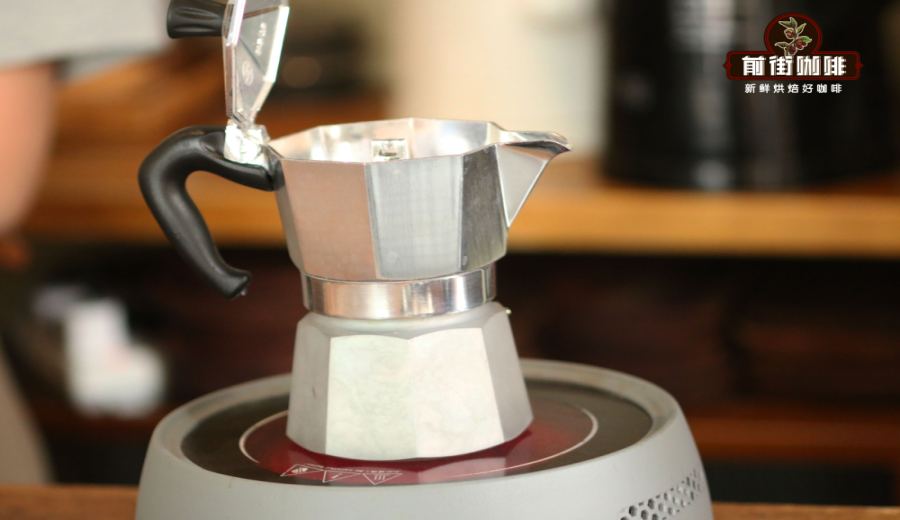
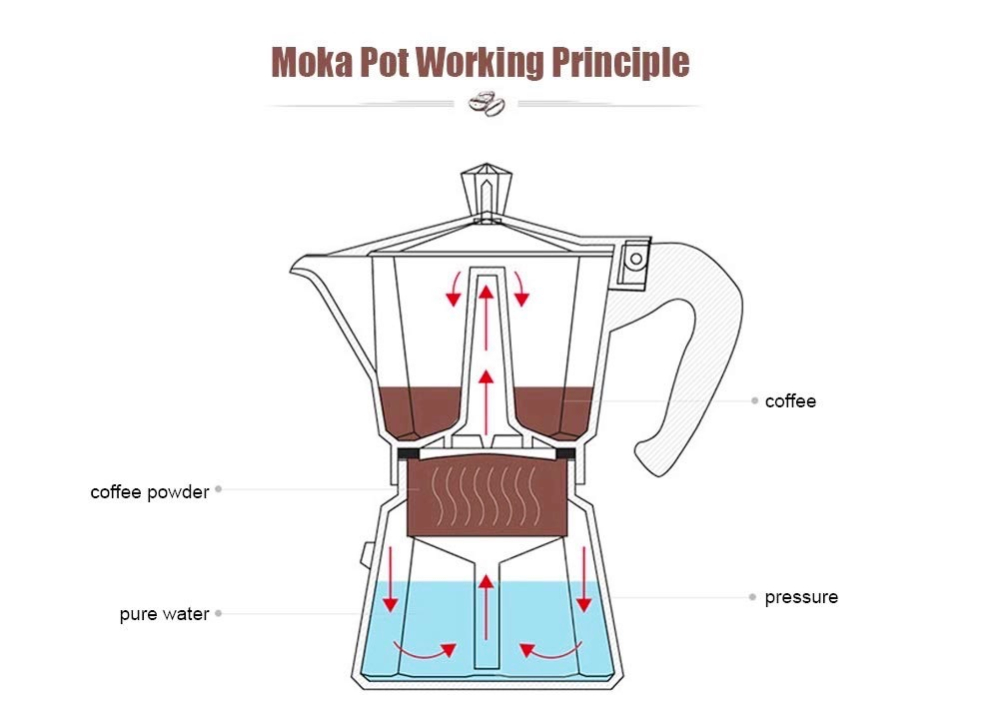
Taking the classic Bialetti moka pot as an example, it has an iconic octagonal cylindrical shape, primarily made of aluminum material with an insulating plastic handle. It is divided into three main parts: the lower chamber holds hot water, the middle filter holds the coffee grounds, and the upper chamber collects the final extracted coffee liquid. When the water in the lower chamber is heated to boiling, the resulting steam increases the internal pressure, pushing the hot water through the coffee grounds layer in the middle and up through the central tube into the upper chamber, completing the extraction.
However, the extraction pressure of a moka pot is only about 1.5 bar, far lower than the minimum 9 bar standard required by modern espresso machines. For this reason, although the moka pot can produce a strong coffee with a slight crema (coffee crema layer), its extraction pressure is insufficient to fully replicate the texture and flavor characteristics of true espresso.
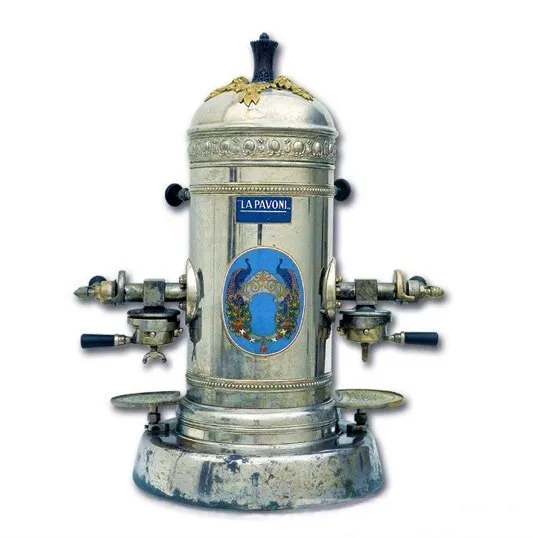
Additionally, the water temperature during moka pot extraction is usually close to the boiling point of water, around 100°C, while professional espresso machines control the water temperature between 92°C and 96°C to more precisely extract the aromatic substances and balance of acidity and sweetness in the coffee. Therefore, the moka pot is closer to the extraction logic of early steam-powered coffee machines rather than the current high-pressure espresso standard process.
If you want to brew a drink with an espresso-like flavor using a moka pot, the key lies in mastering several core parameters: coffee dosage, grind fineness, flame control, and extraction time. Although the moka pot doesn’t involve as many complex variables as pour over or drip coffee, just making slight adjustments to these basic settings can significantly improve extraction performance.
In terms of coffee dosage, it is recommended to fill the middle filter completely and gently tap it to make the coffee bed level and free of obvious voids, avoiding channeling that affects extraction evenness. A typical double-shot moka pot uses about 18 grams of coffee, a quantity that matches the capacity of most home moka pots and helps stably extract a sufficient amount of coffee liquid.
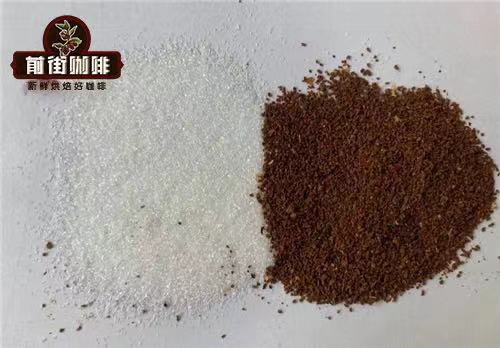
As for grind size, it should be finer than pour over coffee but slightly coarser than the extremely fine grind used in professional espresso machines. You can refer to the gap size of the filter screen to ensure the coffee grounds do not fall directly into the lower chamber, but also not too fine, otherwise it may easily cause excessive blockage, pressure imbalance, leading to uneven extraction or over-extracted bitterness.
Regarding flame settings, a common mistake many users make is starting with a high flame, which causes the water to boil quickly, resulting in a rapid rise in pressure and leading to too short an extraction time with flavors not fully released. The correct approach is to observe the moka pot after starting to heat—once you see bubbles beginning to form at the bottom and hear distinct hissing or gurgling sounds, turn the flame to low or medium to make the extraction process more stable, helping flavor compounds to be more fully extracted into the coffee liquid.
As for suitable coffee beans, since coffee brewed with a moka pot tends to be stronger, it’s recommended to choose medium to dark roast or dark roast beans, which usually have a richer body and fuller mouthfeel, complementing the high temperature and pressure conditions of the moka pot. If you prefer options with pronounced fruitiness and a refreshing flavor, light to medium roast beans can also be tried, but you may need to slightly adjust the grind size and flame to avoid under-extraction.
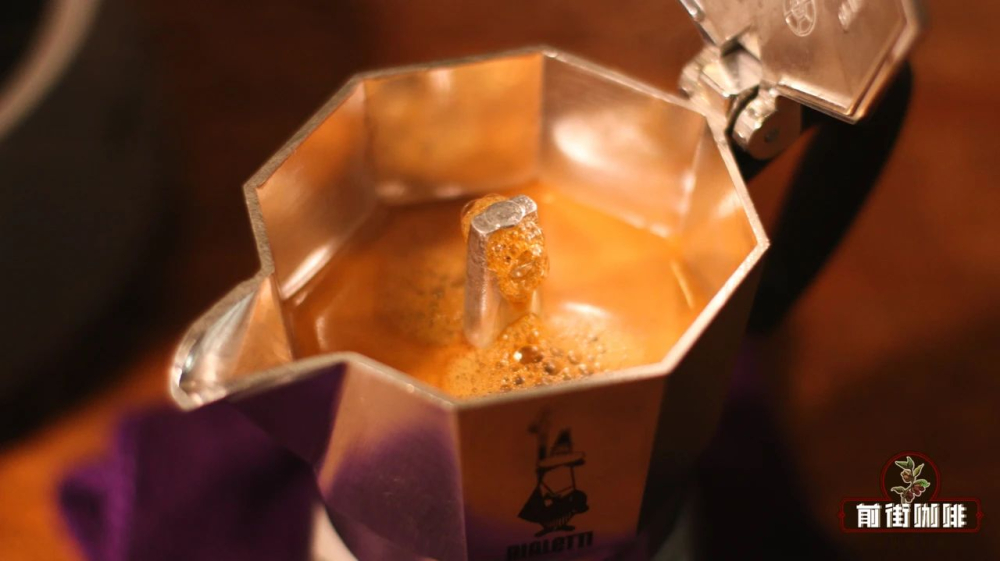
In addition, whether the coffee brewed with a moka pot has “crema” (oil layer) is also a focus of concern for many users. In fact, under ideal conditions, the moka pot can also produce a thin layer of crema, but it is not as dense or long-lasting as in espresso. The formation of this crema is closely related to the roast level, freshness, and extraction pressure of the coffee beans.
Freshly roasted coffee beans contain more carbon dioxide, which is released during the extraction process and helps form a foam layer similar to crema. However, the insufficient extraction pressure of the moka pot makes this foam layer thinner and more prone to dissipation. To enhance the crema performance, you can choose darker roasted, fresher beans and ensure proper grind and flame control, which helps concentrate the coffee flavors and make the crema layer more pronounced.
In summary, although the moka pot cannot fully replicate the extraction standards of modern espresso, by mastering key elements such as coffee dosage, grind size, flame, and extraction timing, it is still possible to consistently brew a cup of strong, rich, and flavorful coffee. For home users, it is a practical and economical choice and also an invaluable entry tool for exploring the world of coffee.
The above content is compiled by CoffeeHunters, a coffee news website.


