







Introduction:Gesha Village Estate is one of the most representative specialty coffee origins in Ethiopia’s Bench Maji Zone, boasting the authentic lineage of the Gesha variety. This article provides an in-depth analysis of the five grades offered by Gesha Village — Auction, Gold Label (RARITIES), Red Label (GROWERS RESERVE), Green Label (SINGLE-TERROIR), and Chaka — covering the estate’s microclimates, varietal origins, processing differences, and flavor characteristics. It also includes practical pour over parameters and recommendations to help you choose the right Gesha beans based on your needs and master better brewing methods.
Located in Ethiopia’s Bench Maji Zone, Gesha Village Estate is considered one of the holy grails for global specialty coffee enthusiasts. Not only is it a key origin of the wild Gesha variety, but its scientifically managed plots and rigorous grading system also produce numerous top-tier coffee beans with exceptional flavors. With the help of professional consultants, the estate’s founder, Adam, discovered and cultivated multiple Gesha cultivars, and divided the cultivation areas into several blocks with distinct flavor profiles based on local microclimate variations.
Currently, Gesha Village Estate offers five main grades of coffee beans: Auction lots, Gold Label (RARITIES), Red Label (GROWERS RESERVE), Green Label (SINGLE-TERROIR), and the Chaka blend. Each grade differs significantly in yield, flavor expression, processing method, and traceability, catering to coffee lovers and roasters at various levels.
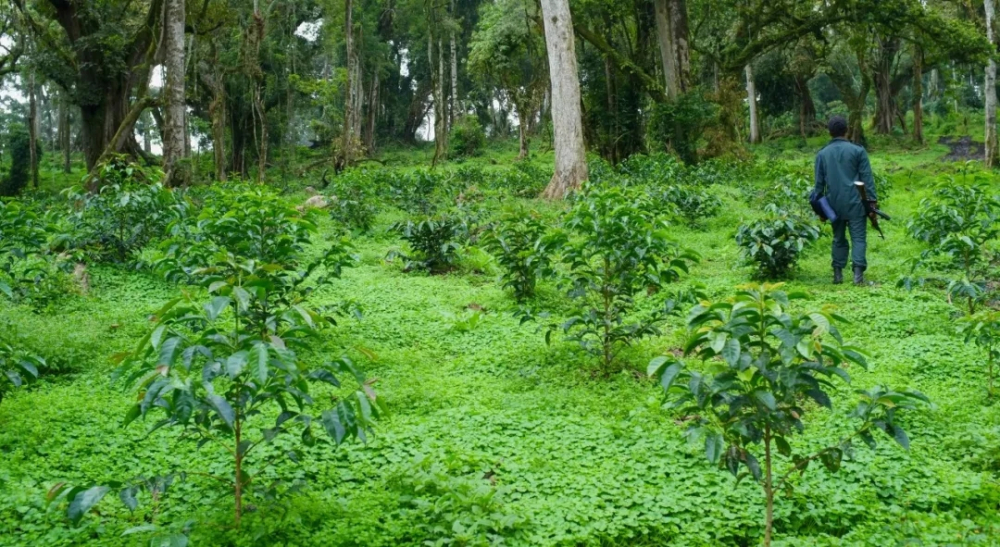
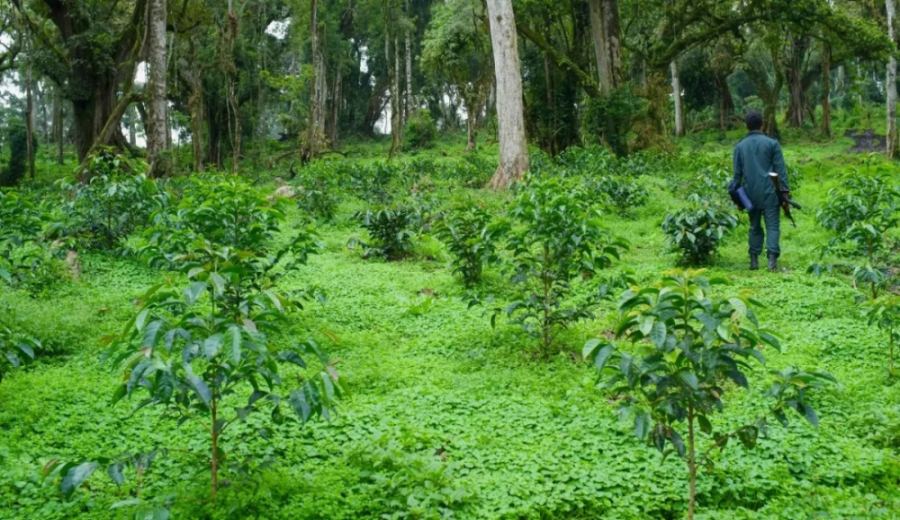
The story of Gesha Village Estate began in 2011. With the assistance of international coffee consultant Willem Boot, estate owner Adam explored the pristine forests surrounding the property and unexpectedly discovered a well-preserved population of wild Gesha plants. It was later confirmed that this forest was the renowned Gori Gesha forest, the birthplace of the Panama Gesha variety. Adam’s team collected seeds from the area, conducted genetic testing and cupping evaluations, and ultimately selected cultivars closely resembling Panama Gesha, laying the foundation for the future development of Gesha Village.
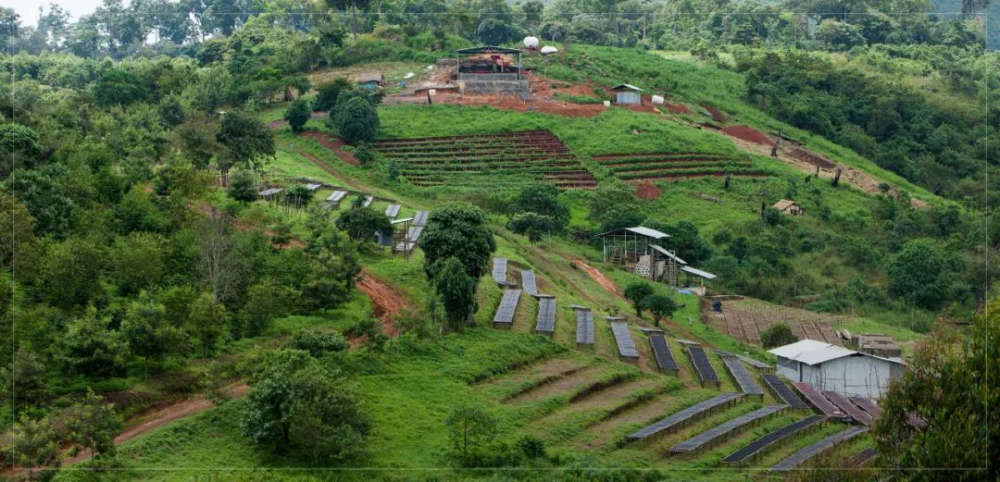
Gesha Village Estate enjoys exceptional geographical conditions, situated in a high-altitude region with a mild climate and abundant rainfall, along with diverse microclimates that contribute to the variety of coffee flavors. The estate’s altitude generally ranges between 1,900 and 2,100 meters, with some plots such as SHEWA-JIBABU reaching up to 2,069 meters, providing an ideal growing environment for high-quality coffee. The estate is divided into eight main plots, including OMA, SURMA, SHEWA-JIBABU, Shewa-Jibabu, and Bangi. Each plot cultivates different Gesha varieties depending on factors such as altitude, soil, and shade levels.
In terms of Gesha varieties, the estate grows three main types: Gori Gesha, Gesha 1931, and Illubabor Forest (also known as Ilubabor). The planting of different varieties across each plot is carefully planned to ensure that each area showcases the most representative terroir flavors.
Auction lots are the flagship products of Gesha Village, accounting for only 3.7%of annual production. These beans undergo multiple screenings and professional cuppings, offering extremely rich flavor layers, and each lot comes with complete traceability information. Due to limited supply, they are only available through official auction channels, making them highly sought-after by specialty coffee shops and competition baristas.
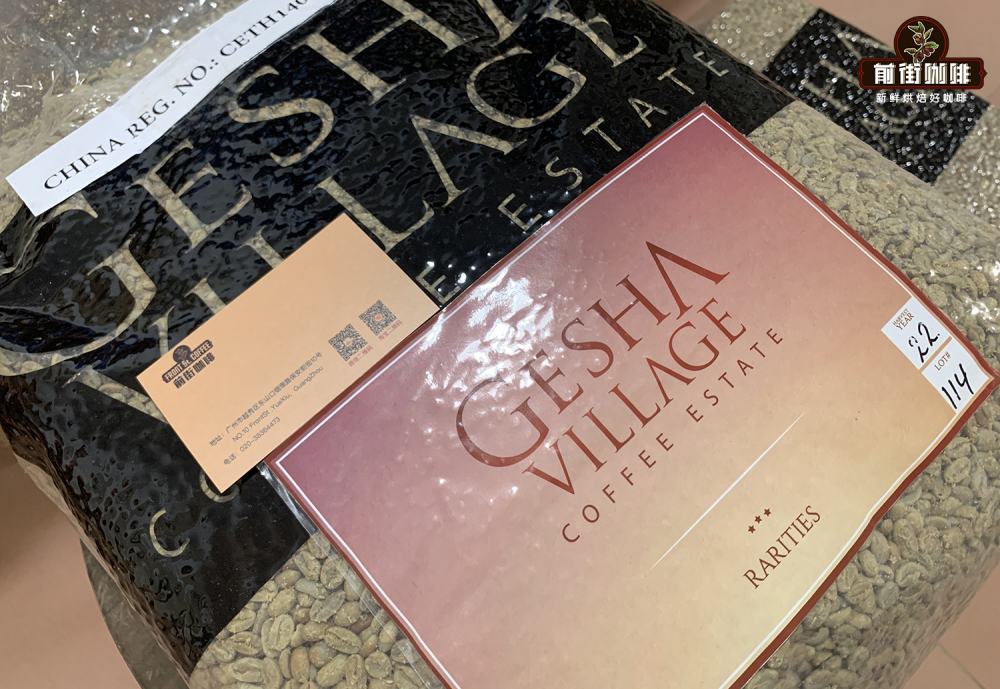
Gold Label Gesha (RARITIES) accounts for about 10%of annual production and is the preferred choice for many coffee competition participants and high-end roasters. This batch mainly comes from the Oma plot, grown at altitudes between 1,900–2,040 meters, and is the Gesha 1931 variety processed using the natural (sun-dried) method. Its flavor profile is clear and layered, often featuring notes of citrus, berries, cream, caramel, and cantaloupe, with a honey-like sweetness, making it ideal for consumers seeking an ultimate flavor experience.
Compared to Gold Label, Red Label (GROWERS RESERVE) has a slightly higher output, about 15%, and is an excellent choice for entry-level Gesha enthusiasts. The Gesha beans in this batch are all of the Gori Gesha variety, with cupping scores reaching the SCA standard of 88 points or above. They mainly come from the Shewa-Jibabu plot, at altitudes between 1,973–2,069 meters. The processing method is also natural (sun-dried), with a clear flavor profile often featuring aromas of lemon, plum, citrus, tropical fruits, and floral tea, offering relatively outstanding value for money.
Green Label (SINGLE-TERROIR) emphasizes the purity of “single plot × single variety,” with each batch clearly traceable to specific origin information, including the plot name, variety, and processing date. This series does not set a cupping score threshold and is considered an entry-level single-origin Gesha, suitable for coffee beginners who want to understand how different microclimates affect flavors. For example, the Green Label Gesha from the Bangi plot, also using the Gori Gesha variety and natural processing, showcases the unique bright acidity and sweet aromas characteristic of that area.
Chaka is one of the few blended offerings from Gesha Village, combining beans from all plots and all three varieties (Gesha 1931, Gori Gesha, and Illubabor) produced across different harvest seasons. Chaka is available in both washed and natural (sun-dried) processing methods, with the natural version being more commonly seen in the market. The natural Chaka undergoes floatation to remove impurities before being spread in thin layers on African raised beds for sun-drying, taking approximately 18–30 days, with defective beans handpicked and removed. Its flavor profile mainly includes citrus, berries, cream, oolong tea notes, and sugarcane sweetness, making it suitable for drinkers who enjoy fruity aromas and soft acidity.
In terms of brewing, since Gesha Village beans are mostly high-altitude hard beans, to fully showcase their layered complexity and acidity, medium-light roasting is recommended, along with slightly higher water temperature and finer grind size. For example, the in-store Red Label pour over parameters are as follows: using a V60 filter, water temperature 91–92°C,15 grams of coffee,1:15 coffee-to-water ratio, grind size close to 80% passing through a #20 sieve. Brewing is done in three pours, with a total time of about 2 minutes and 10 seconds, effectively highlighting the floral, fruity, and sweet layers of the Gesha beans.
In summary, Gesha Village’s multi-tiered grading system not only reflects its strict quality control but also allows consumers to choose the most suitable Gesha experience based on their budget and preferences. From the ultimate flavors of auction-grade beans to the accessible options of Chaka, Gesha Village truly achieves comprehensive coverage from “competition to everyday.”
The above content is compiled by CoffeeHunters, a coffee news website.


