







Introduction:Have you ever ordered a “sweeter” cup of coffee, only to be served a dark, bitter black coffee? Yet the barista insists it has a great “sweetness”? In fact, the “sweetness” of coffee can be divided into objective sweetness and subjective sweet sensation. The former relates to factors such as variety, processing method, and roast level, while the latter depends on extraction and sensory experience. This article delves into the sources of coffee’s sweet sensation, including taste harmony, the aftertaste effect, and the influence of retronasal olfaction. It also teaches you how to truly grasp the sweetness in coffee through extraction techniques and tasting practice.
Walk into a café, tell the barista you’d like a “sweeter” coffee, and end up with a dark, bitter black coffee—yet the barista insists it has a “strong sweet sensation.” Many people have probably had this experience. The misunderstanding here stems from the dual meaning of the word “sweet” in the coffee context: one refers to the actual “sweetness” contained in the coffee beans, and the other is the “sweet sensation” we perceive when drinking.
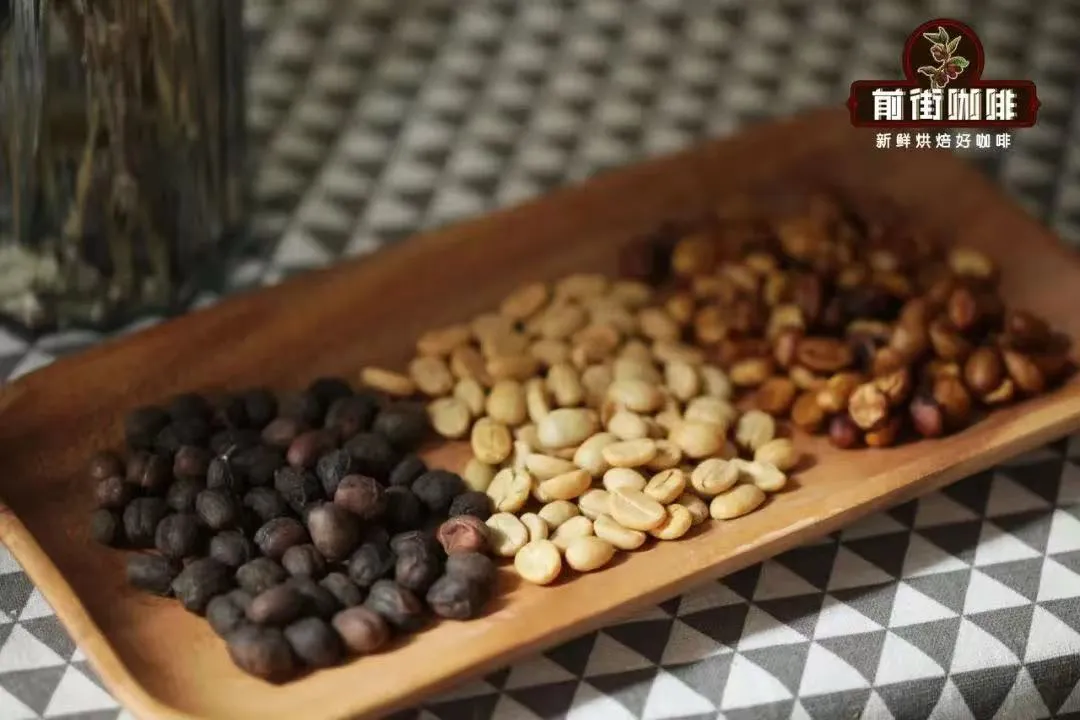
The sweetness of coffee is primarily determined by the bean variety, growing environment, processing method, and roast level. These factors collectively influence the content of natural sugars and sweet-tasting compounds in the coffee. For example, beans processed using the natural or honey method, where the fruit pulp and mucilage remain in contact with the seeds for an extended period, often retain more sweet-tasting substances, resulting in a more pronounced sweetness. Additionally, proper control during the roasting process can promote the caramelization of sugars, further enhancing the layers of sweetness.
As for sweet sensation, it is a more subjective experience. It not only relates to the inherent sweetness of the coffee but is also influenced by the brewing method, extraction parameters, as well as individual taste and smell sensitivity. Simply put, sweet sensation is the overall impression created by the combined effects of taste and smell. When we say a coffee has a “good sweet sensation,” we usually mean that the acidity and sweetness are well-balanced, the bitterness is not overpowering, and it comes with a pleasant aftertaste or flavor association.
Many people new to specialty coffee often experience a disconnect between the “sweetness” they expect and the “bitterness” they actually taste. In reality, sweetness in coffee rarely exists alone; it often needs to harmonize with other basic tastes like acidity and bitterness to be clearly perceived. For instance, medium to light roasted beans usually have lower bitterness. If you can extract an appropriate amount of fruit acidity during brewing, it can create a balanced acidity-sweetness profile, similar to the refreshing taste of certain fruits.
Extraction and Sweet-Bitter Balance: Why Does Bitterness Lead to Greater Sweetness?
The reason we perceive sweetness is often due to the contrast with bitterness and acidity. Humans are most sensitive to bitterness, whereas the threshold for detecting sweetness is relatively higher. In coffee, when bitterness is initially perceived and then followed by a sweet aftertaste upon swallowing, this is what we call the “aftertaste” or “returning sweetness.” This is also why many describe the experience as “bitterness giving way to sweetness.” This phenomenon is especially noticeable in darker roasts, such as Blue Mountain No.1 or Golden Mandheling, which often carry caramel and dark chocolate aftertastes accompanied by a lasting sweet sensation.
It’s worth noting that the quality of the sweet sensation is closely related to brewing technique. Under-extraction can make the coffee taste thin and sour, preventing the sweetness from shining through; over-extraction, on the other hand, can let bitter and off-flavors mask the sweetness. Therefore, controlling the right brewing time, water temperature, grind size, and coffee-to-water ratio are all key to enhancing the sweet sensation. Generally, for pour over, a water temperature of 90–94°C is recommended, with a grind size between medium-fine and medium, and a coffee-to-water ratio benchmark of 1:15 to 1:16 for adjustment.

Beyond taste-based sweetness, our brains are often tricked by smell, making us think a coffee that smells sweet must taste sweet. Human olfaction is divided into orthonasal (sniffing) and retronasal (through the back of the nose) olfaction. The former is the aroma we directly perceive when smelling dry or wet coffee; the latter is the flavor association produced when aromatic compounds rise to the nasal cavity as we swallow the coffee. When these aromas remind us of sweet foods like honey, caramel, or fruit, our brain automatically links this olfactory information with sweetness, creating the illusion that “this coffee is sweet.”
For example, when tasting the Dorothy bean, its aroma might remind you of ripe apricots, leading to a similar perception of juicy sweetness. This olfaction-guided sweet sensation, although not derived from actual sugar, can still positively enhance the overall flavor profile.
If you want to more accurately get a coffee with the sweet sensation you expect when ordering, try directly telling the barista your preference—for example: “I’d like something with fruity acidity and sweetness,” “I prefer caramel sweetness from a medium-dark roast,” or “I’d like to add sugar to adjust the sweetness.” This kind of communication helps the barista better understand your taste preferences and recommend suitable beans or brewing methods.
Finally, if you want to further improve your ability to discern the sweet sensation in coffee, it’s recommended to try beans from different regions, with various processing methods and roast levels, to build up a memory and recognition of different sweet profiles. Through continuous tasting and comparison, you’ll become more sensitive to the subtle layers of sweetness in coffee and enjoy the rich variety of flavors it offers.
The above content is compiled by CoffeeHunters, a coffee news website.


