







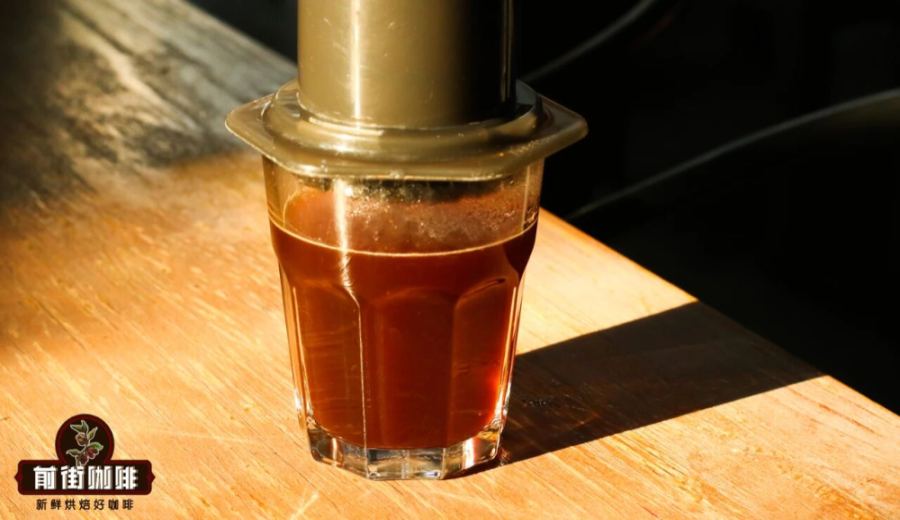
Introduction:The AeroPress is a single-container coffee brewing device that combines immersion, pressure, and paper filtration. It’s not only portable but also capable of producing coffee with distinct layers and clear flavors. This article will delve into the brewing principles of the AeroPress, key parameter settings such as water temperature, grind size, and coffee-to-water ratio, and provide practical step-by-step instructions along with time control suggestions. It also recommends several coffee bean options suited to different flavor preferences based on the AeroPress, whether you enjoy bright and sweet profiles or rich and full-bodied ones—you can easily achieve them at home.
The AeroPress is an innovative and practical coffee tool that achieves a combined effect of multiple brewing methods—including immersion, pressure, and paper filtration—through simple operation. As a result, it stably extracts coffee with clean flavors and distinct layers. For beginners in coffee, it is not only easy to use but also allows you to replicate shop-quality coffee at home. This article will fully introduce the AeroPress operation process, suggest recommended ranges for key parameters such as water temperature, grind size, and coffee-to-water ratio, and offer detailed steps and time control to help you brew more accurately each time. Additionally, based on different flavor directions, it will recommend several coffee beans that pair exceptionally well with the AeroPress, helping you explore a diverse coffee experience.
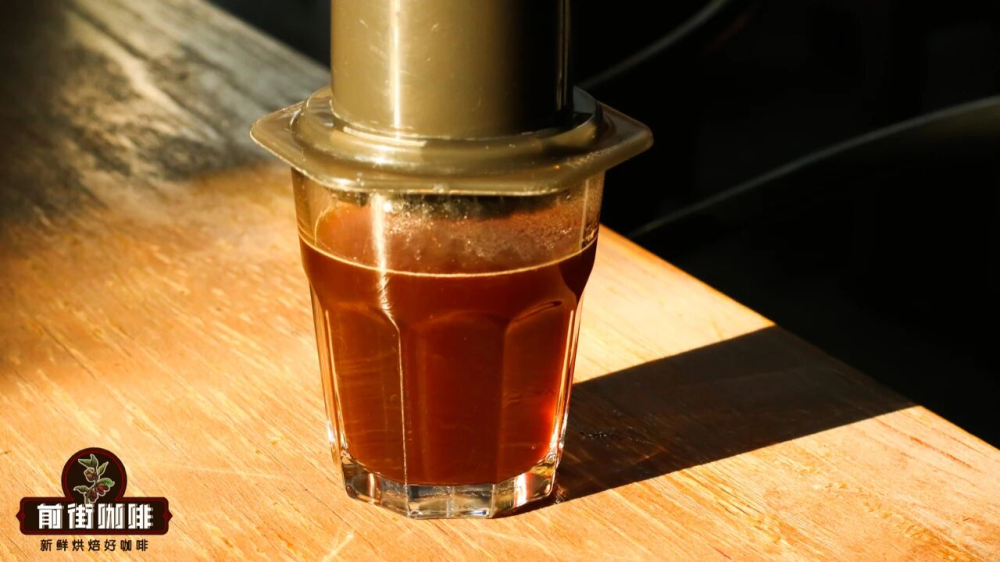
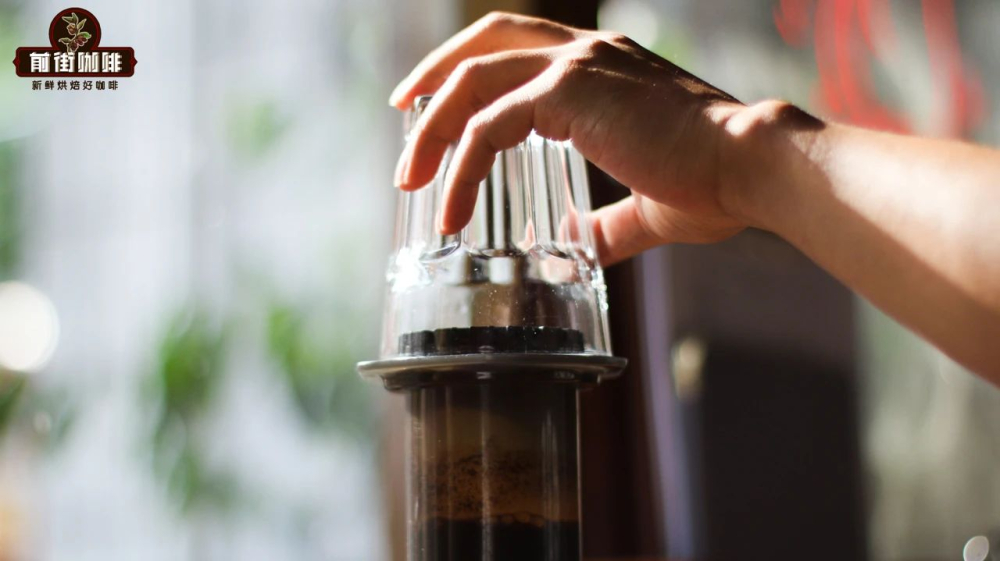
First, to use the AeroPress correctly, attention to detail begins with setup. Pull the syringe-like part (the upper chamber) to the desired capacity, then place the dedicated filter paper into the filter cap and pre-wet it with hot water. This step not only helps the filter paper adhere but also removes any paper taste—be sure to use hot water. After that, add the ground coffee into the inverted syringe. It’s recommended to use a digital scale to manage the coffee-to-water ratio for consistency. Before pouring water, you can calculate the total amount of water based on your desired strength, then pour accordingly. Additionally, some users liken the pressing action to “giving a patient an injection,” and it’s advised to maintain a steady and even speed when pressing down the plunger, which results in a smoother extraction.
When adjusting the extraction parameters of the AeroPress, there are several key metrics to pay special attention to.Water temperature:Generally, it is recommended to stay between 88°C and 92°C. For light roast beans, a higher temperature can be used to highlight fruity acidity and aroma; for dark roast beans, you may slightly lower the water temperature to avoid over-extraction, which can lead to bitterness.Grind size:It is suggested to be similar to that of pour over coffee. Too fine a grind can bring out off-flavors and a rough mouthfeel, while too coarse a grind may result in under-extraction, making the coffee overly acidic and lacking in layers.Coffee-to-water ratio:The most common and recommended ratio is 1:15, which balances strength and clarity. If the ratio is too small, the high concentration may mask flavor layers and easily produce sharp acidity; if too large, it may extract unnecessary substances, resulting in woody or stale tastes.
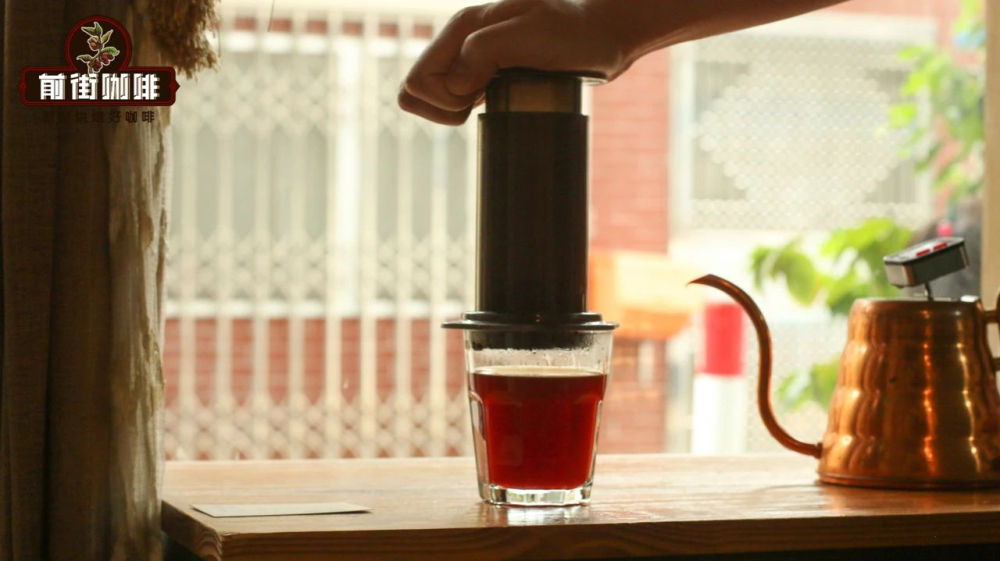
The design structure of the AeroPress can be divided into three main parts: the main body, the filter cap, and the plunger. Its brewing principle combines the immersion concept of a French press, the paper filtration of pour over, and the pressurized extraction similar to espresso. When hot water and coffee grounds are mixed and fully immersed, the user presses down the plunger, pushing air and forcing water through the coffee layer and filter paper, ultimately yielding a cup of coffee with clear flavors and a smooth mouthfeel. This design that integrates multiple brewing techniques is precisely what enables the AeroPress to deliver nuanced flavors despite its simple operation.
Depending on different flavor preferences, the AeroPress also demonstrates excellent adaptability. If you prefera balanced sweet and sour profile,you can choose honey-processed coffee beans, such as the Costa Rica Mozart produced by a certain brand, which has a notable sweetness and layers of tropical fruit.If you favor ahigh sweetness profile,sun-dried beans are a great option, such as the sun-dried Huaguai from a certain brand, which boasts intense fruit aroma and prominent sweetness.If you prefer arich and bold mouthfeel,you might try beans from the Indonesian region, such as the Lintong Mandheling or Golden Mandheling from a certain brand, which are low in acidity and offer a robust chocolate and spice profile.
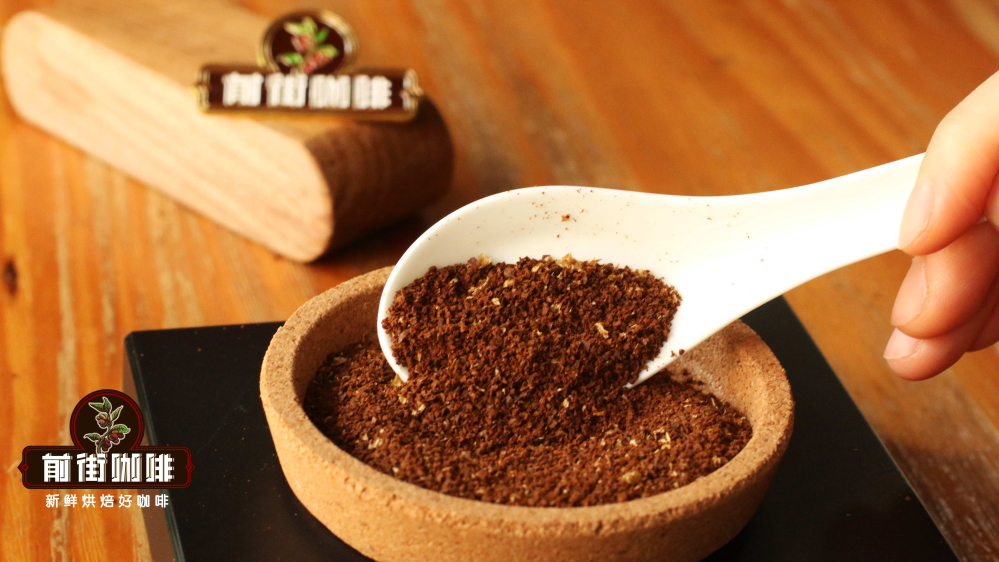
For those who enjoybright acidity,it’s recommended to select washed-process coffee beans, such as Kenya Little Tomato or washed Guodingding from a certain brand, which feature lively acidity with refreshing berry and citrus notes.Below is a set of brewing parameters that have performed excellently in tests, provided for readers who want to refine their technique further: using 18 grams of coffee,with a coffee-to-water ratio of 1:11,
paired with an Ek43 grinder at setting 9 (approximately medium-fine grind),
The above content is compiled by CoffeeHunters, a coffee news website.


