







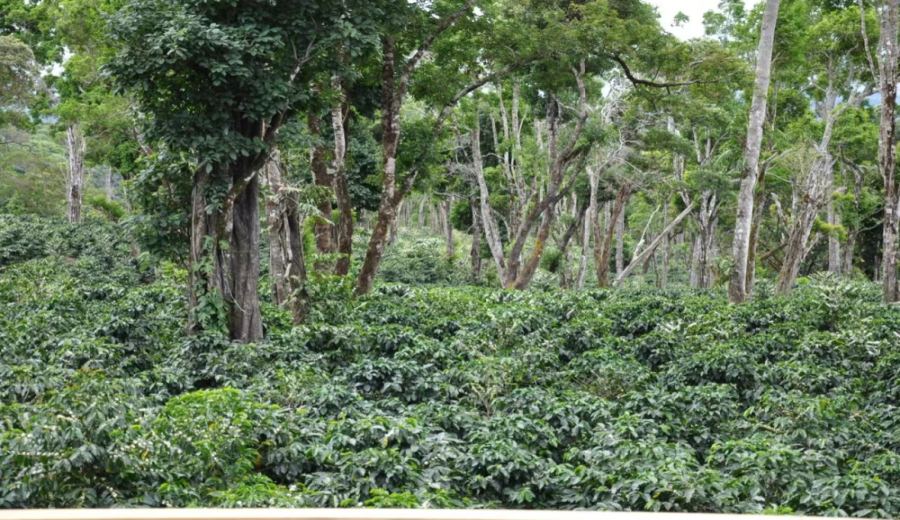
Introduction:The Panamanian Geisha Butterfly coffee beans feature Geisha as the dominant variety, blended with Caturra and Catuai, showcasing the aromatic characteristics of high-altitude Geisha at an accessible price point. This article delves into the terroir of the Boquete region, the varietal profile of its 70% Geisha composition, as well as the sweetness brought by the natural processing method. It also provides practical pour over parameters to help coffee enthusiasts brew bright berry and floral notes at home.
When it comes to Panamanian coffee, Geisha is undoubtedly the star, but its often sky-high price—running into several thousand yuan—can be a deterrent. As a cost-effective alternative, the Geisha Butterfly beans also hail from Panama’s Boquete region and consist of three varieties: Geisha, Caturra, and Catuai, with Geisha making up as much as 70%. This allows coffee lovers who appreciate the Geisha flavor profile to enjoy a similar drinking experience at a reasonable budget.
The origin of these beans is no accident. Boquete is located in the volcanic belt of Barú, boasting mineral-rich volcanic ash soil. Coupled with the region’s unique microclimate—varying foggy and rainy conditions between altitudes of 1,200 to 2,000 meters, along with significant day-night temperature differences—it creates an environment highly suitable for growing Geisha. Notably, these microclimatic variations are one of the key factors that enable Panamanian coffee to express such distinctive individuality.
The varietal blend of Geisha Butterfly may seem complex, but it’s actually crafted with intention. Geisha, as the main component, delivers bright acidity and a tea-like mouthfeel, while Caturra and Catuai contribute body and balanced sweetness. Although its name includes “Butterfly,” hinting at a blend concept, technically speaking—as long as it’s sourced from a single region—a mix of multiple varieties still falls under the category of single-origin coffee. This transparent labeling of varietal proportions is quite rare in the market.
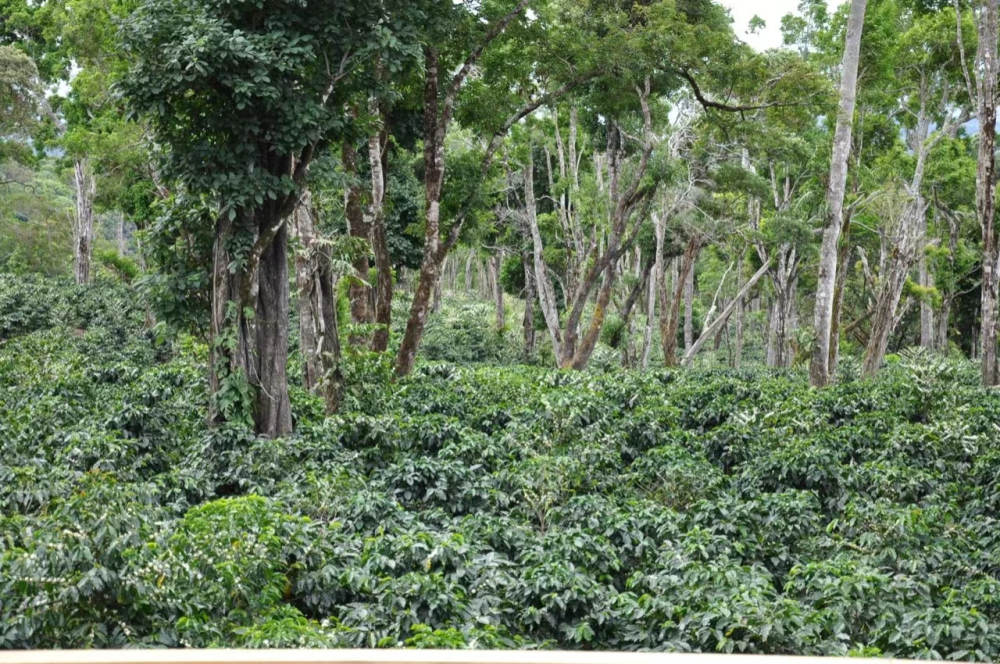
In terms of processing, the natural-processed Geisha Butterfly exhibits a flavor profile distinctly different from its washed counterpart. Quality natural processing begins with rigorous selection of only fully red ripe cherries—the only ones allowed to proceed to the next stage. After flotation to remove defective beans, the coffee cherries are evenly spread on raised beds to dry for about two weeks, with regular turning to ensure even heat exposure, ultimately stabilizing the moisture content at the ideal level of 12%.
This processing method fully preserves the pulp’s sugars, imparting a distinct tropical fruit character to the coffee.Common flavor notes include mango, red berries, and honey-like sweetness.The finish carries a mellow caramel aroma. Compared to traditional washed processing, natural beans usually have a rounder mouthfeel and higher sweetness, making them ideal for those who prefer a sweeter flavor profile.
To successfully extract the potential of Geisha Butterfly at home, pay attention to the following key parameters:Suggested grind size: medium-fine (similar to fine sugar granules).Maintain a coffee-to-water ratio between 1:15 and 1:16.Ideal water temperature: 90–92°C.Temperatures that are too high can amplify unwanted off-flavors. For the pour over process, a staged extraction is recommended: start with a 30% water bloom phase (for about 30 seconds), which is crucial for developing a full aromatic profile.
Since Geisha Butterfly uses freshly roasted beans (it’s best to choose beans roasted within 5–15 days), it typically requires a resting period of about 4–7 days. This allows for the full release of CO₂, helping flavors to present more clearly. During brewing, observing the stability of the amber-colored foam layer (crema) can serve as one indicator of whether the extraction is even.
In summary, Geisha Butterfly coffee beans represent another facet of Panamanian coffee—maintaining the core traits of Geisha while offering a high-value-for-money drinking experience through thoughtful varietal blending and economical processing choices. Whether as a daily brew or an entry point into exploring Panamanian terroir, this naturally processed blend is worthy of a spot in any coffee enthusiast’s collection.
The above content is compiled by CoffeeHunters, a coffee news website.


