








Introduction:Specialty coffee is not just a synonym for high prices, but a comprehensive pursuit of quality across cultivation, processing, and brewing. This article delves into the core concepts of specialty coffee, the roles of its five key participants, and uses examples such as Ethiopia COE22 Typica and Yunnan Natural Typica to explore the key factors behind flavor formation, while also providing practical extraction parameters to help you master the essence of specialty coffee.
Specialty coffee is not merely a marketing term, but a complete system that emphasizes the entire journey from seed to cup. This concept was first introduced in 1974 by Ernst "Specialty Coffee Mother" Erna Knutsen in Tea & Coffee Trade Journal. She argued that only in environments with excellent microclimates and soil conditions can coffee with unique flavors be grown, thus distinguishing it from commercial-grade beans.
Behind specialty coffee lies the joint efforts of five key players: the coffee farmer, green bean buyer, roaster, barista, and the end consumer. Each participant is committed to maintaining the highest quality standards — from selecting the coffee variety, choosing the altitude and climate for cultivation, to applying post-harvest processing techniques, and fine-tuning the roasting profile and brewing method. Every step influences the final flavor presentation.
Judging whether a coffee meets specialty grade mainly depends on whether its flavor profile has distinct characteristics, with bright acidity that is not overly sharp, along with unique tasting notes and a good sweet aftertaste. More importantly, each stage of the process, from green bean to brewed coffee, must follow strict quality control procedures to ensure consistency and stability of flavor.
Take the Ethiopia Sidamo Arsi COE22 as an example. This coffee comes from the six-hectare farm of local farmer Adem Banta Sute, is of the Arabica classic Typica variety, and is processed using the natural (sun-dried) method. The Arsi region sits at an altitude between 1900 to 2200 meters, located in western Sidamo, adjacent to the renowned Yirgacheffe and Harrar regions, with microclimatic conditions highly suitable for specialty coffee growth.

As one of the oldest Arabica varieties, Typica features long, slender beans and bronze-colored top leaves. Its flavor is known for being clean and balanced. Although it has relatively low yield and weaker disease resistance, it remains a classic in the hearts of many coffee enthusiasts. This COE22 is processed through a two-week high-elevation raised bed sun drying method. The coffee cherries are dried with their pulp intact and are turned manually every 30 to 60 minutes to ensure even fermentation and prevent off-flavors, resulting in a rich yet clean fruity sweetness.
The recommended brewing parameters for this coffee at our café are a three-stage pour over: start with a 30-second bloom using 30 grams of water, then pour in a small circular motion until reaching 125 grams for the first pour. When the water level is about to expose the coffee bed, pour again to 225 grams. Remove the filter just before the dripping finishes, keeping the total brew time at exactly 2 minutes. This method fully highlights the coffee’s layered flavors and sweetness.
In actual tasting, this COE22 exhibits citrusy acidity, vibrant berry-like juiciness, paired with a creamy-smooth mouthfeel and a honey-like finish. The flavor profile is richly layered with a long-lasting aftertaste. Through precise processing and brewing, the unique characteristics of Typica are fully expressed.
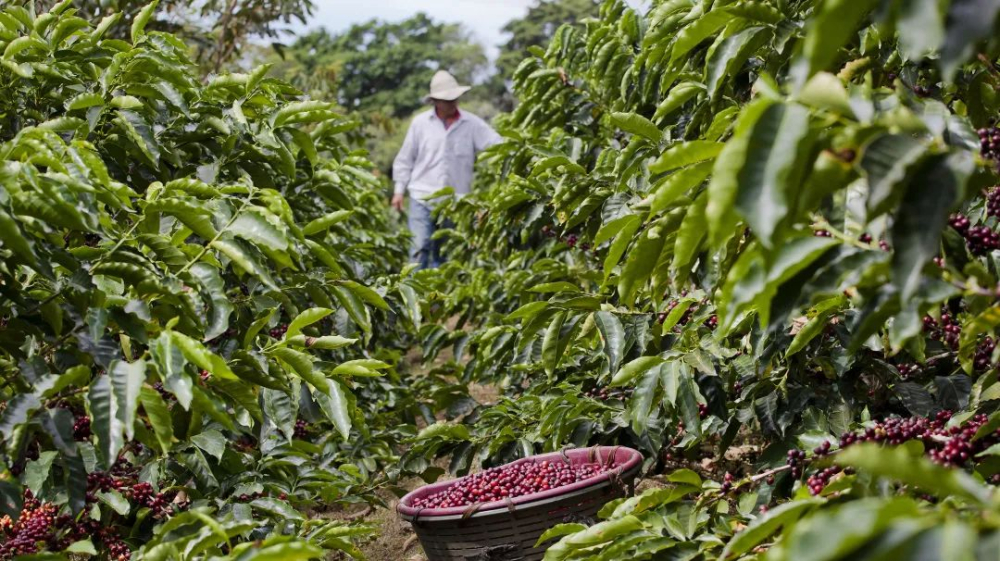
As mentioned in Han Huai-Zong’s "The World of Specialty Coffee," the flavor expression of specialty coffee is 70% derived from the variety and 30% from the environment. To better understand this, many coffee brands have conducted planting experiments in specific microclimates. For example, a self-operated plantation in Lincang, Yunnan, chose to plant the locally adaptable Typica variety.
The Lincang region in Yunnan sits at an altitude of about 1300 meters, with a mild climate, large day-night temperature variations, and changeable weather conditions, all of which provide a unique environment for flavor development in coffee. This 2013-released Yunnan Natural Typica is also processed using the natural method. Through prolonged sun drying with intact fruit pulp, it delivers soft berry acidity, nutty tones, along with a distinct tea-like quality and a sweet aftertaste reminiscent of brown sugar.
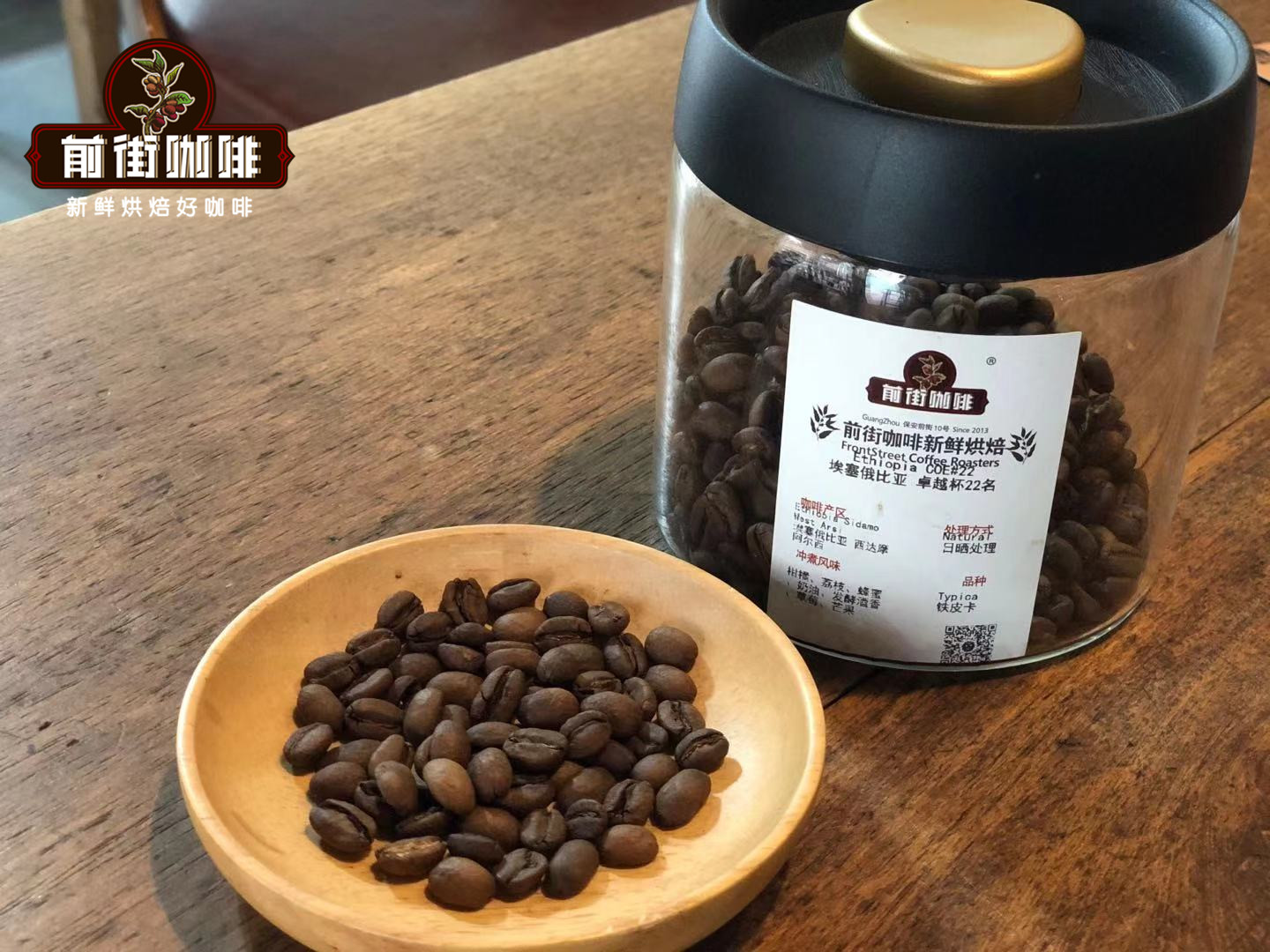
Whether it's the Ethiopia COE22 or the Typica from the Yunnan self-operated plantation, these examples of specialty coffee demonstrate the close connection between variety, processing method, and environment. For coffee enthusiasts, understanding these behind-the-scenes processes not only allows for a deeper appreciation of coffee details, but also enables more accurate choices and brewing decisions, further enhancing the overall drinking experience.
The above content is compiled by CoffeeHunters, a coffee news website.


