







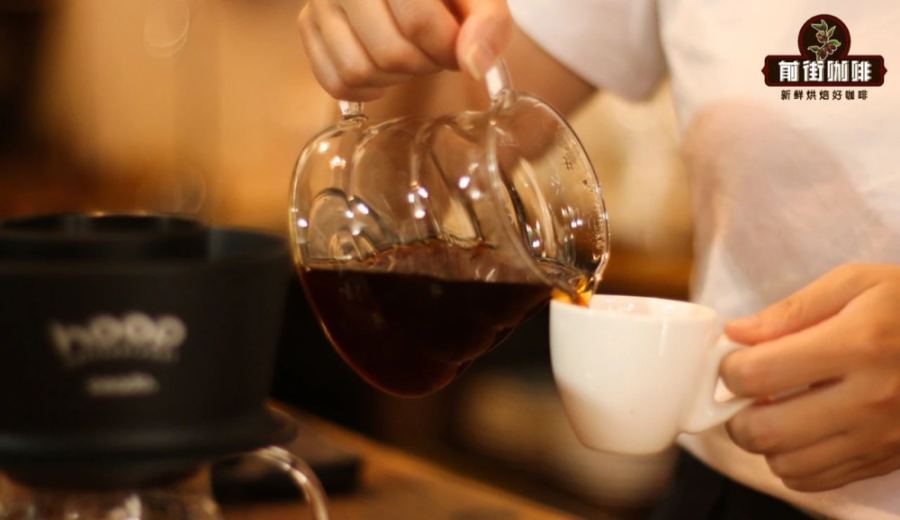
Introduction:Want to consistently brew the rich flavors of Jamaican Blue Mountain No. 1 using a French press? This article delves into how to control grind size, coffee-to-water ratio, water temperature, and steeping time to bring out the distinctive nutty, chocolatey, and caramel notes of Blue Mountain coffee. From equipment selection to operational details, we’ll guide you step-by-step to recreate a professional-grade Blue Mountain coffee experience.
The French press is the go-to brewing device for many coffee beginners due to its intuitive operation, similar to making tea. However, when brewing high-quality beans like Jamaican Blue Mountain No. 1, it’s essential to precisely manage several key variables: grind size, water temperature, coffee-to-water ratio, and steeping time. Using Blue Mountain No. 1 as an example, this article will walk you through how to effectively use a French press to highlight its classic nutty, dark chocolate, and caramel profiles.
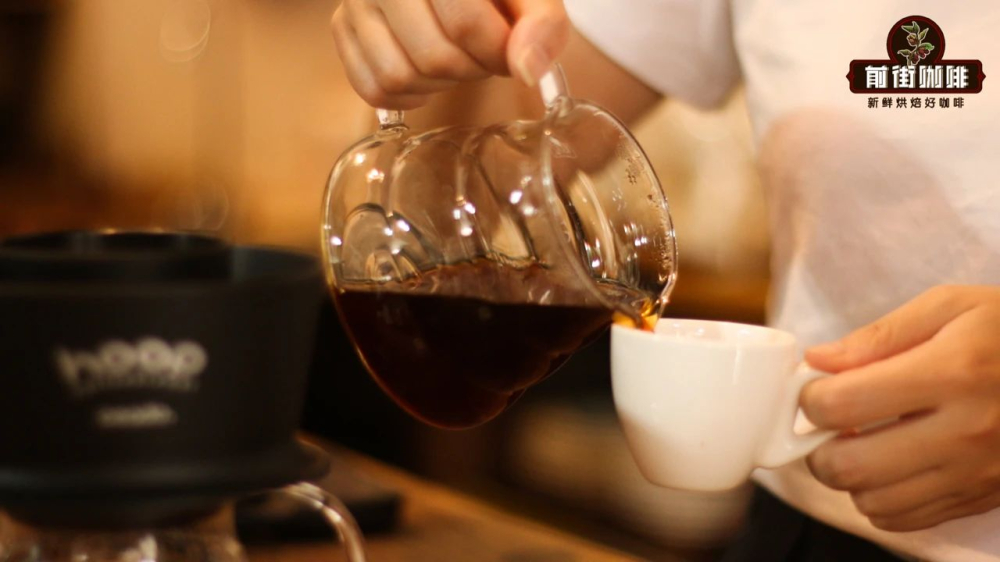
It’s often said that “no matter how you brew it, good coffee won’t taste bad,” but the truth is, even the highest-grade coffee beans can fail to showcase their full flavor complexity if brewed improperly. As a time-honored and straightforward brewing tool, the French press operates on an immersion-based principle, using a metal filter to directly separate coffee grounds, which helps retain more coffee oils and sediment. This actually complements beans like Blue Mountain that emphasize a rich mouthfeel and terroir characteristics.
This article uses the classic Jamaican Blue Mountain No. 1 as a sample, detailing the complete process of brewing with a French press. From initial preparation, weighing beans, and pouring water, to stirring, blooming, and pressing, each step directly impacts the final flavor profile—especially whether the creamy, oolong tea, and caramel aftertastes commonly found in Blue Mountain beans are fully expressed, all hinges on the details.
Origin and processing characteristics of Blue Mountain coffee:
Jamaican Blue Mountain No. 1 is grown at an altitude of about 1310 meters in the Blue Mountains at the Clifton Estate, and is of the Typica variety, processed using the washed method. This processing method first removes unripe cherries and impurities, then washes the coffee beans still covered in mucilage with clean water, followed by moderate sun drying, which helps preserve the coffee’s cleanliness and regional characteristics. Blue Mountain coffee from this region typically has a nutty base tone paired with a rich dark chocolate profile, with well-balanced acidity, sweetness, and bitterness—ideal for coffee lovers who enjoy delicate and balanced flavors.
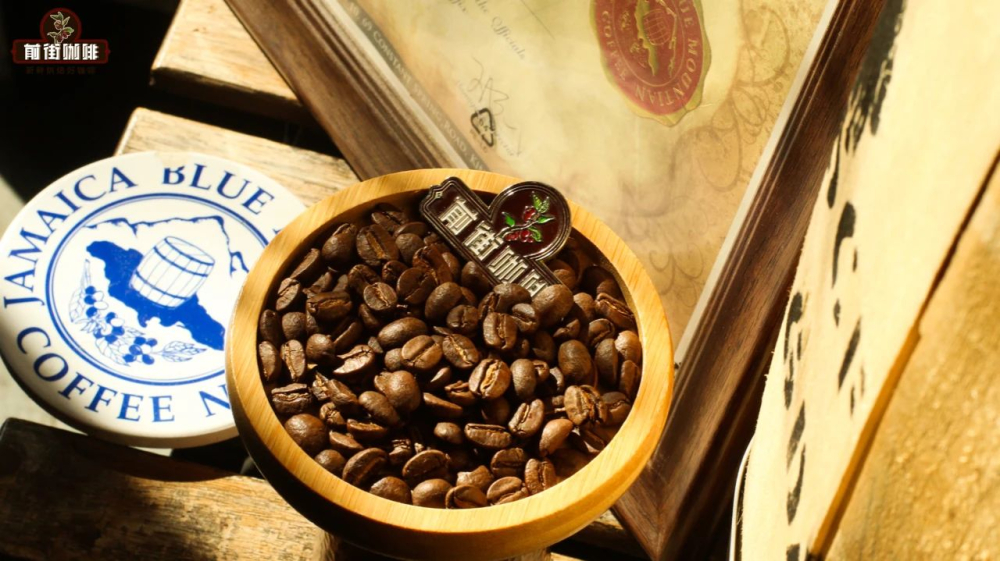
The raw beans of Blue Mountain No. 1 exhibit a uniform bluish-green color with a subtle aroma, and are usually roasted to a medium-dark level to enhance their chocolate and caramel aftertaste. It’s worth mentioning that Blue Mountain coffee is still shipped in wooden barrels to this day, one of the few regions in the world to retain this tradition, and also one of the symbols of its high quality.
Basic preparation and equipment for brewing Blue Mountain with a French press:
It’s recommended to use a two-cup French press, paired with a flat or conical burr grinder, grinding the coffee beans to a coarseness similar to brown sugar, with uniform particle size preferred. This is because the metal filter of a French press has relatively large gaps, and if the coffee grounds are too fine, it can lead to over-extraction, resulting in overly bitter or gritty flavors. Essential tools include: a French press, grinder, pour-over kettle, thermometer, scale, timer, and an appropriate amount of water.
The standard coffee-to-water ratio is recommended to be set between 1:14 and 1:18, with 1:15 being common (for example, 20 grams of coffee beans to 300 milliliters of water). If your French press has volume markings, it’s advisable to pour the water first and then add the coffee grounds to accurately control the ratio; if not, you can rely on the scale to weigh the water. While the volume of hot water and cold water differs slightly, the impact is minimal in home brewing scenarios and can be disregarded.
Step 1: Weigh out 20 grams of freshly roasted Jamaican Blue Mountain No. 1 coffee beans.
Step 2: Heat the water to 85–95°C. Lighter roasts can use slightly higher temperatures to enhance aroma, while darker roasts are better with slightly lower temperatures to reduce bitterness—you can fine-tune according to personal preference.
Step 3: Pour the coarse-ground coffee powder into the French press.
Step 4: Slowly pour hot water, ideally using a pour-over technique with circular motions to ensure every coffee particle is fully saturated.
Step 5: The first pour should be around 300 grams, corresponding to a 1:15 coffee-to-water ratio for 20 grams of beans; adjust the water volume according to taste.
Step 6: Use a bamboo or stirring stick to gently stir, ensuring the coffee grounds are evenly distributed in the water.
Step 7: Cover the French press with the lid, but do not press down the filter yet. Let it steep for about 4 minutes. This stage is the main extraction period, and the time can be adjusted based on personal preference, but should not exceed 5 minutes to avoid over-extraction.
Step 8: Once the time is up, slowly and steadily press the filter down to the bottom of the press, ensuring even pressure to prevent fine particles from passing through the filter and affecting the mouthfeel.
Step 9: When pouring the coffee into your cup, it’s recommended to tilt the French press gently to avoid stirring up coffee grounds from the bottom.
Step 10: Enjoy a cup of French press-brewed Blue Mountain coffee with a complete and layered flavor profile, often featuring rich chocolate, creamy aromas, and an aftertaste with caramel and a hint of oolong tea, along with a distinct sweetness.
The above content is compiled by CoffeeHunters, a coffee news website.


