







Introduction:As the cradle of specialty coffee, Ethiopia’s Sidamo and Yirgacheffe regions have always garnered significant attention. Yirgacheffe was once part of Sidamo but gained independence as a distinct region due to its standout citrus acidity. This article will delve into a comparative analysis of their geographic environments and processing differences, using two representative sun-dried beans—Sidamo Huika and Yirgacheffe Aricha—as examples to explore their flavor profiles, roasting curves, and pour-over parameters. This will help coffee enthusiasts better grasp the unique charm of these two renowned regions.
Ethiopia is a global birthplace of specialty coffee, with Sidamo and Yirgacheffe being the most well-known regions. Interestingly, Yirgacheffe was originally just a small town under Sidamo. Due to the exceptionally prominent citrus and lemon acidity in its coffee, it eventually broke away from Sidamo to become an independent region. Though neighboring each other, these two regions have cultivated distinctly different coffee personalities. This article will take readers deep into the flavor essence of Sidamo and Yirgacheffe from perspectives such as regional environment, variety characteristics, and processing differences, and will provide practical roasting and pour-over references using two classic sun-dried beans.
Overview of the Sidamo Region
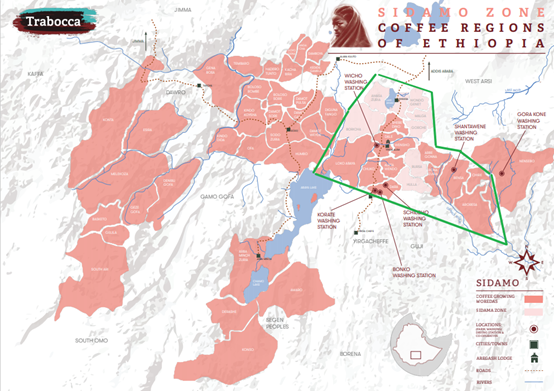
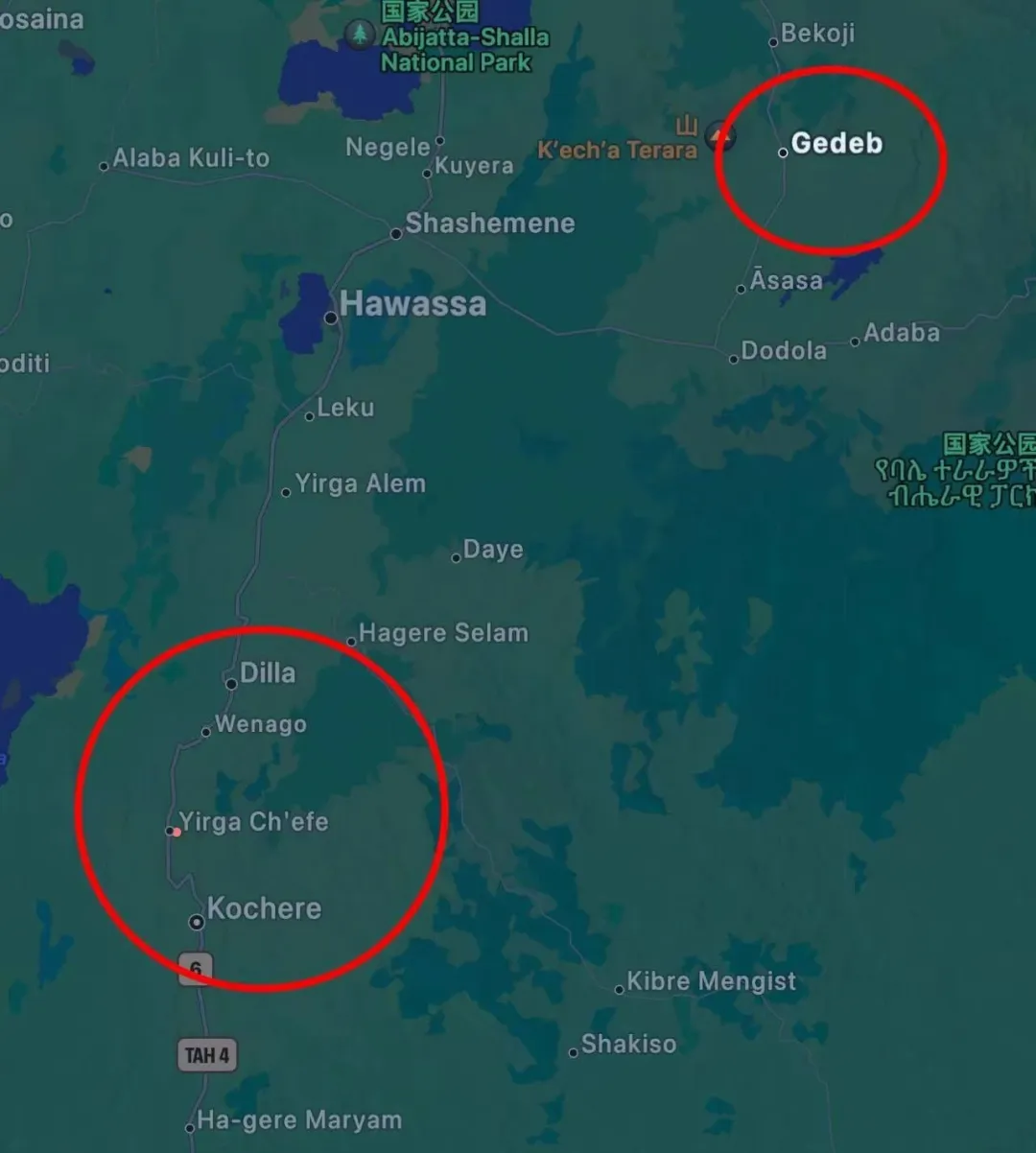
Located in southern Ethiopia, Sidamo sits at an altitude of approximately 1400 to 2000 meters, making it a typical highland area. Agriculture is the main industry here, and coffee is mostly grown around the East African Rift Valley. Due to diverse soil compositions and microclimates, even coffee beans from adjacent villages can exhibit completely different flavor profiles. Sidamo coffee is known for its rich fruitiness and varied mouthfeel, ranging from soft floral notes to intense berry tones, making it an excellent starting point for coffee lovers exploring flavor depth.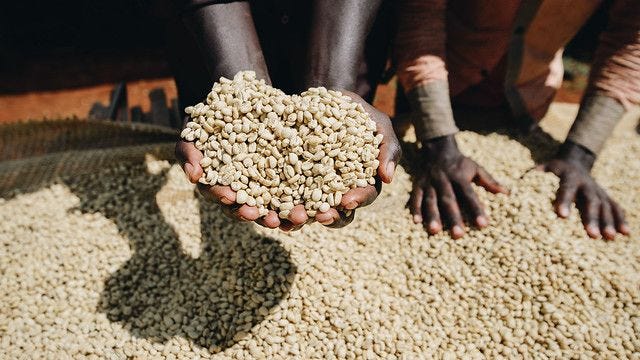
Analysis of Sun-Drying Processing in Sidamo
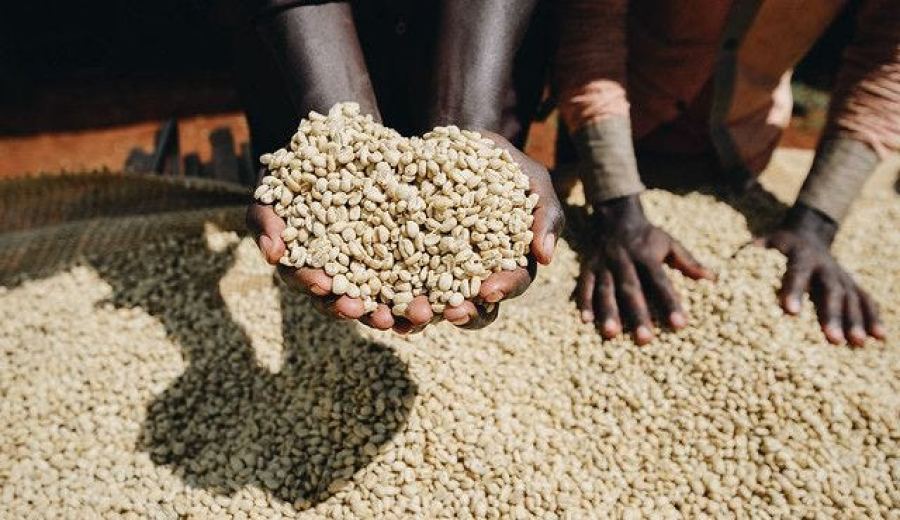
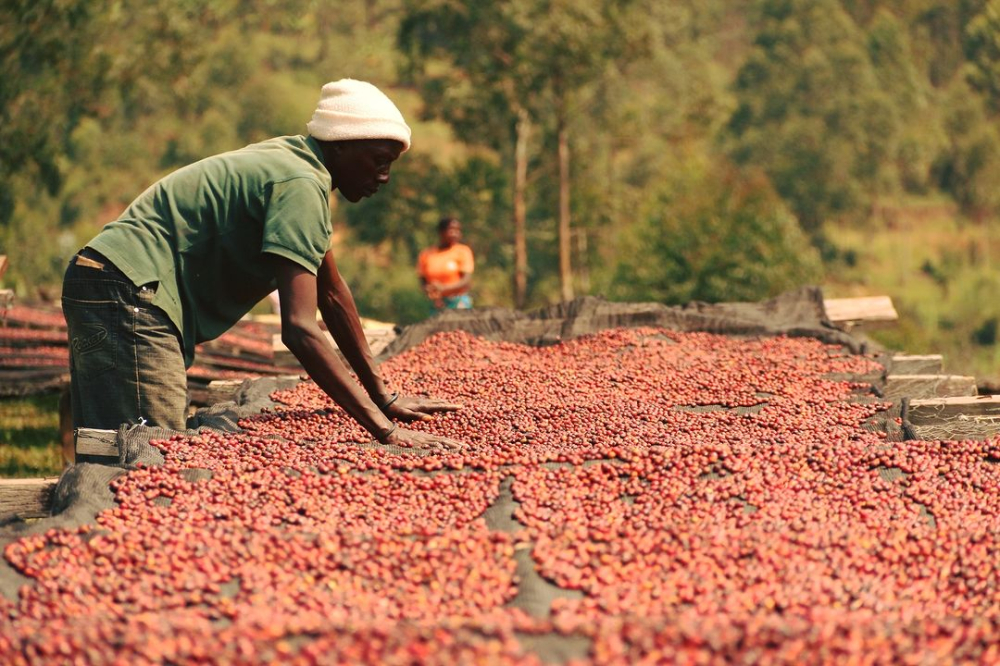
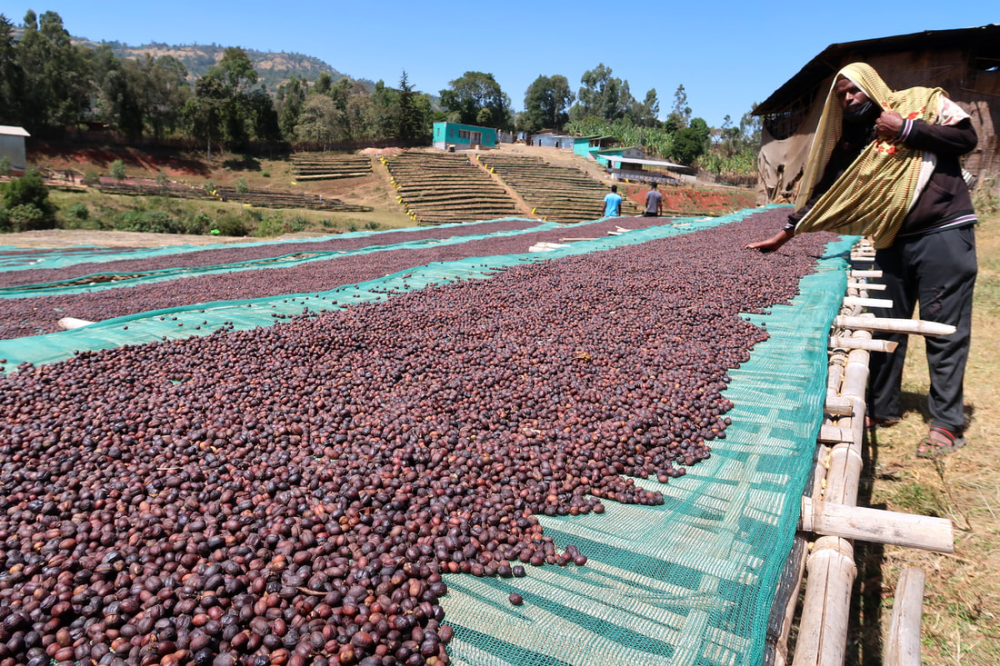
In Ethiopia, about 70% of coffee is processed using the sun-drying method, and Sidamo is no exception. The most distinctive feature of this method is its ability to enhance the fruitiness and fermented aromas of coffee, while also imparting a rounder body and smoother mouthfeel. The sun-drying process can be roughly divided into four stages: first, ripe red cherries are carefully selected and defective fruits are removed; next, the coffee cherries are placed on drying surfaces (which may include waterproof tarps, raised beds, or concrete floors) and dried for 27 to 30 days until the moisture content stabilizes at around 11%; then, the cherries undergo hulling and skin removal to separate the pulp and parchment layers; finally, the beans are screened again to ensure consistent quality before packaging and export. This method retains more sugary pulp content, giving the coffee a rich tropical fruit and honey-like profile.
Yirgacheffe Region: Unique Terroir of High Altitude and Wetlands
Yirgacheffe is situated at an altitude of 1800 to 2000 meters, adjacent to Sidamo, but features slightly different terrain and microclimate, characterized by a wetland environment with abundant water sources. Although it was originally part of the same region as Sidamo, Yirgacheffe's coffee is distinguished by its vivid citrus, lemon acidity, and floral tones. As a result, after the 1950s, it was designated as an independent region and became a benchmark for African specialty coffee. In its early days, Yirgacheffe primarily used traditional sun-drying methods, but after the introduction of Central and South American washed processing techniques in 1972, the clarity of its acidity and overall flavor complexity significantly improved. However, with the evolution of sun-drying technology, the region has seen a resurgence of sun-drying trends in recent years, producing many impressive sun-dried beans.
Evolution of Processing Methods in Yirgacheffe: From Sun-Dried to Washed and Back
Yirgacheffe originally employed ancient sun-drying methods, but the introduction of washed processing led to brighter acidity and crisper mouthfeel, making washing the dominant method in the region. However, in the 21st century, as the specialty coffee market renewed its interest in sun-dried flavors, Yirgacheffe also saw many innovative sun-dried processing experiments. Among them, a sun-drying technique refined by local trader Bagassi successfully restored traditional flavors while adding complex layers, bringing sun-dried Yirgacheffe back into the spotlight and making it a sought-after choice for many coffee enthusiasts.
Overview of Washed Processing Method
The hallmark of the washed method is the use of water flow screening and fermentation to remove the mucilage, which highlights the coffee’s cleanliness and acidity. The steps include: first, immersing the coffee cherries in water, where floaters are usually defective beans and sinkers are the high-quality ones; next, removing the outer skin and pulp, with the remaining mucilage layer undergoing about 18 hours of fermentation and multiple washes; finally, drying the cleaned beans until their moisture content drops to 11% before packaging. This method is water-intensive, requiring approximately 40 to 50 kilograms of clean water per kilogram of coffee beans, making it less suitable for arid regions. But when done correctly, it can yield high-quality coffee with a clean and bright taste.
Same Sun-Drying Processing—How Do Flavors Differ Between Sidamo and Yirgacheffe?
To enable a direct comparison, the following selects two representative sun-dried beans—Yirgacheffe Aricha and Sidamo Huika—for flavor analysis. These two beans not only share the same processing method but also come from Ethiopia’s high-altitude regions. However, due to differences in regional microclimate and variety, they exhibit distinctly different flavor profiles.
Yirgacheffe Aricha (Sun-Dried)
Region: Yirgacheffe
Altitude: 1900-2100 meters
Variety: Local landrace
Processing Method: Sun-Dried
Flavor Profile: The cup opens with light fermented winey notes, followed by sweet orange, spices, and honey-like sweetness, featuring bright acidity and a long finish.
Sidamo Huika (Sun-Dried)
Region: Guji-Hambela (formerly part of Sidamo)
Altitude: 2250-2350 meters
Variety: Local landrace
Flavor Profile: Exhibits complex aromas of rose, creamy strawberry, citrus, and passion fruit, with a finish that carries a unique oolong tea-like note and layered complexity.
Roasting Recommendations and Reference Curves
For these two sun-dried beans, a medium-light to medium roast is recommended to preserve their inherent fruity notes and vibrant acidity. Below are actual roasting curve references for both beans:
Huika Roasting Curve (YANG-800N, 480g charge)
Enter drum at 175°C, air vent 3, flame 120; at 140°C, adjust air vent to 4; at 6 minutes, temperature 151.7°C, bean surface turns yellow, grassy notes disappear; at 9 minutes 50 seconds, first crack begins, air vent fully open, flame reduced to 80; after 1 minute 40 seconds of first crack development, drop at 196°C.
Aricha Roasting Curve (YANG-600g semi-direct flame, fast roast mode)
Enter drum at 200°C, air vent 3, adjust flame to 160 after 30 seconds; at 150°C, adjust flame and air vent; at 8 minutes, bean surface shows black spots and wrinkles, first crack begins, reduce flame to 70, air vent fully open; after 1 minute 48 seconds of first crack, drop at 195°C.
Pour-Over Recommendations and Flavor Performance
Equipment: V60 #01
Water Temperature: 90-91°C
Dose: 15g
Brew Ratio: 1:15
Grind Size: Fine sugar-like (approximately 80% through a #20 sieve)
Pour-Over Steps
First step: pour 30g water for bloom, steep for 30 seconds; second step: pour 95g water (total ~125g), complete in about 1 minute; third step: when water level drops to 2/3 of coffee bed, pour remaining 100g water (total ~225g), complete in about 1 minute 40 seconds to 1 minute 45 seconds; total brew time around 2 minutes to 2 minutes 10 seconds, then remove filter.
Yirgacheffe Aricha Pour-Over Flavor: Smooth mouthfeel, pronounced ripe fruit acidity with fermented fruit aromas, lasting sweetness, and a mellow finish.
Sidamo Huika Pour-Over Flavor: At high temperature, presents almond notes; as it cools, transitions to berry acidity and blackcurrant juice-like flavors, with distinct honey sweetness and a long-lasting finish.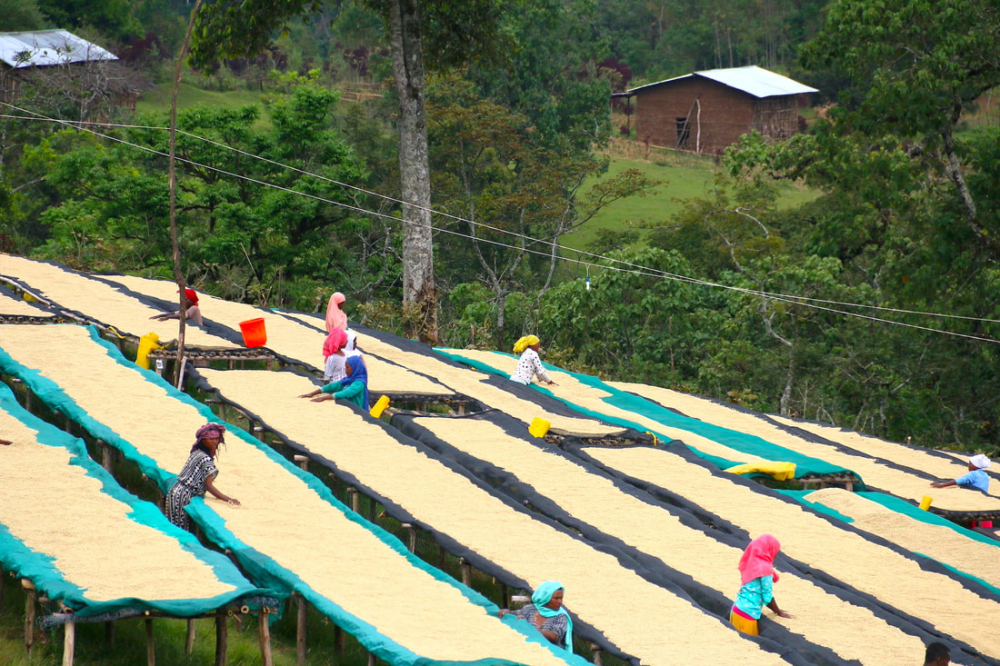
The above content is compiled by CoffeeHunters, a coffee news website.


