







Introduction:How long can coffee beans be stored after bringing them home? How should you store them to maintain their optimal flavor? This article delves into the science behind coffee degradation—from roast dates, the impact of oxygen and moisture, to common storage misconceptions such as freezing—and provides practical preservation tips and methods to determine when your coffee has gone stale, helping you enjoy the freshest cup possible.
Every home coffee brewer has faced one common question: how long do coffee beans really last? Especially when you buy several packs of your favorite beans at once, it’s natural to worry whether they’ll lose flavor over time or even go bad. So, how long is the shelf life of coffee? Can you still drink it after the date on the package? And how should you store it properly to ensure every cup retains its best flavor?
In fact, whether whole bean or pre-ground, coffee inevitably loses its flavor over time. This isn’t simply an “expiration” issue—it’s closely tied to the chemical composition of the coffee itself and the surrounding environment. Coffee consists of various compounds prone to breakdown, including carbohydrates, lipids, and amino acids. These components gradually decompose under the influence of time and environmental factors, altering the overall character of the coffee.
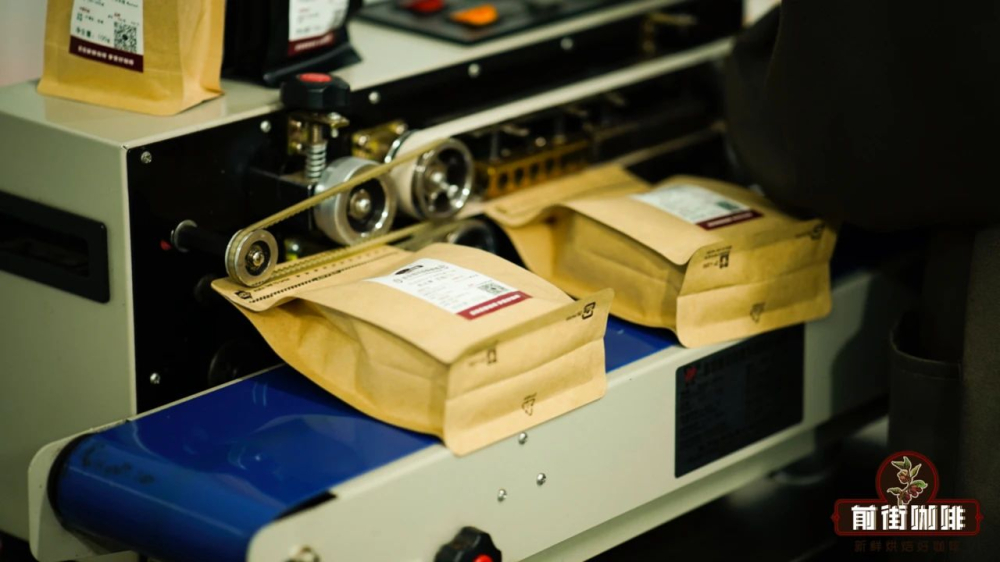
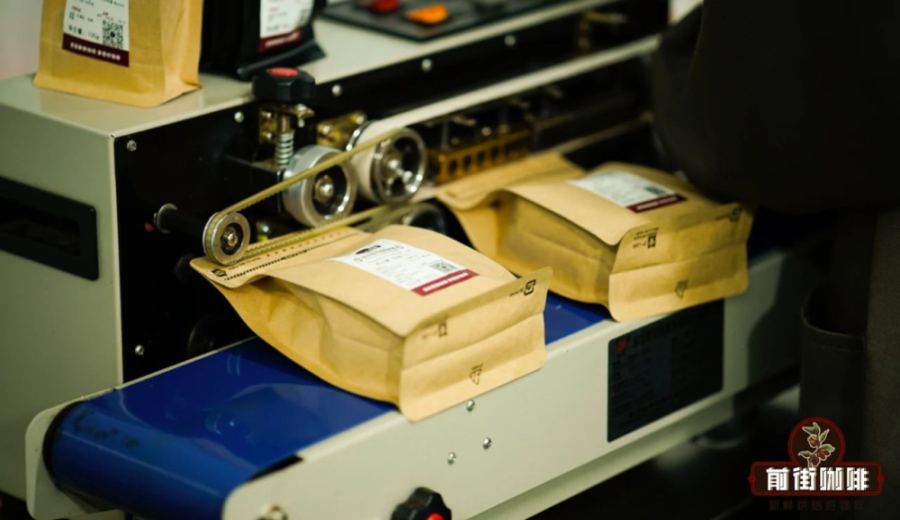
Generally, most coffee packaging indicates a shelf life of about one year after the roast date. However, this date is more of a “best by” date based on commercial considerations rather than an absolute “safe to consume” deadline. Right after roasting, producers typically pack the beans in sealed bags and inject nitrogen to slow oxidation and preserve freshness. But once you open the package, the coffee starts being exposed to oxygen, moisture, and external elements, leading to gradual changes in flavor.
So, how can you store coffee properly to slow down its deterioration? First,sealingis key. Both whole beans and ground coffee should be kept in containers that completely block out air. Next,a cool, dark, and low-humidityenvironment is equally essential. It’s especially important to note that moisture is one of coffee’s greatest enemies. Storing it in damp conditions not only affects flavor but may also encourage mold growth, which can pose serious health risks.
Moreover, many people consider storing coffee in the fridge, believing the low temperature slows degradation. However, this is a common misconception. Even in the refrigerator, coffee will still absorb other odors, and trace amounts of moisture can seep into the beans or grounds, resulting in a dull flavor—especially for high-quality specialty coffees like Blue Mountain, Geisha, or Mandheling, where delicate aromas and layered flavors are greatly diminished. Therefore, unless you have excellent sealing and dehumidifying measures in place,it is not recommended to store coffee in the fridge long-term.
The most straightforward way to determine if your coffee has gone bad is by using your sense of smell. Fresh coffee typically boasts a rich and pleasant aroma, often with positive notes such as caramel, fruit, or flowers. In contrast, stale or over-stored coffee often emits musty, dusty, or even moldy odors, while the original sweetness and complexity disappear. If you notice obvious mold spots or fuzzy growth on the surface of beans or grounds, discard them immediately—do not brew or consume them.
As for whether drinking expired coffee is harmful to your health—if the coffee has merely lost its flavor without developing mold or off-odors, it usually doesn’t pose direct health risks. However, for coffee enthusiasts who value quality and flavor, a cup lacking aroma and complexity may taste like plain hot water, defeating the purpose of brewing. Therefore, it’s advisable to regularly assess your coffee’s condition based on your flavor expectations and replace it promptly when its flavor noticeably declines.
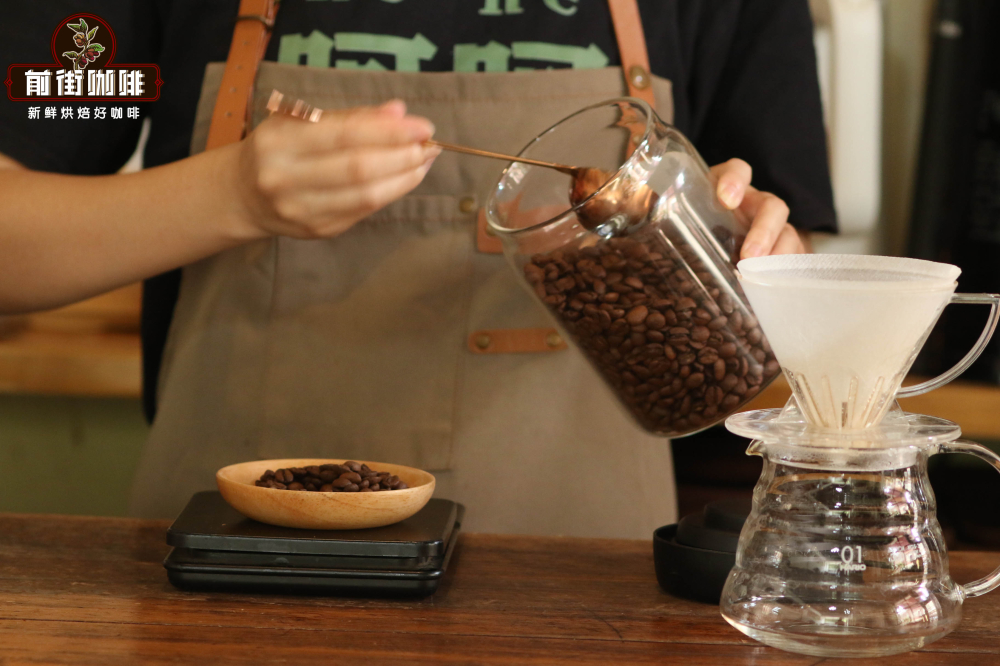
Here’s a useful tip: if you’re using whole beans and own a grinder, it’s best to grind them right before brewing. This preserves the coffee’s original flavors to the greatest extent and allows you to adjust grind size according to your brewing method, further improving extraction. Once ground, coffee oxidizes much faster, and flavor loss accelerates—so it’s recommended to use freshly ground coffee within a few days to enjoy its optimal taste.
If you have limited storage space or want to preserve your coffee more effectively, consider using professional vacuum-sealed bags or coffee storage containers equipped with one-way valves. Vacuum sealing significantly reduces exposure to oxygen and moisture, extending shelf life—especially suitable for bulk purchases or long-term storage. Additionally, store your coffee away from direct sunlight and high temperatures; the back of a cabinet or inside a drawer are usually good choices.
The above content is compiled by CoffeeHunters, a coffee news website.


