








Introduction:Hawaiian Kona coffee is as renowned as Jamaican Blue Mountain, representing one of the few high-quality coffees produced in the United States. This article delves into the growing environment, main varieties, washed processing methods of Kona coffee, and explores the impact of this year’s leaf rust disease on production. It also provides practical three-stage pour over parameters to help you fully highlight its nutty profile and spicy aroma — an in-depth guide not to be missed by coffee enthusiasts.
When it comes to coffee produced in the United States, many may only think of mass-market commercial beans. However, Hawaiian Kona coffee is an exception. This specialty coffee, which stands alongside Jamaican Blue Mountain, owes its unique charm to volcanic soil, moderate altitude, and meticulous cultivation management. It boasts a flavor profile dominated by nuttiness, with clean acidity and well-balanced layers.
Although Hawaii is famous for tourism, its coffee industry is relatively niche. Many consumers mistakenly believe that the U.S. does not produce coffee, but the real reason lies in geographical and climatic limitations. Aside from Hawaii, most parts of the U.S. are unsuitable for growing Arabica varieties. Thanks to its unique volcanic terrain and warm, humid maritime climate, Hawaii provides the foundational conditions for Kona coffee’s distinctive flavor.
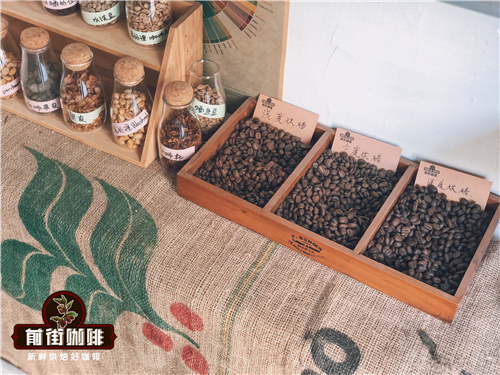
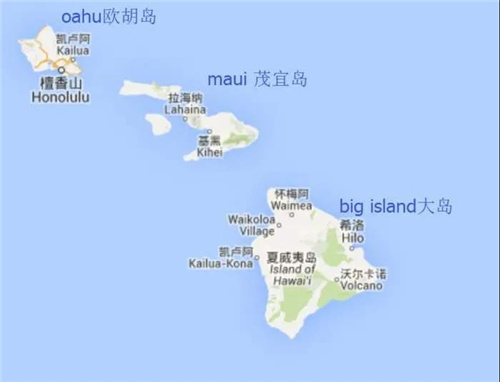
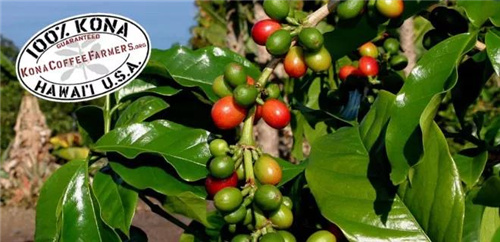
Kona coffee is primarily grown on the volcanic slopes of Hawaii’s Big Island. Local farmers often choose traditional and stable Arabica varieties such as Typica and Catuai. These varieties, cultivated in fertile volcanic soil, at moderate altitudes (around 450 to 800 meters), and with careful field management, yield high-quality beans that are plump and round. This is also a key reason why Kona coffee can present bright acidity and rich aromas.
Although the altitude of the Kona region is not as high as some well-known regions in Central and South America or Africa, its cupping performance often surprises. Its flavor profile centers around nuttiness, often accompanied by soft fruit acidity and delicate sweetness. This allows it to stand out among low-altitude coffees, even rivaling Jamaican Blue Mountain.
It’s worth mentioning that Kona coffee is often regarded as one of the most beautiful-looking beans. This is thanks to the abundant sunlight and even rainfall provided by the volcanic slopes, along with the farmers’ careful water and fertilizer management, resulting in uniformly ripe fruits, plump beans, and consistent, glossy coloration — making it a highly recognizable product in the specialty coffee market.
In terms of processing, Kona coffee generally employs the washed method. This process begins with the removal of the skin and pulp of ripe red cherries, followed by fermenting the mucilage-covered beans in water tanks to break down and remove the parchment layer. Finally, the cleaned beans are evenly spread on drying beds under the sun until they reach an optimal moisture content for storage. Notably, the Kona region uses clean mountain spring water from local volcanoes, which not only helps preserve the beans’ original flavors but also imparts a unique hint of sweetness.
However, this year the Hawaiian coffee industry faces a major challenge. According to foreign media reports, traces of leaf rust disease were first discovered in the Hawaiian region in mid-October. This fungus-induced disease attacks coffee tree leaves, weakening their photosynthetic ability, and if not controlled promptly, can lead to gradual plant decline or even death. More challenging is the fact that leaf rust spreads quickly via wind, and once it breaks out, it may cause widespread infection.
Historically, West Java in Indonesia faced a crisis nearly a century ago when leaf rust nearly wiped out its Arabica varieties. Therefore, if the outbreak in Hawaii is not effectively contained, it will not only affect this year’s production but could also have far-reaching impacts on the coffee supply chain for years to come. Current market feedback indicates that due to reduced yields, Kona coffee prices have shown a clear upward trend, gradually approaching the price level of Jamaican Blue Mountain.
For coffee enthusiasts, understanding how to brew Kona coffee correctly is an essential step in appreciating its unique flavors. The author recommends using the three-stage pour over method with a KONO filter, with water temperature controlled between 89 to 90 degrees Celsius. Specifically, it’s advised to pour water slowly and steadily, with each pour not exceeding 225 grams, and total brewing time kept within approximately two minutes. Such parameters help fully bring out Kona coffee’s nutty aroma and delicate acidity, while avoiding over-extraction that could lead to bitterness.
Successfully brewed Kona coffee typically emits a gentle berry sweetness and spicy notes. Upon tasting, it presents bright acidity without being harsh, with a lingering aftertaste of sustained sweetness and woody tones. This balanced and layered flavor profile is one of the reasons Kona coffee is highly regarded in the specialty coffee market. Whether for everyday drinking or deeper appreciation, Kona coffee offers an unforgettable taste experience.
The above content is compiled by CoffeeHunters, a coffee news website.


