








Introduction:Both macchiato and latte are classic espresso-based drinks, yet they are often confused. This article delves into their origins, recipe differences, and how milk influences the flavor of coffee. It explains why macchiato is a small cup of concentrated brew and how latte evolved from a traditional European drink to the modern milk coffee we know today. Through practical comparisons, it helps coffee enthusiasts choose their preferred flavor with greater precision.
Macchiato and caramel macchiato differ by just two characters, but are often mistakenly thought to be simply distinguished by the presence or absence of caramel. In reality, macchiato is a small, strongly flavored coffee, completely different from the sweet and heavy caramel macchiato. Many customers misunderstand the order due to the similar names, only to realize when it arrives that it’s not the large, sweet drink they expected.
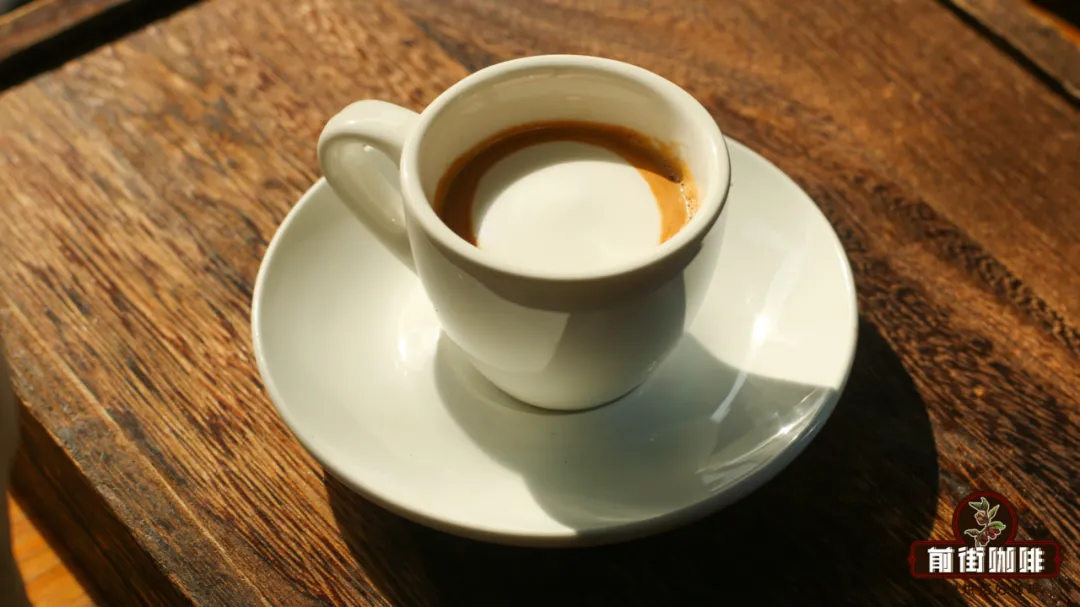
The origin of the macchiato actually stems from the historical context when coffee used to be overly bitter. At that time, due to limited coffee bean quality and the widespread use of very dark roasts, the extracted espresso had an extremely strong bitterness that most people found hard to accept. To soften this bitterness, baristas began adding a small amount of milk to the espresso—not only to reduce the harshness but also to make the taste smoother. However, the addition of just a little milk made almost no visual difference, so in busy cafés, baristas would top it with a small dot of fine milk foam as an identifying mark.
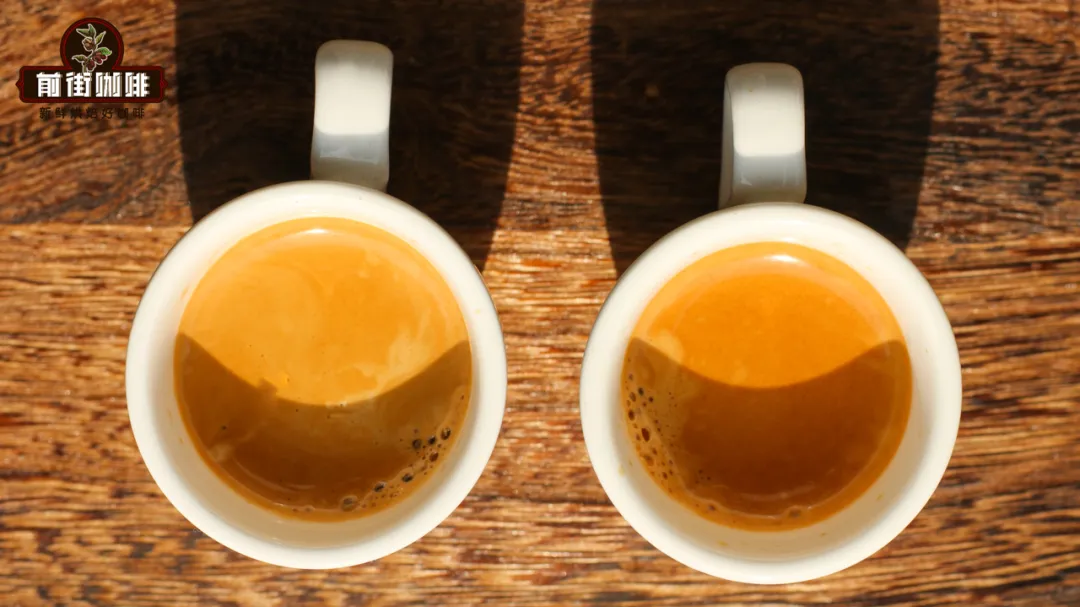
As for the latte (Caffè Latte), it is a well-known representative of Italian milk coffee. Although its detailed origins are difficult to trace, it is certain that as early as the 17th century in Europe, there were methods of adding milk to coffee. The practices back then were primitive, typically involving boiling a whole pot of coffee and filtering it through a cloth bag, or using old-style moka pots for extraction. With the popularization of espresso machines, the steam wand became a standard tool for making milk coffee. Baristas could easily heat and froth the milk, gradually shaping the modern latte, which gained global popularity thanks to latte art.
'Latte' means 'milk' in Italian, so it's clear that milk is the star of Caffè Latte. Compared to other milk coffees, the latte has the highest proportion of milk—typically using a double shot of espresso (about 40 grams) as the base, paired with about 240 milliliters of fresh milk. It has a noticeable sweetness and a mild taste. Moreover, the latte has good flavor compatibility and can be customized with various additions such as vanilla or caramel according to personal preference, adding layers of complexity.
So, what’s the difference between macchiato and caramel macchiato? Simply put, a traditional macchiato is a shot of espresso topped with a small amount of milk foam to distinguish it from the milk-added version; whereas a caramel macchiato is a sweet milk coffee built by layering steamed milk, vanilla syrup, and caramel sauce, with the espresso added last. Though they share the name 'macchiato,' they are entirely different types of coffee.
By understanding the evolution and recipe differences of these classic coffees, you can not only avoid ordering mistakes but also better appreciate the craftsmanship and unique flavor characteristics behind each drink. Whether you prefer the intense purity of a macchiato or the smooth sweetness of a latte, you can make a more accurate choice based on your personal taste.

The above content is compiled by CoffeeHunters, a coffee news website.


