







Introduction:Faced with the dazzling array of specialty coffee options on the market, how do you choose the pour over beans that truly suit you? This article starts with the definition of specialty coffee, explores the difference between single-origin and specialty coffee, and takes an in-depth look at the representative beans from ten classic global producing regions—including Ethiopia Yirgacheffe, Costa Rica honey processed, Indonesia Mandheling, Brazil, and Jamaica Blue Mountain—detailing each region’s unique flavor characteristics and optimal brewing parameters to help you find your ideal coffee experience.
In today’s world where specialty coffee is becoming increasingly popular, many coffee enthusiasts often face a common dilemma: with so many brands and bean varieties, how do you choose the best pour over coffee beans? To answer this question, it’s first necessary to understand what specialty coffee is. This concept was first introduced by Erna Knutsen, known as the “mother of specialty coffee,” in a 1974 issue of the Tea & Coffee Trade Journal, aiming to distinguish high-quality coffee beans with unique regional flavors from ordinary commercial beans. Later, the Specialty Coffee Association of America (SCAA) was established in 1982, and in 2009, it formally defined coffee scoring 80 points or higher in cupping as specialty coffee.
Single-origin coffee ≠ Specialty coffeeThe former simply means the beans come from a single origin and have traceable sourcing, while specialty coffee emphasizes the impact of the growing environment (such as altitude, climate, and soil) on the coffee’s flavor, as well as the unique taste and aroma it ultimately presents. Therefore, when purchasing, it’s important not only to check if it’s a single-origin bean but also to confirm whether it meets specialty grade standards.
Many consumers, when selecting coffee beans, often directly ask, “Which brand’s specialty coffee beans are suitable for pour over?” In fact, rather than fixating on the brand, it’s better to deeply understand the classic flavors of each producing region and identify the beans that best match your personal taste. Currently, popular specialty coffee producing regions on the market include Ethiopia’s Yirgacheffe, Costa Rica’s honey processed beans, Indonesia’s Mandheling, Brazil’s nutty-toned beans, and Jamaica Blue Mountain—each with its own irreplaceable flavor characteristics.
Take Ethiopia’s Yirgacheffe as an example. This is an administrative region within the Sidamo province, and because the coffee from this area has extremely high terroir recognizability, it has been designated as a separate producing region. The Yirgacheffe Coffee Farmers Cooperative Union, established locally, includes 28 cooperatives and over 45,100 farmers, producing a variety of beans with distinct flavors. Common flavor notes include citrus, berries, floral, and fermentation layers, making it very suitable for pour over beginners to try.
Within the Yirgacheffe series, the Natural Red Cherry is an extremely representative bean variety. These beans are part of the Red Cherry Project initiated by Dutch trader Trabocca, using only 100% ripe red cherries, handpicked and meticulously processed, resulting in bright citrus tones and berry aromas, accompanied by subtle fermented fruit notes, with vibrant acidity and rich layers. Another Yirgacheffe variety, Guji Dingding, comes from the Guji region and uses traditional processing methods, offering a clean taste with unique regional characteristics. Meanwhile, Yirgacheffe Guji is known for its lemony acidity, jasmine floral notes, and black tea finish, with a gentle and lasting sweetness.
For consumers who prefer sweetness and a full-bodied mouthfeel, Costa Rica’s honey processed beans are an unmissable choice. The honey processing method removes the skin and pulp but retains some mucilage for sun drying, allowing sugars to fully convert and resulting in a rounder sweetness and lower acidity. For example, a certain brand’s Costa Rica Blackberry, from the Tarrazú region, features flavors of blueberries, grapes, and other berries, with a finish as rich as blackcurrant juice, beloved by fruit flavor enthusiasts. Meanwhile, the Musician Series’ Mozart showcases complex floral notes and raisin tones, with balanced berry aromas, perfect for advanced enthusiasts to savor.

If you prefer traditional, bold, and full-bodied coffee flavors, Indonesia’s Mandheling and Brazilian coffee are two classic options. Among them, PWN Golden Mandheling is the standout among Mandhelings—only beans purchased by the PWN company can bear this name. Its characteristics include pronounced herbal notes, prominent caramel sweetness, steady and elegant acidity, a full-bodied mouthfeel, and layered spice notes. It is recommended to roast to just before the second crack to preserve optimal clarity and sweetness. To verify authenticity, you can ask the seller for the PWN logo and factory certificate.
In comparison, Brazilian coffee beans do not have obvious herbal notes but instead showcase more nutty, chocolatey, and low-acidity qualities, with a mild and balanced mouthfeel, suitable for drinkers who enjoy stable flavors and pairing with milk. Even as it cools, subtle changes in acidity can still be felt, adding layers to the drinking experience.
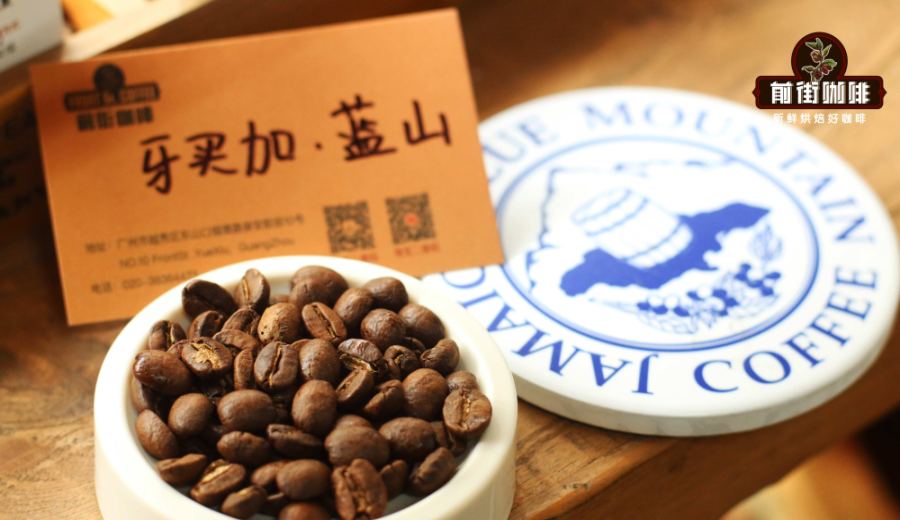
Finally, if you’re pursuing the “aristocratic” coffee experience, Jamaica Blue Mountain coffee is undoubtedly the classic of classics. A certain brand’s Blue Mountain No. 1, from the Clifton Estate, offers a balanced sweet, sour, and bitter profile with elegant and delicate flavors, though it comes at a higher price (about 198 RMB per 100 grams). For budget-conscious consumers who still want to try similar flavors, consider Papua New Guinea’s Paradise Bird coffee beans, often referred to as the “little Blue Mountain.” Also of the Typica variety, it has slightly higher acidity but a full and rich body, offering outstanding value for money (about 88 RMB per 227 grams).

In summary, selecting specialty pour over coffee beans is not just about the brand but involves considering the producing region, processing method, roast level, and your personal taste preferences. Whether it’s the bright and fresh Yirgacheffe, the sweet and full-bodied Costa Rica honey processed, or the bold and deep Mandheling and Blue Mountain, each bean represents the terroir characteristics of its region. We hope this guide helps you gain a clearer understanding of the unique charm of coffee from each region and find your own perfect cup of pour over.
The above content is compiled by CoffeeHunters, a coffee news website.


