







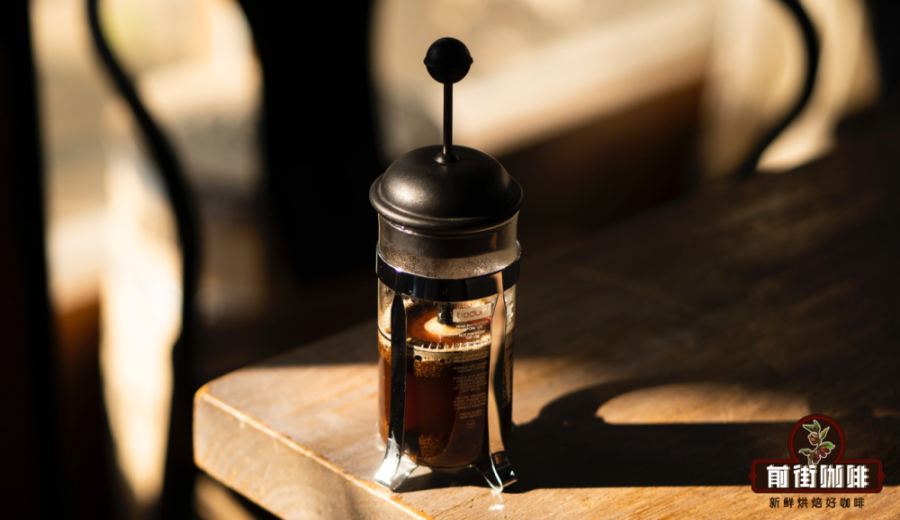
Introduction:Brewing Jamaican Blue Mountain coffee using a French press is actually a simple yet effective method to showcase its delicate flavors. By mastering the right grind size, water temperature, and steeping time, you can consistently extract the signature sweet and rich characteristics of Blue Mountain coffee. This article starts with an overview of the Blue Mountain coffee region and its grading system, helping you understand what true Blue Mountain beans are. It then provides a detailed breakdown of French press brewing steps and key parameters, and finally compares flavor differences between pour over, French press, and AeroPress, helping you easily brew a balanced and smooth cup of Blue Mountain coffee at home.
Want to enjoy the authentic flavors of the Jamaican Blue Mountain region using the simplest equipment? A French press is a great choice. It’s easy to use, doesn’t require paper filters, and is simple to clean—perfect for daily use. However, if you want to brew a cup of Blue Mountain coffee with pronounced sweetness and a smooth mouthfeel, there are still several key factors to pay attention to, including grind size, water temperature, coffee-to-water ratio, and steeping time. This article will start with the basics of Blue Mountain coffee and gradually guide you through how to brew it with a French press to achieve a professional-level result, while also comparing its flavor profile to that of pour over and AeroPress methods.
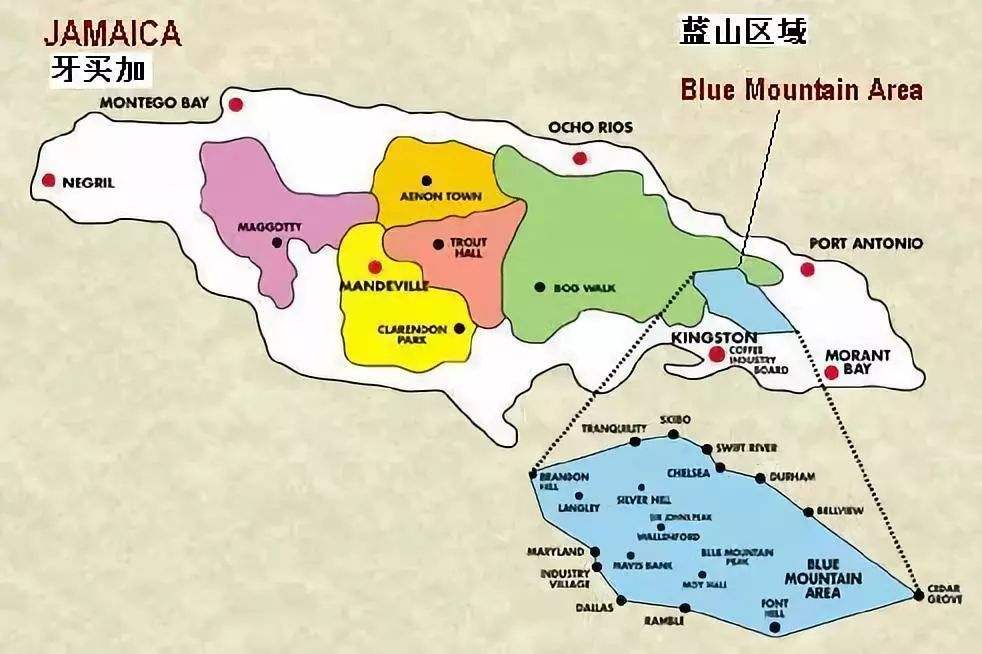
So-called authentic Blue Mountain coffee refers to the officially certified Typica variety coffee beans grown in the Blue Mountains of Jamaica—not the common “Blue Mountain flavor” blends or flavored coffee products found on the market. The Blue Mountain region is located in eastern Jamaica and features a volcanic terrain. The soil, enriched by earthquakes and volcanic activity, is rich in minerals. Coupled with altitudes generally exceeding 900 meters, the area enjoys a cool climate with abundant rainfall and significant day-night temperature variations. These conditions facilitate slow maturation of the coffee cherries, allowing them to accumulate rich flavor compounds, ultimately creating the distinctive richness and sweetness of Blue Mountain coffee.
Since 1948, the Jamaican government has established the Coffee Industry Board (CIB) to oversee the production and quality of Blue Mountain coffee and to set a strict grading system. According to the Coffee Industry Regulation Act, only Typica variety coffee planted within the four administrative regions of Saint Andrew, Saint Thomas, Portland, and Saint Mary, at elevations between 910 and 1700 meters, qualifies to be called “Jamaica Blue Mountain coffee.” These four regions account for only one-third of the total Blue Mountain planting area, making truly compliant Blue Mountain coffee extremely rare—with less than 15% of coffee sold with the authentic Blue Mountain label meeting these standards.
In terms of green bean grading, the CIB classifies Blue Mountain coffee into four grades based on bean size and defect rate: NO.1, NO.2, NO.3, and Peaberry. Among these, NO.1 is the highest grade, requiring bean size between 17–18 mesh, a defect rate below 3%, and uniformly plump and consistent beans. The well-known Blue Mountain No.1 used by reputable suppliers in the region falls into this grade, delivering the most outstanding flavor performance. In addition, Jamaican Blue Mountain coffee is stored in wooden barrels before export, which helps maintain the beans’ freshness and original flavor—a distinctive feature that sets it apart from coffees of other origins.

When brewing Blue Mountain coffee with a French press, it’s recommended to use a medium grind—slightly coarser than pour over but not too coarse—to ensure even extraction. Grinding too fine can lead to over-extraction, resulting in bitterness and a gritty mouthfeel, while grinding too coarse may under-extract, leading to weak flavors. Try to keep the grind particles uniform to avoid fine particles releasing substances too early, which can cause uneven extraction.
For water temperature, it’s advised to keep it around 88°C. This temperature adequately highlights the aroma and sweetness of Blue Mountain coffee while avoiding the over-extraction and sharp acidity caused by excessively high temperatures. The coffee-to-water ratio can be set between 1:10 and 1:13, adjustable according to personal taste. During brewing, pour hot water into the French press and gently stir to ensure even contact between the coffee grounds and water, which helps improve extraction efficiency.
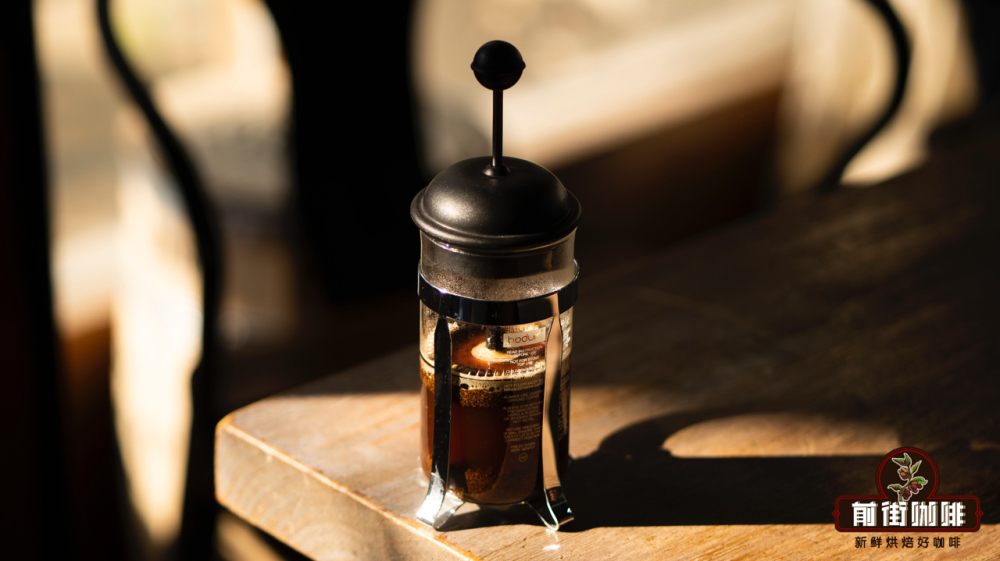
Next, put the lid on the French press but keep the plunger at the top. Let it steep for about 4 minutes. This allows the coffee grounds to fully soak in the water, achieving balanced extraction. After the time is up, you can open the lid, use a spoon to remove any floating coffee foam and fine particles, then slowly press the plunger down to the bottom. Finally, it’s recommended to immediately pour the coffee liquid into another insulated container to avoid over-steeping, which could affect the flavor, and then serve it in a cup.
The French press is an immersion-style brewing tool. Its extraction process starts off relatively fast and then gradually slows down, allowing the coffee grounds to evenly release their flavors and reducing the risk of over-extraction or under-extraction in any single stage. The metal filter characteristic retains the coffee’s natural oils, giving the brew a smoother mouthfeel while also increasing body and a caramel-like sweetness.
Compared to pour over or AeroPress, Blue Mountain coffee brewed with a French press often exhibits more pronounced caramel and dark chocolate notes, along with soft fruity acidity and rich body. Overall, the flavor profile is rounder and more layered. For coffee lovers who enjoy a full-bodied, well-balanced cup, the French press is a practical tool worth trying—it can also help you easily recreate a professional-level Blue Mountain coffee experience at home.
The above content is compiled by CoffeeHunters, a coffee news website.


